Local Tips
Most places accept Euro, but it is recommendable to pay in the local currency (ALL) because the conversion rates given by the businesses when paying with euros may be higher.
Google Maps works well for navigation and bus routes
Peak traffic hours are usually 08:00–09:30 and 16:30–18:30
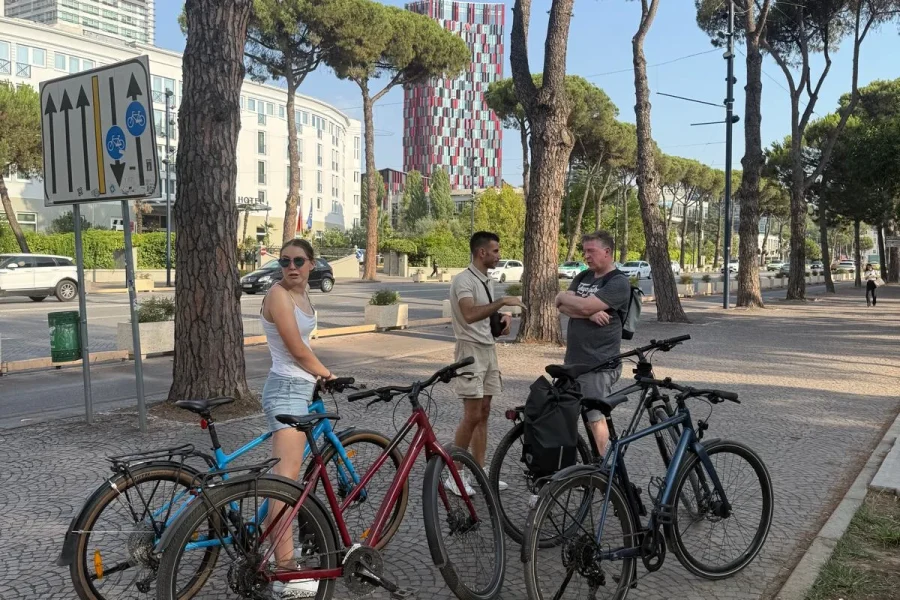
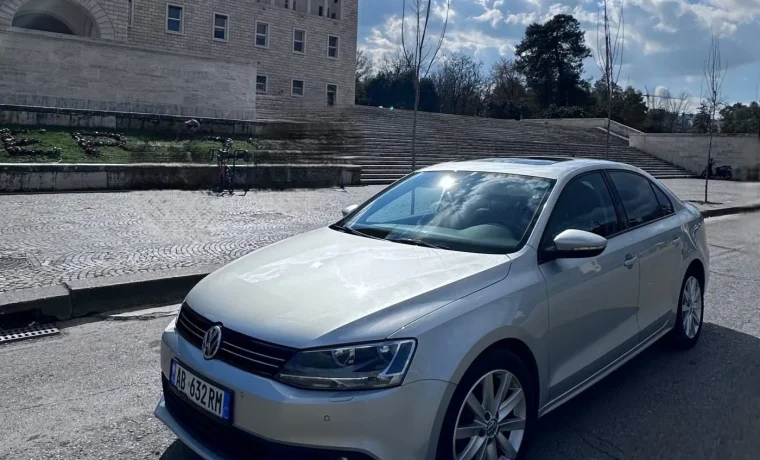
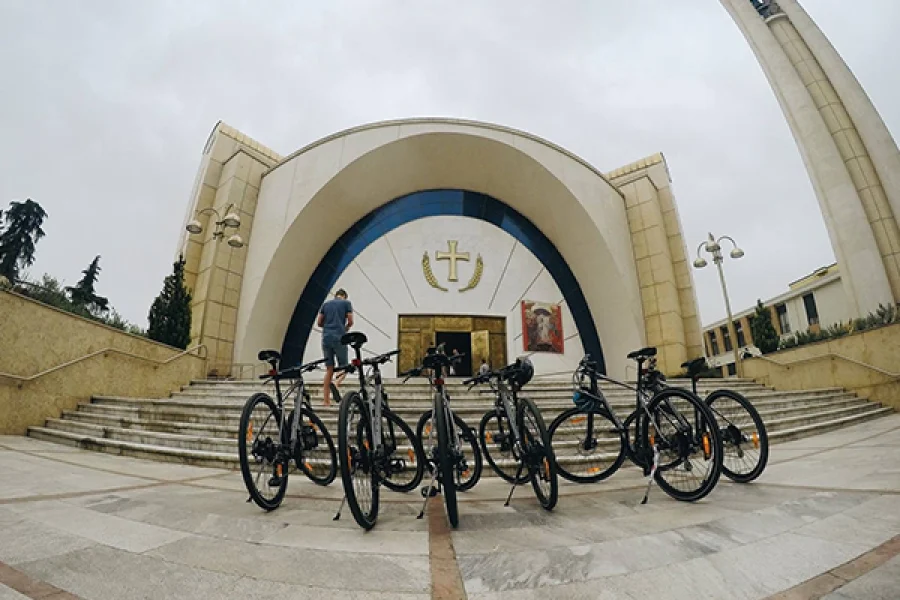
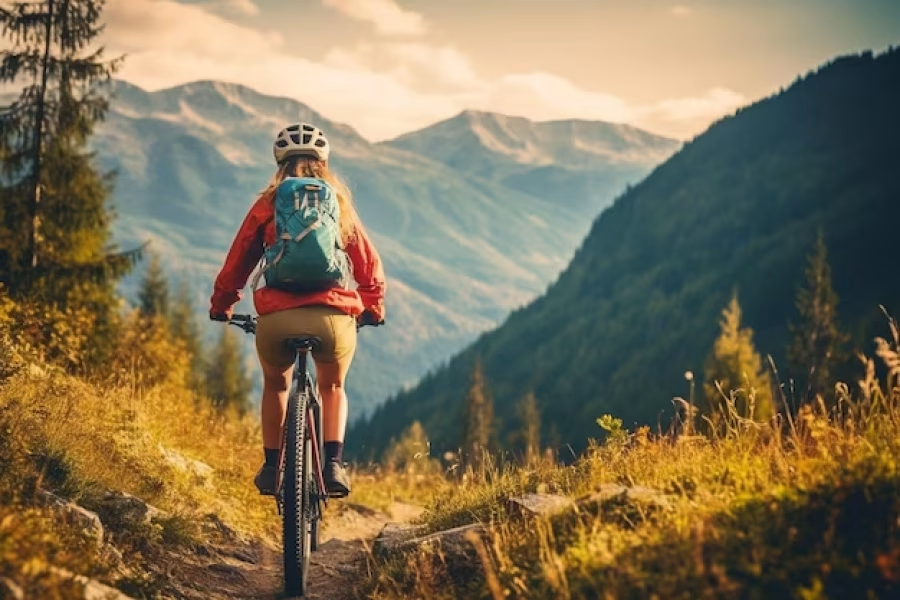
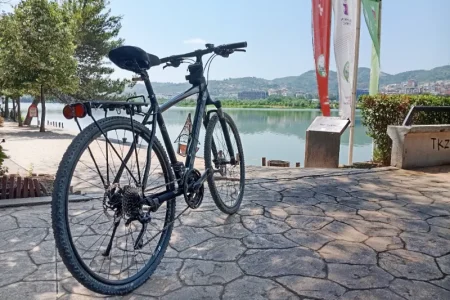
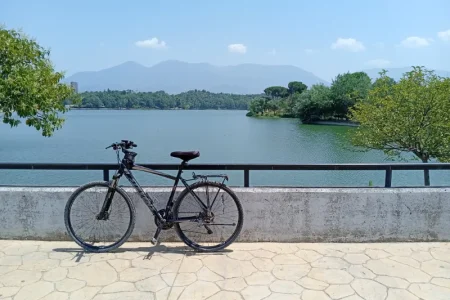
Walking or biking are the best alternatives we recommend for getting around. A car is the best alternative only for trips to go outside Tirana.
Top Attractions inside Tirana
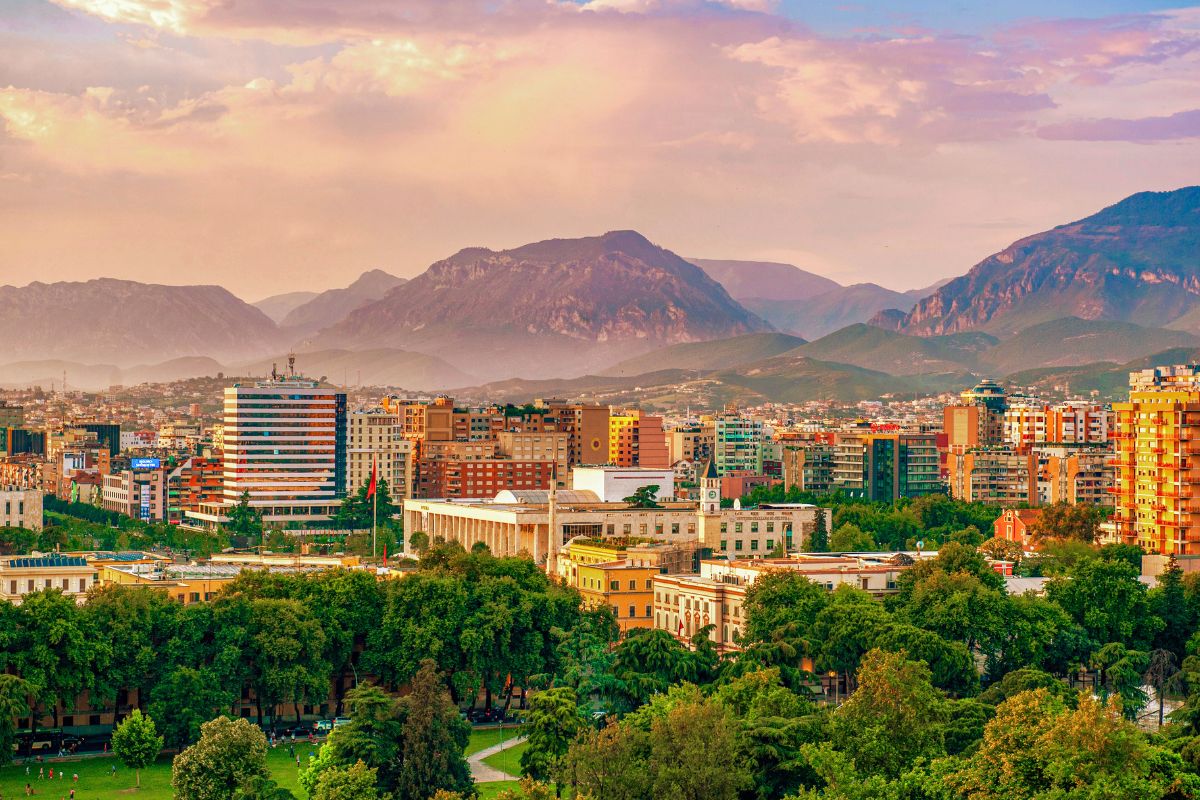
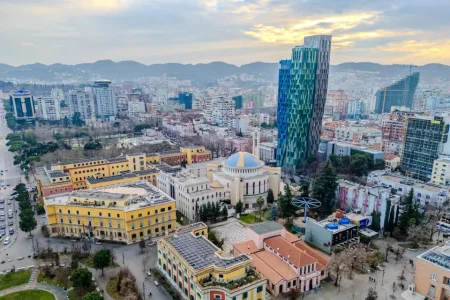
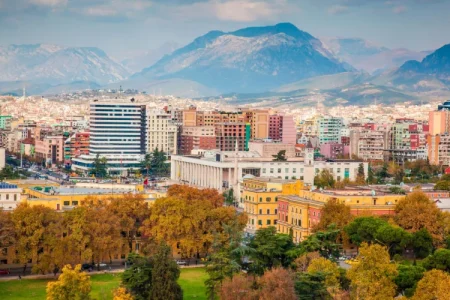
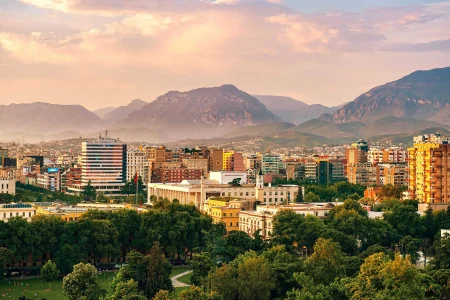
Tirana County attractions offer a blend of historical, cultural, and natural highlights, making it one of Albania’s most dynamic destinations. Whether you’re exploring the capital city or venturing into surrounding landscapes, the county presents a variety of experiences for travelers.
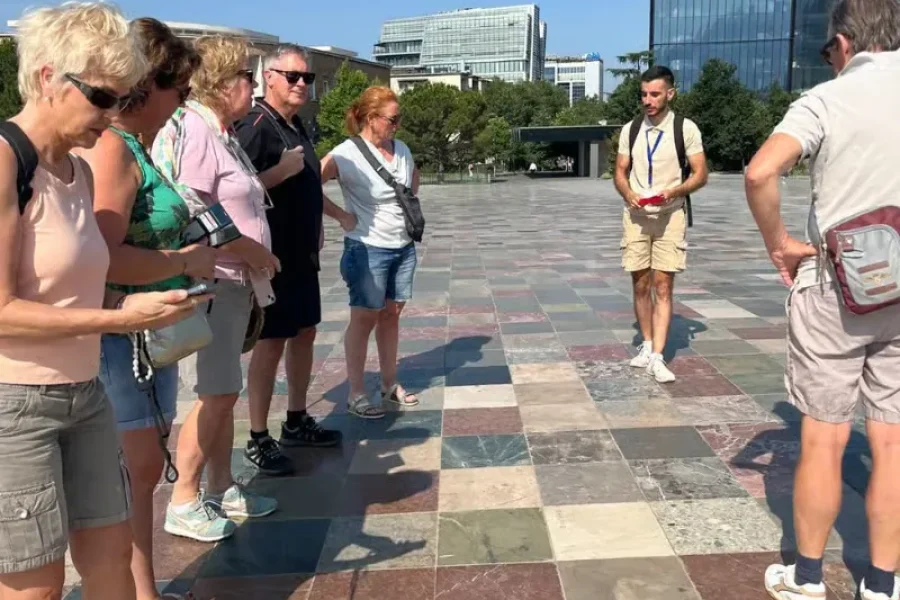
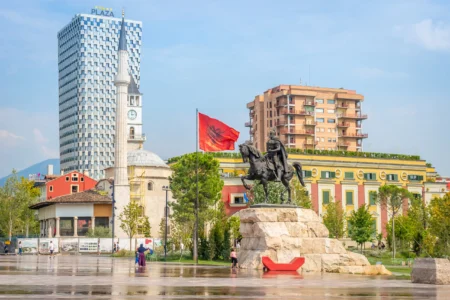
Skanderbeg Square Tirana
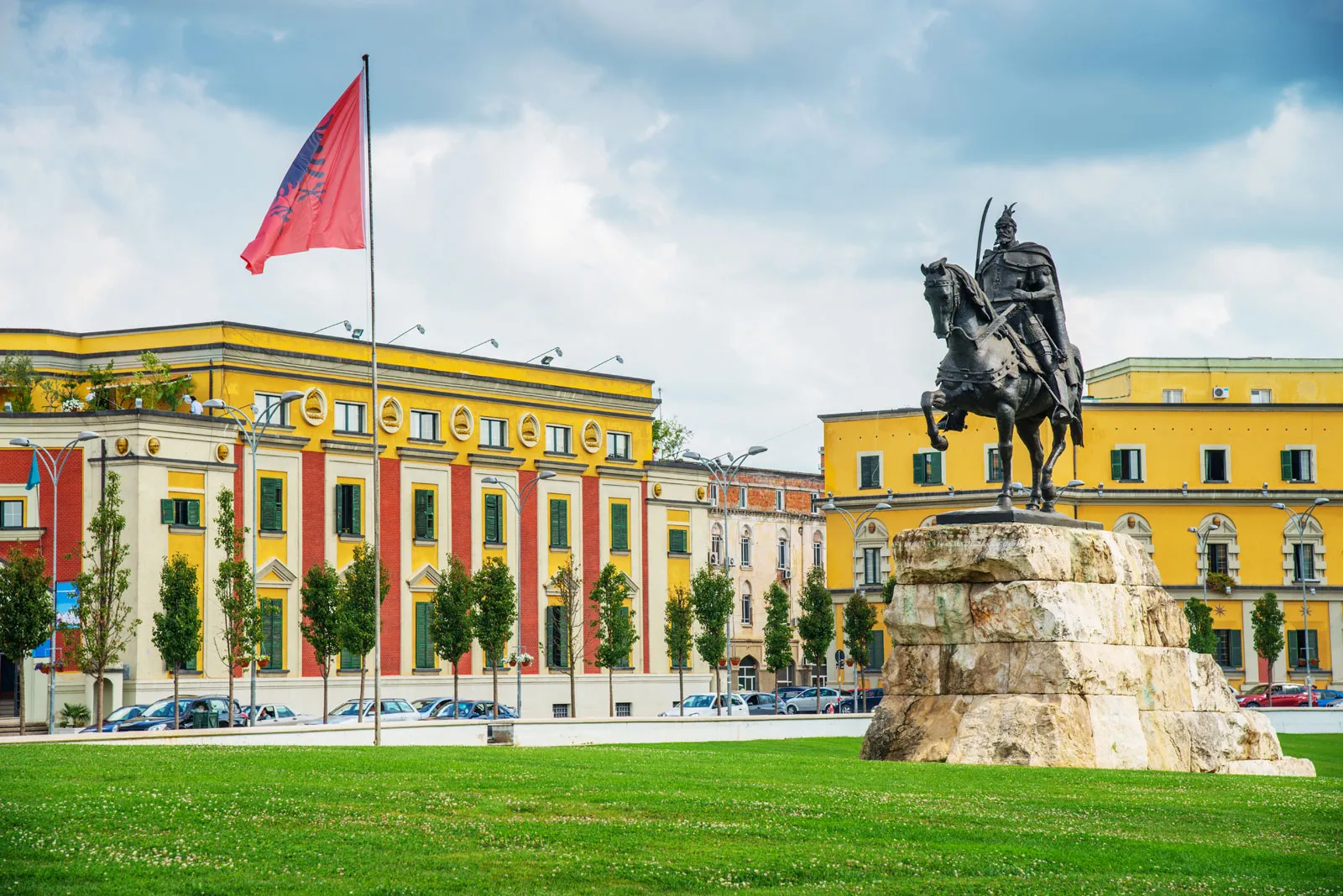
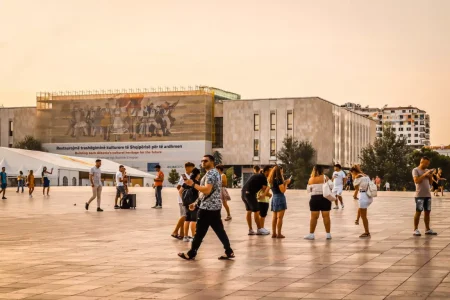
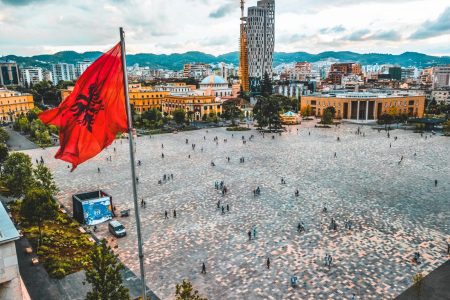
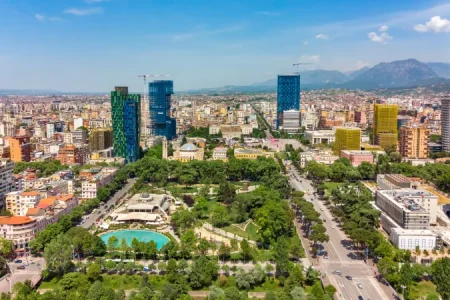
At the heart of Tirana lies Skanderbeg Square, the city’s central hub and a symbol of Albania’s rich history. The square is surrounded by landmarks such as the National Historical Museum, the Et’hem Bey Mosque, and the Palace of Culture. Visitors can enjoy walking tours, photography opportunities, and seasonal events such as festivals and outdoor concerts. Skanderbeg Square is easily accessible and serves as the starting point for exploring the broader Tirana area.
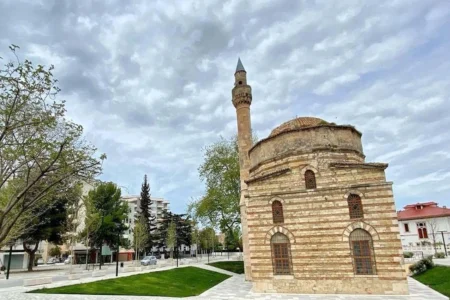
Et’hem Bey Mosque
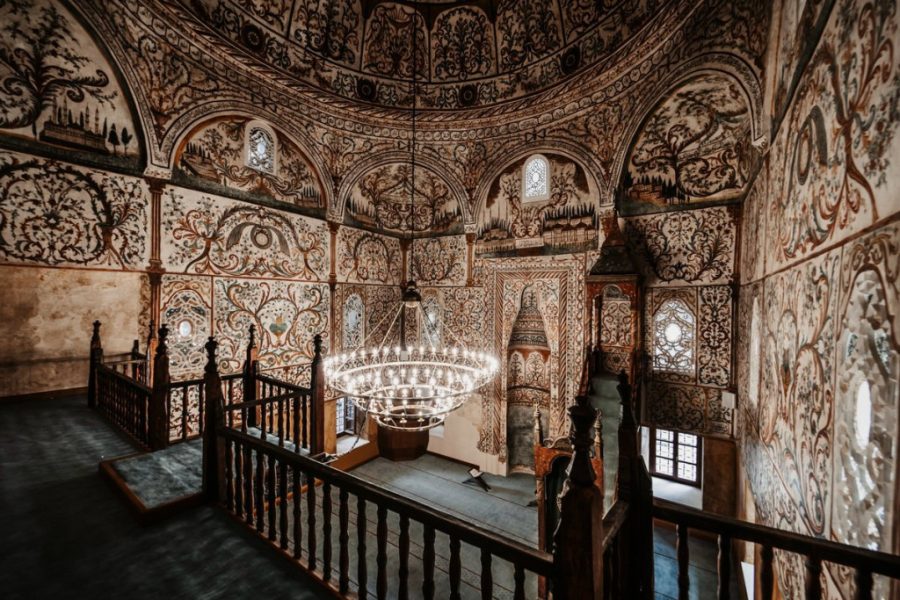
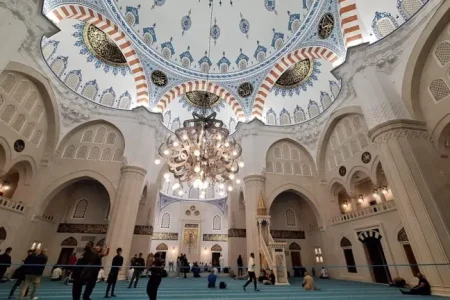
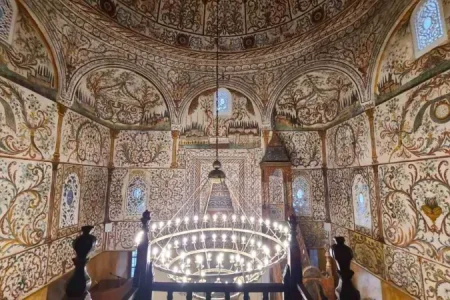
Situated in Skanderbeg Square, Et’hem Bey Mosque is one of Tirana’s most important cultural and religious landmarks. Built in the late 18th and early 19th centuries, the mosque is renowned for its beautiful frescoes and detailed interior decorations, which are rare in Islamic architecture. It remained open even during Albania’s period of state atheism, making it a strong symbol of faith and resilience. Visitors can admire its architecture, learn about its history, and enjoy the peaceful atmosphere in the very center of the city.
Tirana’s Clock Tower
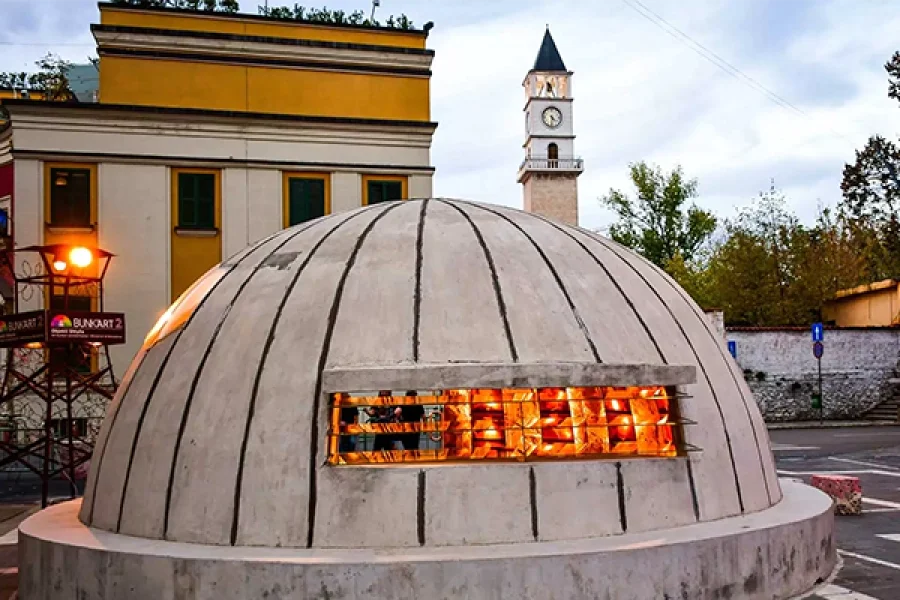
Standing proudly in Skanderbeg Square, Tirana’s Clock Tower is one of the city’s most recognizable landmarks. Built in the early 19th century, it has long served as a symbol of Tirana’s growth and history. Visitors can climb the tower for panoramic views of the square and the surrounding city, making it a popular spot for photography and sightseeing. Its central location makes the Clock Tower an essential stop while exploring Tirana on foot.
Resurrection of Christ Orthodox Cathedral
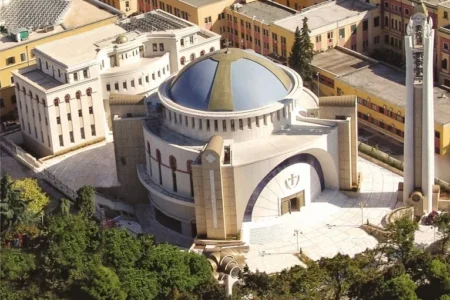
Located near the center of Tirana, the Resurrection of Christ Orthodox Cathedral is one of the largest Orthodox cathedrals in the Balkans. Completed in the early 21st century, it symbolizes the revival of religious freedom in Albania after decades of atheism. The cathedral stands out for its impressive modern architecture, grand dome, and richly decorated interior. Visitors can explore the cathedral, attend services, or simply enjoy the calm atmosphere, making it an important spiritual and cultural stop while discovering Tirana.
The Pyramid of Tirana
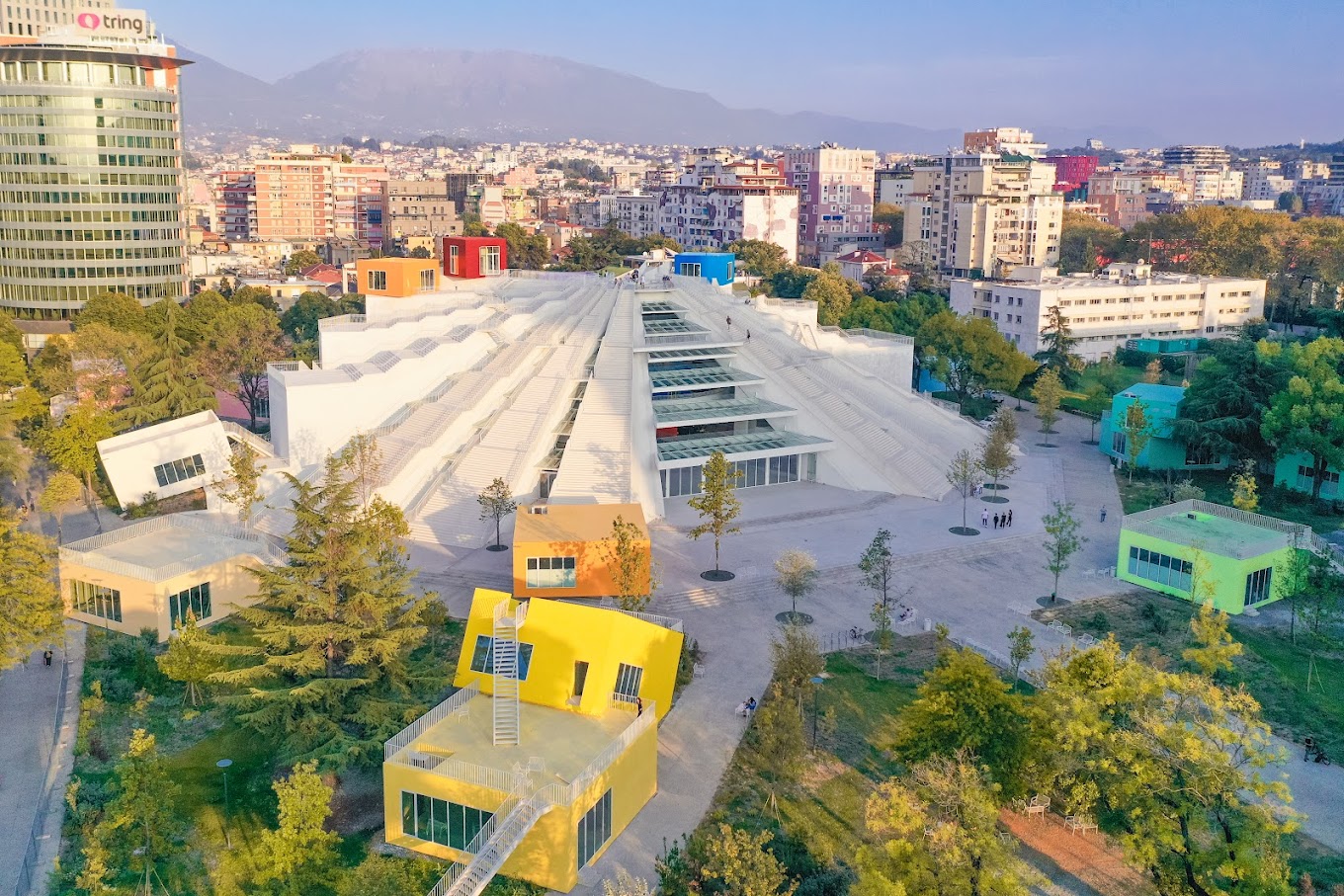
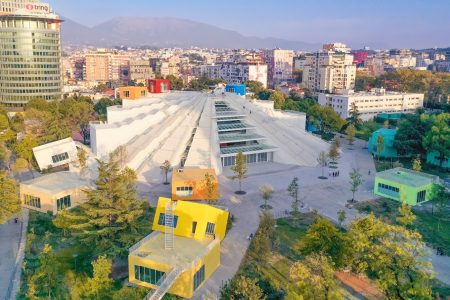
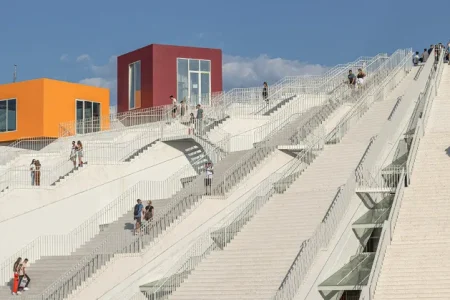
Near the center of Tirana stands the Pyramid of Tirana, one of the city’s most distinctive and symbolic landmarks. Originally built during the communist era, the pyramid reflects an important chapter of Albania’s recent history and has since evolved into a multifunctional cultural space. Its striking architectural form makes it a popular spot for photography, while the surrounding area attracts locals and visitors alike. Today, the Pyramid hosts exhibitions, events, and creative activities, and its location makes it an easy stop when exploring central Tirana on foot.
Postbllok – Checkpoint Memorial
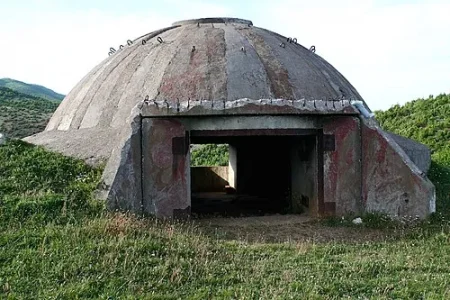
Located along Tirana’s main boulevard, Postbllok – Checkpoint Memorial is a powerful reminder of Albania’s communist past. The memorial features symbolic elements such as a section of the Berlin Wall, a concrete bunker, and the pillars of a former labor camp, representing oppression and the country’s journey toward freedom. Visitors often stop here to reflect, take photographs, and learn about this important period in Albanian history. Its central location makes Postbllok an easy and meaningful stop while exploring Tirana on foot.
Enver Hoxha’s Former Residence
Located in the Blloku district, Enver Hoxha’s former residence offers a glimpse into Albania’s communist-era leadership and the isolation in which it operated. Once part of a strictly restricted area, the building symbolizes the contrast between the privileges of the regime and the lives of ordinary citizens. Although the residence itself is not open to the public, it remains a point of interest for visitors exploring Blloku and learning about Albania’s recent history. The surrounding neighborhood today is one of Tirana’s most vibrant areas, filled with cafés, restaurants, and nightlife.
Tirana Lake Park
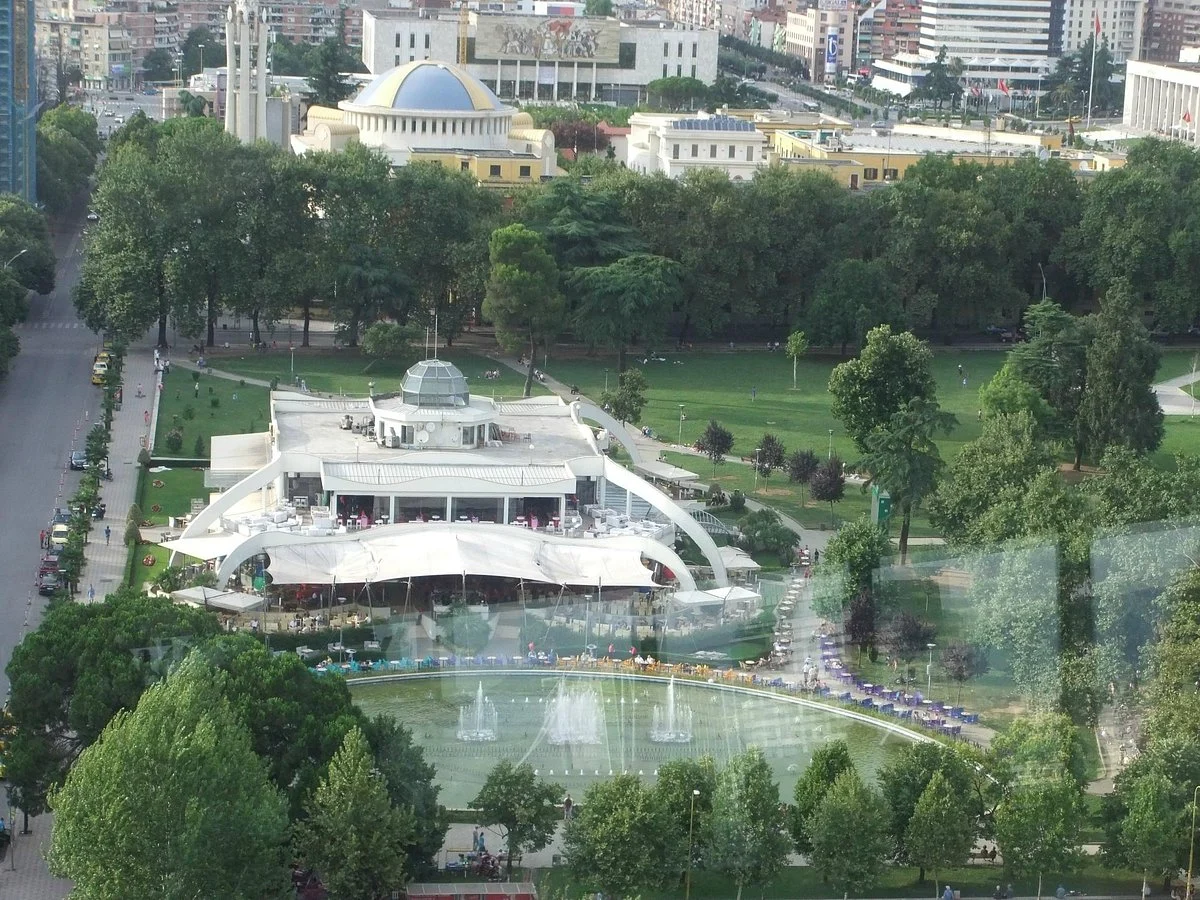
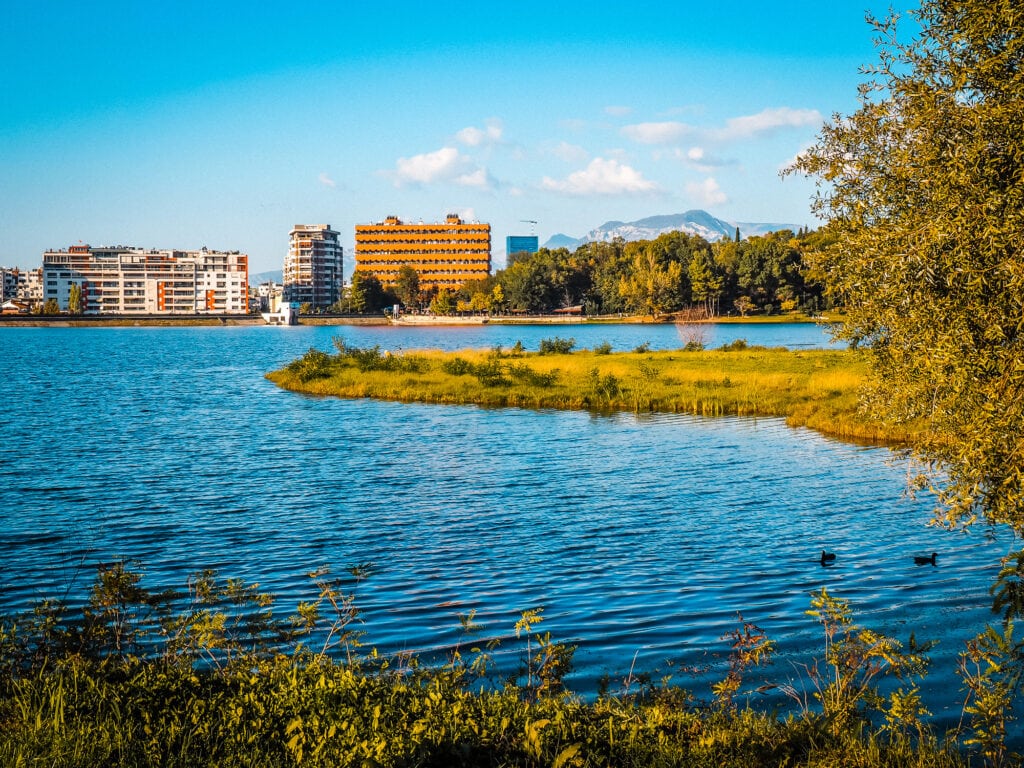
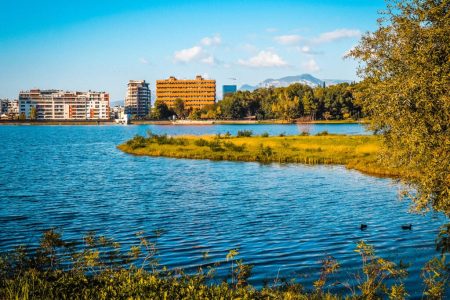
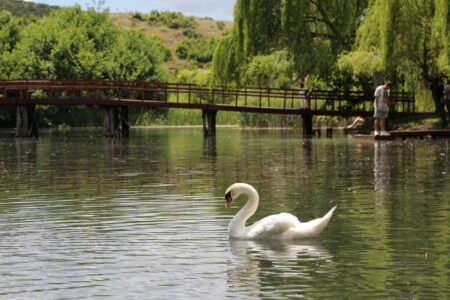
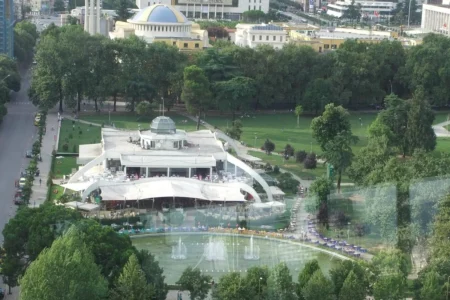
Tirana Lake Park, located in the heart of Albania’s capital, is a serene urban oasis offering a perfect escape from city life. This expansive park surrounds an artificial lake, providing picturesque walking paths, cycling routes, and spots for picnics. Visitors enjoy lush greenery, playgrounds, and cafes, making it ideal for families and nature lovers. The park hosts cultural events and outdoor activities year-round, blending relaxation with vibrant local life in Tirana.
Air Albania Stadium
Located in the southern part of Tirana, Air Albania Stadium is the city’s premier sports and event venue. Opened in 2019, it hosts football matches, concerts, and large-scale events, making it a hub for both sports fans and culture seekers. Visitors can attend games, explore the surrounding area, or admire the stadium’s modern architecture. Easily accessible from the city center, Air Albania Stadium is a dynamic destination for experiencing contemporary life in Tirana.
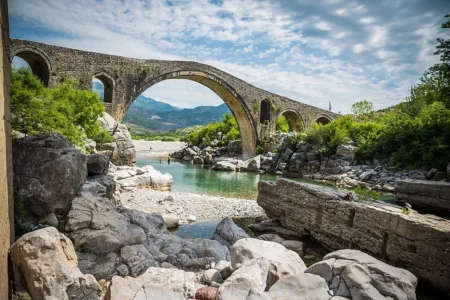
Tanners’ Bridge
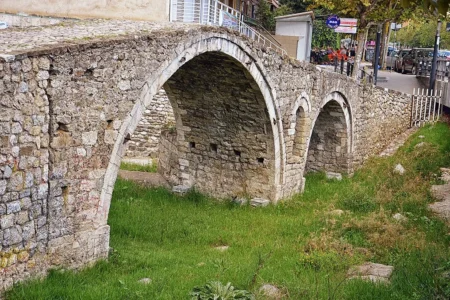
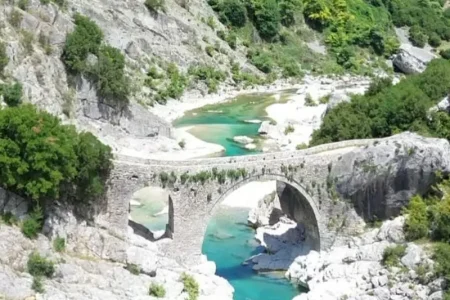
Situated on the outskirts of central Tirana, Tanners’ Bridge is a historic Ottoman-era stone bridge that once connected local tanneries along the Lanë River. Known for its elegant arches and traditional construction, the bridge offers a glimpse into the city’s past and craftsmanship. Visitors can admire the architecture, take photographs, and enjoy a quiet walk in the surrounding area. Tanners’ Bridge is an accessible and charming stop for those exploring Tirana’s historical sites.
Saint Paul’s Cathedral Tirana
Located in the heart of Tirana, Saint Paul’s Cathedral is a major landmark of the Roman Catholic community in Albania. Built in the late 20th century, the cathedral stands out for its modern architectural style and serene interior, offering a place for worship and reflection. Visitors can attend services, admire the design, and enjoy the peaceful atmosphere. Its central location makes Saint Paul’s Cathedral an accessible and meaningful stop while exploring the city.
Namazgah Mosque
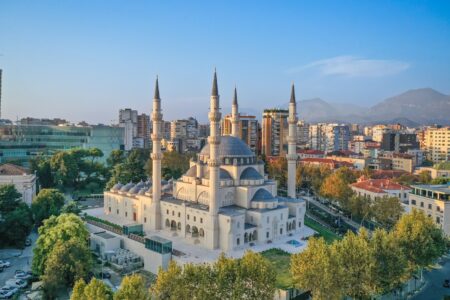
Located in Tirana, Namazgah Mosque is one of the city’s important places of worship and a symbol of the revival of Islam in Albania. Known for its striking modern design, the mosque serves both religious and community functions, hosting prayers and cultural events. Visitors can admire its architecture, experience the spiritual atmosphere, and learn about its role in the local community. Its accessible location makes Namazgah Mosque a noteworthy stop while exploring Tirana.
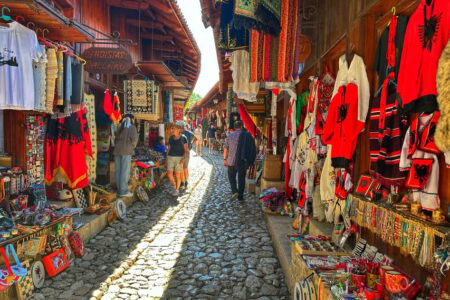
New Bazaar (Pazari i Ri)
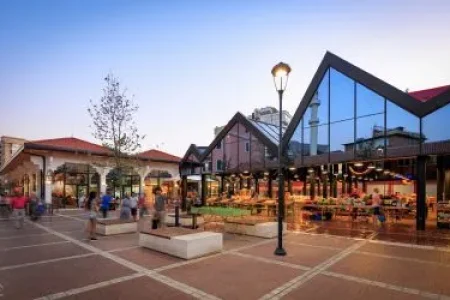
Located near the center of Tirana, the New Bazaar (Pazari i Ri) is a vibrant and colorful market that reflects the city’s lively culture. Visitors can explore fresh local produce, traditional foods, handmade crafts, and bustling cafés that line the area. The market is a popular spot for both shopping and socializing, offering a taste of everyday life in Tirana. Its central location makes the New Bazaar an easy and lively stop while discovering the city.
Museums in Tirana
The Museum of Natural Sciences Sabiha Kasimati
The Museum of Natural Sciences Sabiha Kasimati in Tirana is dedicated to Albania’s rich biodiversity and natural heritage. Named after the pioneering Albanian ichthyologist, Sabiha Kasimati, the museum showcases extensive collections of flora, fauna, minerals, and fossils native to the region. Visitors can explore interactive exhibits that highlight the country’s unique ecosystems and environmental importance. It’s a great educational site for anyone interested in nature and science in Albania.
National Archaeological Museum
The National Archaeological Museum of Tirana is Albania’s oldest and most important museum dedicated to the country’s rich archaeological heritage. It houses artifacts spanning prehistoric, Illyrian, Greek, Roman, and Byzantine periods. Visitors can explore sculptures, pottery, coins, and ancient tools that reveal Albania’s history and culture. The museum’s exhibits provide valuable insights into the region’s past, making it a must-visit for history enthusiasts and tourists interested in Albania’s ancient roots.
Bunk’Art 1 Museum
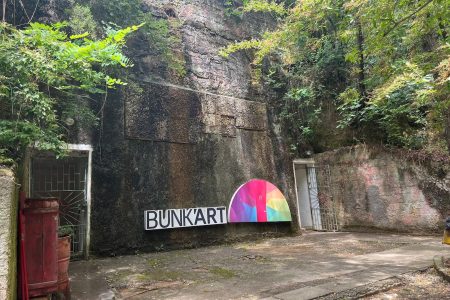
Located on the outskirts of Tirana, Bunk’Art 1 Museum is set inside a massive underground bunker built during Albania’s communist era. The museum offers an immersive journey into the country’s recent history through exhibitions on daily life, political persecution, and the regime’s obsession with isolation and defense. Visitors walk through long tunnels and former rooms of the bunker, combining history with a unique, atmospheric experience. Bunk’Art 1 is easily reachable from the city center and is a must-visit for those interested in understanding Albania’s past.
Bunk’Art 2 Museum
Located in the heart of Tirana, Bunk’Art 2 Museum is housed in a former nuclear bunker beneath the city’s main boulevard. The museum explores Albania’s communist past, showcasing political history, surveillance, and the everyday life of citizens under the regime. Visitors can walk through its tunnels and exhibition spaces, experiencing history in a unique and immersive way. Its central location makes Bunk’Art 2 an accessible and compelling stop for anyone exploring Tirana.
House of Leaves Museum
Situated in central Tirana, the House of Leaves Museum is dedicated to Albania’s secret surveillance during the communist era. Housed in a former Sigurimi (secret police) headquarters, the museum preserves documents, equipment, and stories that reveal the extent of state monitoring and repression. Visitors can explore the exhibitions, learn about personal and political histories, and gain a deeper understanding of Albania’s past. Its central location makes the House of Leaves an insightful and accessible stop while discovering Tirana.
Outdoor Activities in Tirana County
Tirana County is not only rich in culture and history but also in outdoor activities. Nature lovers and adventure seekers can find hiking trails, scenic lakes, and mountain escapes that are accessible from the city and surrounding municipalities.
Bovilla Lake Hike
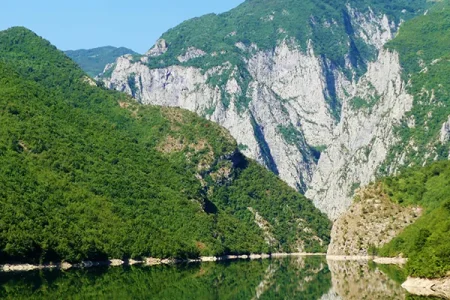
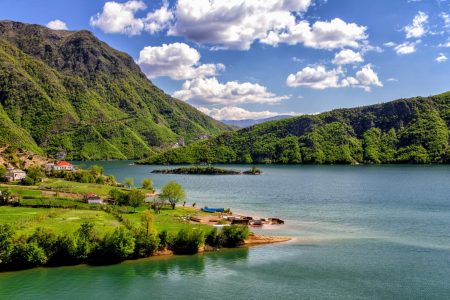
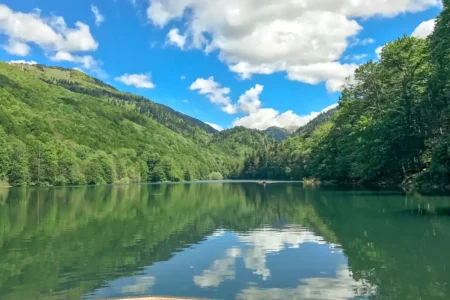
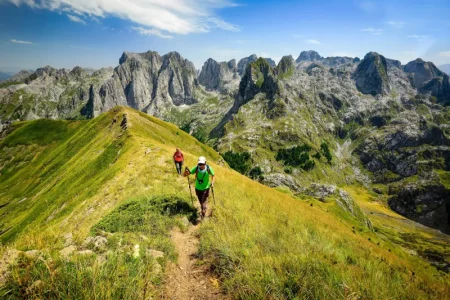
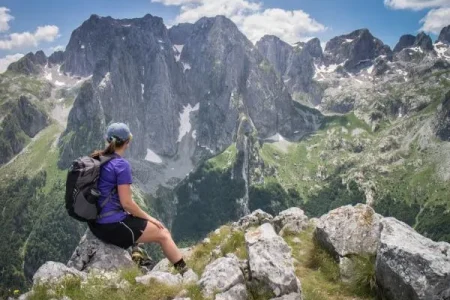
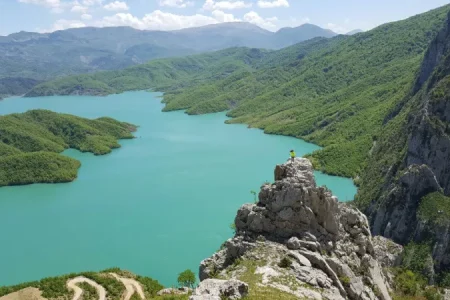
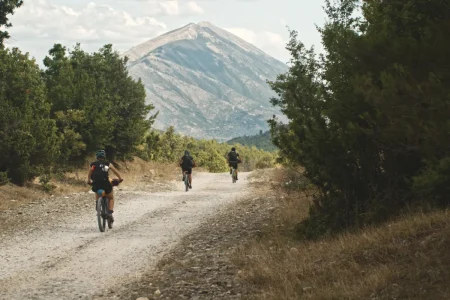
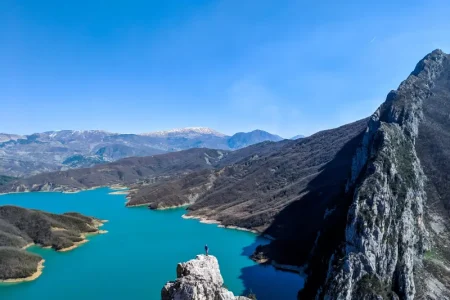
One of the most popular outdoor activities is hiking around Bovilla Lake. The trail is relatively moderate, suitable for families and casual hikers, and offers spectacular views of the reservoir and surrounding hills. Hikers should bring water, comfortable shoes, and cameras to capture the picturesque landscapes. The best times to hike are spring and autumn, when temperatures are mild and nature is at its most vibrant.
Dajti Mountain Adventures
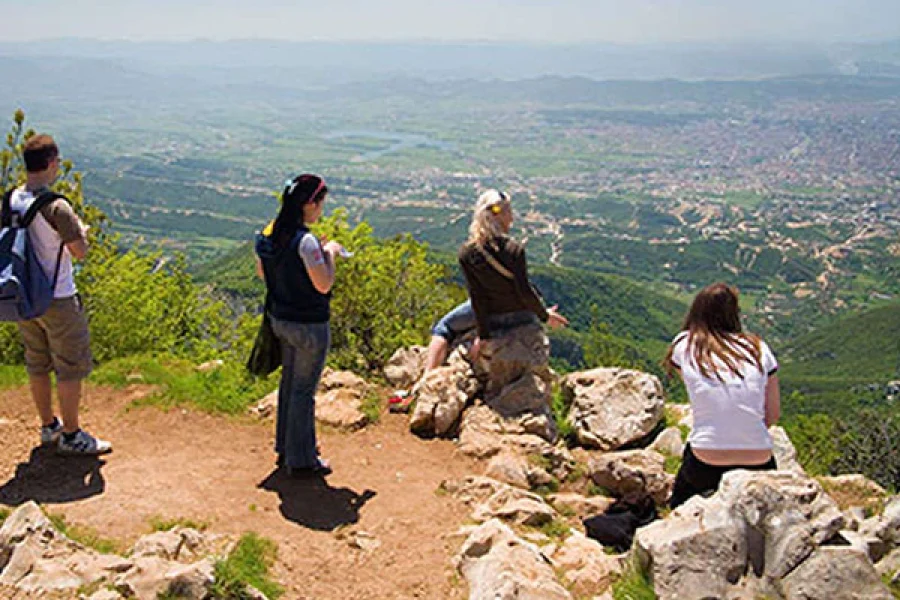
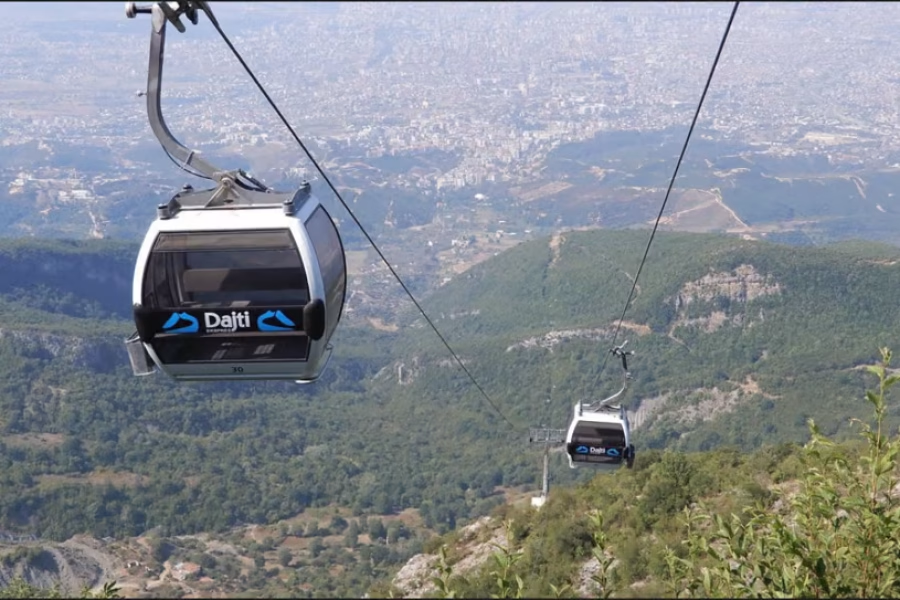
Beyond the cable car, Dajti Mountain offers numerous outdoor activities. Visitors can explore marked hiking trails, picnic in designated areas, or simply enjoy the breathtaking views over Tirana. In summer, guided nature walks provide insights into local flora, while winter offers light snow trekking opportunities.
Hiking Tours from Tirana
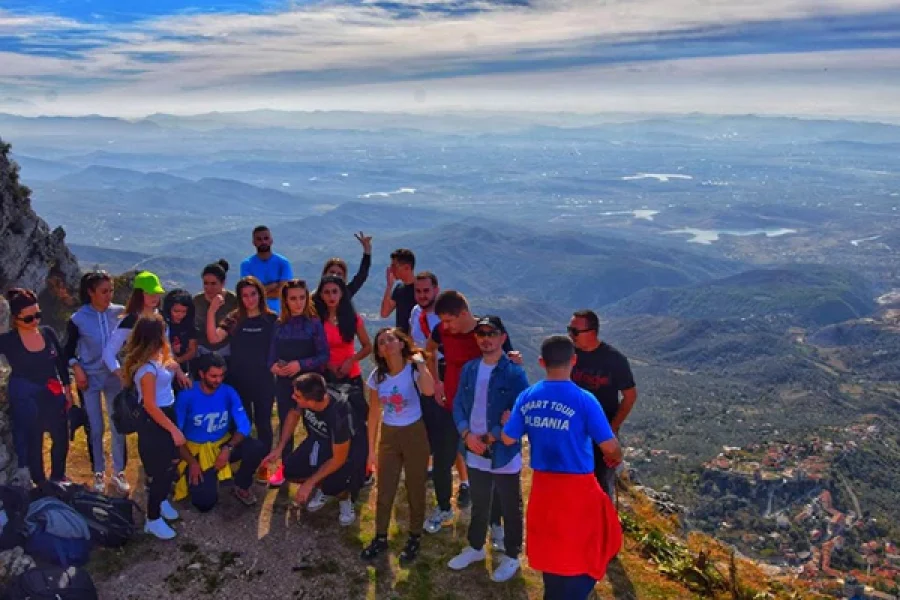
Several companies, including albaniaturism.com, offer organized hiking tours from Tirana to these destinations. These tours often include transport, guided expertise, and local insights into the region’s history and natural beauty. Whether you’re seeking a family-friendly adventure or a more strenuous hike, Tirana County provides a range of options for all skill levels.
Bullet Points – Top Outdoor Tips:
- Wear sturdy shoes and weather-appropriate clothing.
- Start hikes early to avoid crowds and enjoy cooler temperatures.
- Carry water, snacks, and a small first aid kit.
- Bring a camera or smartphone for panoramic views and wildlife photography.
What are the best hikes in Tirana County?
- Bovilla Lake hike – moderate, family-friendly
- Gamti Mountain trail – moderate to challenging
- Dajti Mountain trails – scenic with cable car access
History and Culture of Tirana County
Tirana County is not only a hub of natural beauty and outdoor activities but also a center of Albanian history and culture. From its early days as a small village to its role as the nation’s capital, the county reflects Albania’s complex historical evolution and vibrant cultural identity.
Tirana’s Historical Evolution
Tirana became the capital of Albania in 1920, and over the decades, it has grown into a cosmopolitan city surrounded by picturesque landscapes. The county’s administrative reforms over time have shaped its five municipalities—Tirana, Kamëz, Kavajë, Rrogozhinë, and Vorë—each with unique local traditions and historical landmarks. These reforms improved infrastructure, connectivity, and public services, making the region both accessible and appealing for tourists.
Museums and Cultural Sites
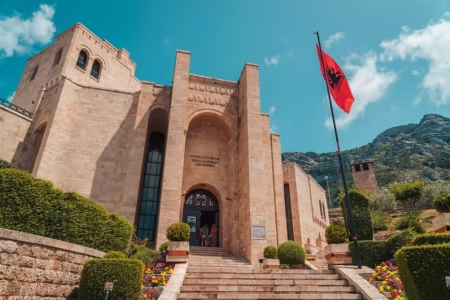
Cultural enthusiasts can explore numerous museums and historical sites within Tirana County. The National Historical Museum, located in Skanderbeg Square, offers a comprehensive overview of Albania’s past. The Pyramid of Tirana, initially built as a museum for former leader Enver Hoxha, now serves as a cultural and exhibition space. The Bunk’Art museums delve into Albania’s Cold War-era history, providing immersive and educational experiences. Together, these sites offer visitors a rich understanding of the county’s history, art, and architecture.
Festivals and Local Culture
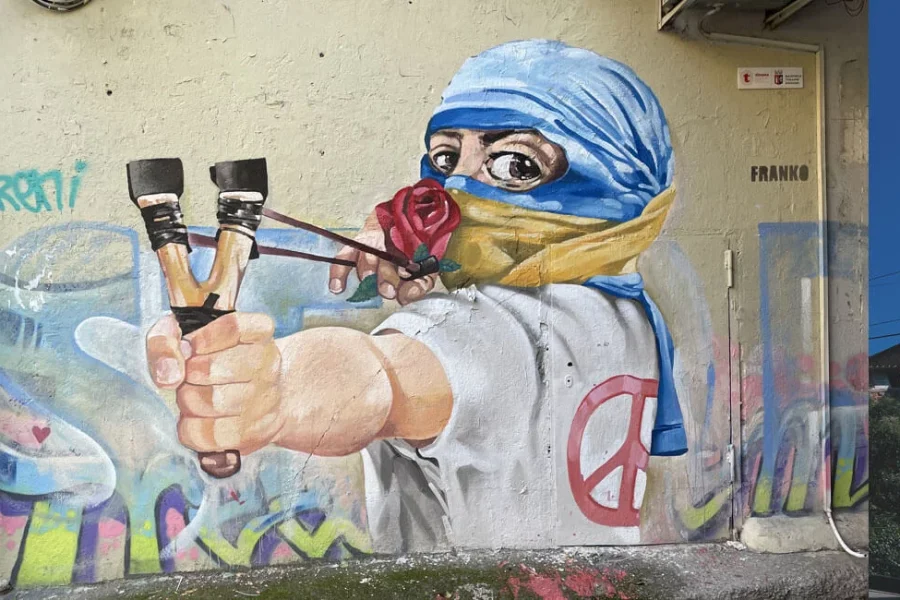
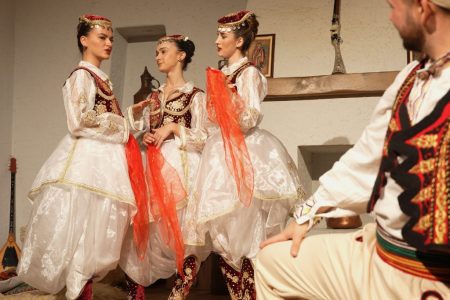
Tirana County is also known for its lively cultural scene, including music festivals, art exhibitions, and traditional celebrations. From the colorful Tirana International Film Festival to local folklore events, visitors can experience Albanian culture firsthand. Traditional cuisine, handicrafts, and street art provide an authentic taste of local life, making every visit memorable.
What is Tirana County known for?
Tirana County is known for its vibrant capital city, historical landmarks, cultural museums, scenic mountains, and lakes that together offer a unique blend of urban and natural experiences.
Practical Travel Tips for Tirana County
Visiting Tirana County is straightforward, thanks to its central location and well-developed infrastructure. Whether you are planning a city-focused trip or exploring nature, these travel tips will help make your visit enjoyable and stress-free.
Getting to Tirana County
Tirana International Airport is the main gateway for international travelers. From the airport, visitors can reach Tirana city in approximately 20 minutes by taxi or shuttle. Major roads connect Tirana to neighboring municipalities such as Kamëz, Kavajë, Rrogozhinë, and Vorë, making it easy to explore the county by car. Public transport options, including buses and taxis, are widely available within Tirana city.
Best Time to Visit
The ideal time to visit Tirana County is during spring (April to June) and autumn (September to October), when temperatures are mild and landscapes are vibrant. Summer is perfect for cultural festivals, city events, and mountain adventures, though it can be hot in the city. Winter offers light snowfall on Dajti and Gamti Mountains, creating scenic opportunities for photographers and hikers.
Accommodation Options
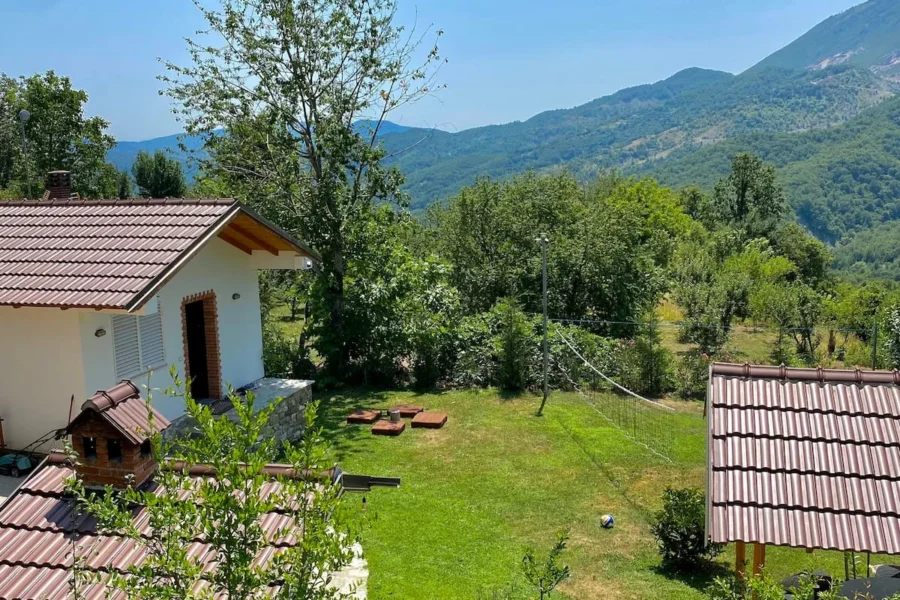
Accommodation ranges from modern hotels and boutique guesthouses in Tirana city to cozy countryside lodges near Bovilla Lake and Dajti Mountain. Families and solo travelers alike can find options suited to their preferences and budget. Booking in advance is recommended during peak tourist seasons.
Tours and Activities
To maximize your visit, consider guided tours from albaniaturism.com. Options include city sightseeing, hiking excursions, cultural experiences, and family-friendly adventures. Self-guided itineraries are also available for travelers who prefer flexibility.
Is Tirana County good for families?
Yes. The county offers family-friendly attractions such as Skanderbeg Square, Dajti Mountain cable car rides, easy hiking trails, and educational museums like Bunk’Art and the National Historical Museum.
Frequently Asked Questions about Tirana County
What is Tirana County known for?
Tirana County is known for its vibrant capital city, Tirana, which combines modern culture with historical landmarks. Beyond the city, the county is celebrated for natural attractions like Dajti Mountain, Lake Bovilla, and Gamti Mountain, offering hiking, sightseeing, and outdoor adventures. Cultural sites such as the National Historical Museum, Pyramid of Tirana, and Bunk’Art museums make it a hub for history and learning.
What are the top attractions in Tirana County?
- Skanderbeg Square – the central heart of Tirana with museums and monuments.
- Dajti Ekspres Cable Car – panoramic views and mountain trails.
- Bunk’Art 1 & 2 – immersive Cold War museums.
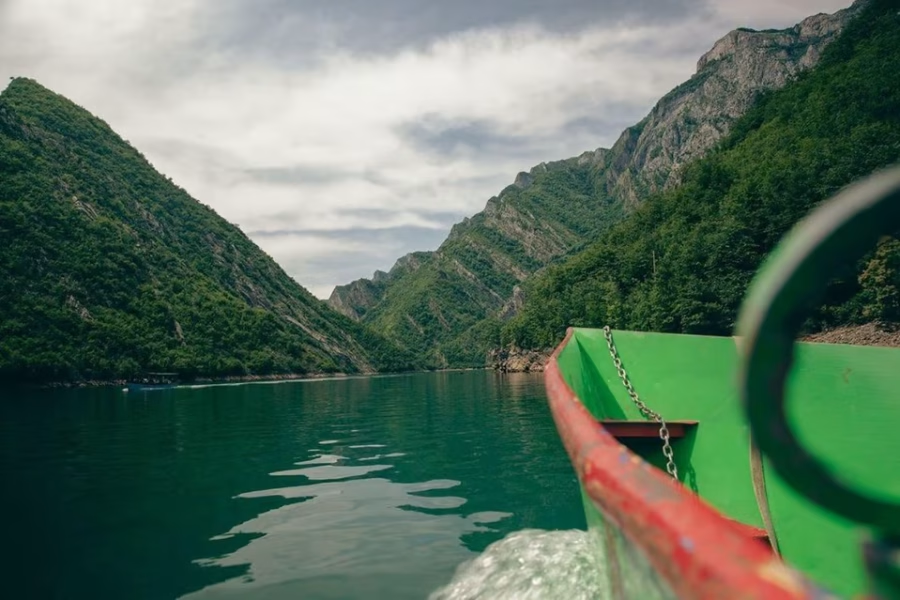
- Lake Bovilla & Bovilla Reservoir – scenic hikes and photography spots.
- Gamti Mountain Trails – moderate to challenging hiking routes.
How do I get to Lake Bovilla from Tirana County?
Lake Bovilla is located approximately 30 minutes north of Tirana. Travelers can reach the lake by car via the main Rruga e Kavajës road or by joining guided hiking tours. Public transport options are limited, so private cars or organized tours through albaniaturism.com are recommended for convenience.
What are the best hikes in Tirana County?
- Bovilla Lake Hike – moderate, family-friendly, approximately 2–3 hours.
- Gamti Mountain Trail – moderate to challenging, full-day adventure.
- Dajti Mountain Trails – accessible via cable car, various trail lengths for beginners and experienced hikers.
Which municipalities make up Tirana County?
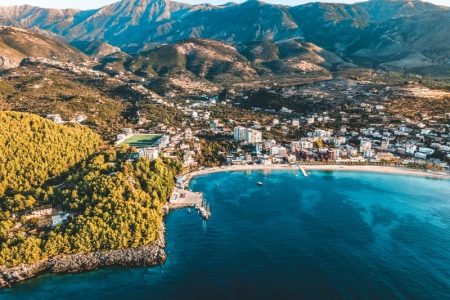
Tirana County comprises Tirana, Kamëz, Kavajë, Rrogozhinë, and Vorë. Each offers unique experiences, from urban attractions in Tirana to rural landscapes and coastal proximity in Kavajë.
Is Tirana County good for families?
Absolutely. The county offers family-friendly activities like city sightseeing, cable car rides on Dajti Mountain, easy hiking trails, lakeside walks, and educational museums such as Bunk’Art and the National Historical Museum. Many accommodation options cater to families, ensuring a comfortable stay.
Conclusion
Tirana County is a captivating destination where Albania’s urban vibrancy meets stunning natural landscapes. From the bustling streets of Skanderbeg Square to the peaceful trails of Bovilla Lake and Gamti Mountain, visitors can enjoy a mix of culture, adventure, and relaxation. The county’s museums, historical landmarks, and local festivals add depth to every trip, making it an ideal destination for families, solo travelers, and outdoor enthusiasts alike.
To make the most of your visit, consider booking guided tours or self-guided adventures with Albaniaturism.com. Our curated itineraries include city sightseeing, hiking excursions, cultural experiences, and family-friendly activities, ensuring a memorable and hassle-free journey through Tirana County.
Plan your Tirana County adventure today! Explore the best attractions, hike scenic trails, and immerse yourself in Albania’s rich culture with expert guides and tailored tours from Albaniaturism.com. Don’t miss the chance to experience the vibrant heart of Albania firsthand.







 English