 English



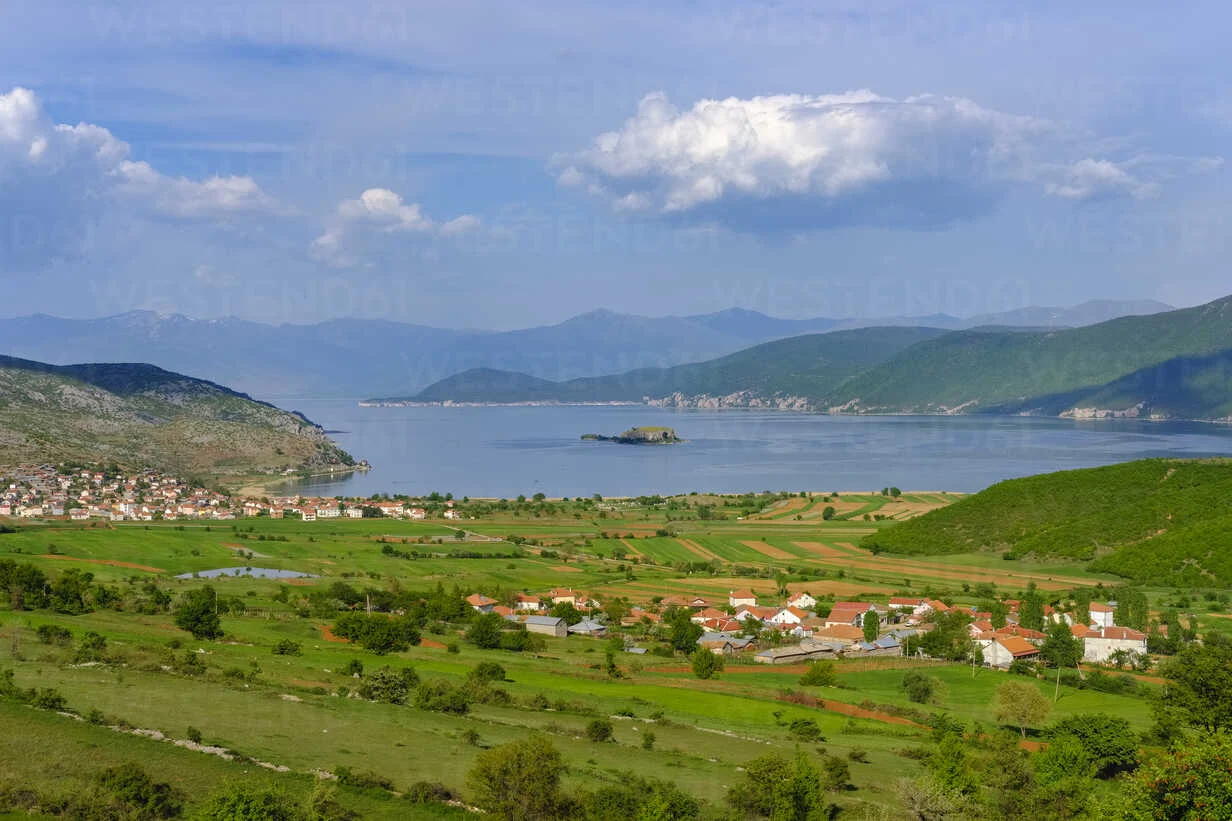

Prespa National Park is one of the Balkans’ most breathtaking and ecologically rich areas, where three countries meet. Located in Albania’s southeastern tip, the park features crystal-clear lakes, dramatic mountains, and centuries-old cultural treasures. It is a place where time slows, nature thrives, and visitors enjoy the peace of untouched wilderness.
I. Introduction – The Cross-Border Paradise of Prespa National Park Albania
At the heart of Albania’s natural heritage lies Prespa National Park, shared by Albania, Greece, and North Macedonia.
This area is internationally recognized as Prespa Park, the Balkans’ first transboundary protected region.
It represents not just geography but cooperation among nations dedicated to preserving nature and cultural legacy.
Covering 27,750 hectares, Prespa National Park includes two ancient lakes: Great Prespa and Small Prespa, among Europe’s oldest tectonic lakes.
The lakes’ calm surfaces reflect Mali i Thatë Mountain, creating unforgettable panoramas for every visitor.
Beneath the waters, karstic springs feed nearby Lake Ohrid, forming a unique underground hydrological system.
Beyond its geology, Prespa is a sanctuary of biodiversity and tranquility.
Wetlands, forests, and islands provide refuge to migratory birds and rare endemic species.
Small villages, like Pustec, Zagradec, and Gollomboç, preserve traditional life and offer warm hospitality.
Visitors can enjoy a lifestyle untouched by modern chaos: fishing boats, stone houses, and homemade dishes.
Prespa National Park is more than a destination—it is an emotional encounter with Albania’s soul.
Nature lovers, birdwatchers, and history enthusiasts all find something unique here.
AlbaniaTurism.com makes exploring this wonder effortless with guided eco-tours, boat trips, and hiking adventures.
Tours ensure your visit supports local communities and conservation efforts.
II. Biodiversity and Ecosystem – Discover the Living Treasure of Prespa National Park
The heart of Prespa National Park Albania beats through its extraordinary biodiversity — one of the richest in the Balkans. Over 1,100 plant species flourish here, from alpine herbs to wetland reeds, creating a living tapestry that changes color with every season. The park’s ecosystem is a mosaic of forests, meadows, wetlands, and lakeshores that support a stunning array of life.
A Sanctuary for Rare and Endemic Species
Prespa’s flora and fauna are exceptionally important, hosting over 270 bird species, 60 mammals, and nearly 30 fish species. Many of these species are found nowhere else in the world. The park is a vital nesting and feeding ground for endangered birds, attracting birdwatchers and conservationists. One of Prespa’s most iconic residents is the Dalmatian pelican, with a wingspan reaching up to three meters.
What is the significance of the Dalmatian pelican in Prespa National Park?
The Dalmatian pelican is more than a symbol of Prespa—it represents hope for biodiversity conservation in the Balkans. Prespa hosts one of the world’s largest breeding colonies of these endangered birds, reliant on wetland preservation. Watching them glide gracefully across the lake is unforgettable and connects visitors with the park’s wild essence.
Other remarkable species thrive here as well:
- The elusive Balkan lynx, one of Europe’s rarest predators
- Brown bears and wild boars roaming the forested slopes
- Otters, pygmy cormorants, and herons along the lake shores
- A variety of reptiles and amphibians that make Prespa a herpetological hotspot
A Living Laboratory of Nature
Prespa National Park is not only a wildlife refuge but also a natural classroom for scientists and ecotourists. Its wetlands play a crucial role in regulating water levels, filtering pollutants, and sustaining biodiversity across the wider Balkan ecosystem. These fragile habitats depend on continued conservation efforts, which are supported through eco-tourism initiatives and responsible travel partnerships promoted by AlbaniaTurism.com.
By visiting Prespa, travelers become part of a larger story — one that supports endangered species, empowers local communities, and protects the landscape for generations to come.
III. Geography and Landscape – Where Mountains Meet Mirror Lakes
The landscapes of Prespa National Park Albania are a masterpiece, where mirror-like lakes meet rugged alpine mountain silhouettes. The park spans a mosaic of habitats, from wetlands and oak forests to limestone ridges and rocky islets. This diverse terrain creates dynamic scenery that invites exploration at every turn.
Great and Small Prespa Lakes – Timeless Waters of the Balkans
At the heart of this enchanting landscape lie the Great Prespa Lake and Small Prespa Lake, among the oldest tectonic lakes in Europe. Formed millions of years ago, these lakes are remnants of an ancient inland sea and remain some of the most pristine freshwater ecosystems in the Balkans.
- Great Prespa Lake, shared between Albania, Greece, and North Macedonia, is the larger of the two — a vast, deep expanse of clear water surrounded by lush wetlands and steep mountains.
- Small Prespa Lake, mostly within Albanian and Greek territory, is shallower and rich in aquatic vegetation, providing ideal nesting grounds for migratory birds.
These two lakes are connected by underground karst channels and form a unique hydrological system that also feeds into Lake Ohrid, a UNESCO World Heritage Site. The entire network acts as a natural reservoir, sustaining diverse ecosystems and local livelihoods.
Mali i Thatë Mountain – The Guardian of Prespa
Towering above the lakes is Mali i Thatë Mountain (meaning “Dry Mountain”), a dramatic limestone range rising to 2,287 meters. From its peaks, visitors are rewarded with panoramic views of both Prespa Lakes and distant Mount Galicica in North Macedonia. This area is ideal for hiking, photography, and nature observation, offering trails that range from gentle walks through meadows to challenging climbs over rocky ridges.
Along the way, travelers encounter ancient caves, wildflowers, and sometimes even traces of old hermit dwellings carved into cliffs — silent witnesses to Prespa’s long human history.
Natural Monuments and Scenic Beauty
The park’s natural monuments are as diverse as they are beautiful. From the karst formations of the Treni Caves to the small islands dotting the lakes, every corner of Prespa tells a geological story. Wetlands shimmer with reeds and lilies, while the forests echo with birdsong and the rustle of wildlife.
For those seeking authentic eco-adventures, AlbaniaTurism.com offers guided hikes, birdwatching excursions, and boat trips across Great Prespa Lake. Each journey unveils a different facet of the park — from its tranquil shores to its sky-high summits — ensuring visitors experience Prespa’s full natural splendor while supporting sustainable tourism.
IV. Cultural and Historical Heritage – The Sacred Heart of Prespa
While Prespa delights nature lovers with its wilderness, it also fascinates history enthusiasts and pilgrims with cultural treasures. The region has been inhabited since prehistoric times, serving as a crossroads of civilizations, faiths, and trade routes.
Archaeological evidence shows Neolithic settlements, Illyrian fortresses, and Byzantine relics throughout the area. Ancient cave paintings, sacred chapels, and traditional stone villages reveal a deep connection between people and the land. This bond continues in the architecture, folklore, and daily life of Prespa’s residents.
Maligrad Island and the Church of St. Mary
Perhaps the most iconic landmark of Prespa National Park is Maligrad Island, a small rocky isle in Great Prespa Lake. Accessible by boat, the island hosts the Church of St. Mary, built in the 14th century. The church is famous for its well-preserved Byzantine frescoes depicting saints, angels, and beautiful religious scenes.
What historic sites can be visited inside Prespa National Park?
- Maligrad Island and St. Mary’s Church – The crown jewel of Prespa’s cultural landscape, offering breathtaking views and spiritual serenity.
- Zagradec Village – Known for ruins of an early Christian basilica and panoramic lake vistas.
- Gollomboç and Treni Villages – Preserving centuries-old Orthodox chapels and stone houses.
- Via Egnatia Route – The ancient Roman trade road that once linked the Adriatic to the Aegean, passing near Prespa’s valleys.
Every site tells a story of coexistence between faith and nature, where sacred spaces were built not to dominate the landscape but to harmonize with it.
Living Traditions and Local Culture
Prespa’s villages, especially Pustec, offer a glimpse into authentic Albanian rural life. Locals still follow traditional agricultural and fishing practices, prepare homemade wine and bread, and celebrate religious festivals that have survived for generations. Visitors are welcomed like family — invited to share meals, learn folk dances, and enjoy the warmth of genuine Albanian hospitality.
Through cultural tours offered by AlbaniaTurism.com, travelers can explore these heritage sites responsibly while directly supporting the local communities that keep Prespa’s traditions alive.
Prespa National Park is not just a natural wonder — it’s a living museum of human resilience and harmony. From ancient chapels to humble fishing villages, every step here tells the timeless story of how people and nature have shaped each other for millennia.
V. Outdoor Adventures and Activities – Explore Prespa Beyond the Map
There’s something magical about Prespa National Park Albania — it feels like every path, lake, and mountain invites you to wander a little farther. Whether you’re the kind of traveler who hikes for sunrise views, watches birds through binoculars, or just wants to soak up the peace of untouched nature, Prespa offers it all in slow, beautiful abundance.
Hiking Trails and Nature Walks
The park is crisscrossed with scenic hiking trails that range from gentle lakeside strolls to full-day mountain adventures.
- Mali i Thatë Ridge Trail offers breathtaking views of both Great and Small Prespa Lakes, with a horizon that seems endless.
- Gorica Pass rewards you with lush meadows and wildflowers that bloom in spring.
- Around Zagradec and Treni, peaceful paths wind through ancient ruins and wetlands alive with bird calls.
For those who prefer shorter walks, there are easy circuits around the lake villages — perfect for spotting herons, pelicans, and the quiet ripples of fish beneath the water’s surface.
Birdwatching, Boating, and Eco-Adventures
Birdwatching is one of Prespa’s top attractions. Over 270 bird species have been recorded here, and the early mornings are pure magic — the kind where you can hear nothing but wings and water. The Dalmatian pelican is the star of the show, but keep your eyes peeled for cormorants, herons, and the rare pygmy cormorant.
You can also explore the lakes by boat tour, gliding toward Maligrad Island to visit the Church of St. Mary. These tours are calm, meditative experiences — just you, the sound of paddles, and the expanse of blue water stretching to the horizon.
Community-Based Tourism
Many of Prespa’s experiences are run by locals who’ve lived here for generations. They’ll take you fishing, teach you to bake homemade bread, or guide you through forest trails. By joining these activities through AlbaniaTurism.com, travelers directly support local families and small eco-projects that help preserve the park.
Prespa isn’t about fast tourism — it’s about slow discovery. A place where you can breathe deeply, listen, and remember what peace feels like.
VI. Conservation and Cross-Border Cooperation – A Model for Sustainability
Few places illustrate the power of collaboration like Prespa National Park Albania. This park doesn’t just belong to one country — it’s shared by Albania, Greece, and North Macedonia, making it the first transboundary protected area in the Balkans. That’s what makes it so special: three nations working together to protect one extraordinary ecosystem.
A Joint Effort to Protect Nature
Prespa is part of the Prespa Park Agreement, signed in 2000, which united these neighboring countries under a shared vision: to safeguard their common natural treasure. The area is also recognized as a UNESCO Biosphere Reserve and a Ramsar Site, celebrated for its wetlands of international importance.
This means that every time you visit, hike, or stay in Prespa, you’re contributing — directly or indirectly — to a global model of cross-border cooperation. Albania, Greece, and North Macedonia share research, protect endangered species together, and coordinate tourism that respects the delicate ecosystem.
Facing Environmental Challenges
Despite these successes, Prespa faces challenges: climate change, fluctuating water levels, and habitat degradation all threaten the delicate balance of the region. Conservation organizations are working hard to protect the wetlands, restore reed beds, and monitor rare species like the Dalmatian pelican and Balkan lynx.
But here’s the hopeful part — tourism, when done responsibly, helps. By booking eco-tours through platforms like AlbaniaTurism.com, travelers provide funding that supports reforestation, bird monitoring, and environmental education projects for local communities.
How the Three Nations Work Together
How does Prespa National Park cooperate with neighboring countries for conservation?
Each country has its own section of the park, but they collaborate through shared management plans and regular meetings among conservation teams. Joint patrols help combat illegal fishing and logging, while cross-border bird censuses keep track of migratory populations. Environmental NGOs also organize community workshops, where locals learn sustainable farming and eco-tourism practices that reduce pressure on the environment.
Prespa’s story is proof that nature doesn’t recognize borders — only balance. It shows that when nations come together for a common goal, the result can be something truly lasting: a peaceful, thriving sanctuary that benefits wildlife, people, and travelers alike.
So when you step onto the shores of Prespa, you’re not just exploring a national park. You’re walking through a living example of what international harmony can look like — a symbol of hope that beauty and cooperation can indeed coexist.
VII. Planning Your Visit – How to Experience Prespa National Park Albania
Visiting Prespa National Park Albania is like stepping into a different rhythm of life — one guided by nature, silence, and simplicity. Whether you’re coming for a weekend retreat or a longer eco-adventure, careful planning ensures you experience Prespa at its most peaceful and inspiring.
Where is Prespa National Park Located in Albania?
Where is Prespa National Park located in Albania?
Prespa National Park lies in southeastern Albania, in Korçë County, bordering Greece and North Macedonia. It encompasses the area around Pustec Municipality and the villages of Zagradec, Gollomboç, and Treni. The park’s heart is formed by Great Prespa Lake and Small Prespa Lake, surrounded by rolling hills, oak forests, and the dramatic slopes of Mali i Thatë Mountain.
This unique position makes Prespa not only a natural wonder but also a symbol of Albania’s geographic and cultural connection to its Balkan neighbors.
How to Get to Prespa National Park
How to get to Prespa National Park from Tirana or Korçë?
From Tirana, the journey to Prespa takes about 4–5 hours by car, passing through Elbasan and Korçë, where the winding roads reveal stunning mountain vistas. Many travelers stop overnight in Korçë, known as the “Little Paris of Albania,” before continuing the next morning toward Pustec or Zagradec, the main entry points to the park.
From Korçë, the drive is short — about one hour — offering scenic countryside views and glimpses of traditional villages. While the route is well-maintained, driving slowly is recommended to fully enjoy the tranquil atmosphere and avoid wildlife crossing the roads.
Best Time to Visit Prespa National Park
What is the best time to visit Prespa National Park?
Prespa is beautiful year-round, but spring (April–June) and autumn (September–October) are ideal.
- Spring brings wildflowers, migrating birds, and pleasant temperatures — perfect for hiking and photography.
- Summer (July–August) is warm and excellent for swimming or boating, though quieter trails are best explored early in the morning.
- Autumn offers mild weather and golden colors reflected on the lake’s surface.
- Winter is serene and contemplative, especially for travelers who crave solitude and snowy mountain views.
Where to Stay and What to Expect
Visitors can find cozy guesthouses and eco-lodges in Pustec, Zagradec, and Gollomboç. Many are family-run, offering home-cooked meals made with local ingredients — fresh fish from the lake, garden vegetables, and homemade wine.
With AlbaniaTurism.com, you can easily arrange your stay, choose guided eco-tours, and book transportation from Korçë or Tirana. Packages can include birdwatching excursions, boat rides, or cultural visits to Maligrad Island and historic villages.
Prespa National Park is open year-round and doesn’t require a formal entry ticket, but visitors are encouraged to support local conservation initiatives through donations or participation in community-led activities.
Travel Tips for a Smooth Experience
- Bring binoculars for birdwatching and a camera for landscapes.
- Carry cash; ATMs are limited in the area.
- Respect local customs and the environment — Prespa thrives on responsible tourism.
- Check road conditions in winter or after heavy rain.
Every detail — from the fresh mountain air to the hospitality of local families — makes Prespa feel deeply personal. And with AlbaniaTurism.com, you can experience it all effortlessly, knowing your journey supports both people and nature.
VIII. Why Visit Prespa National Park with AlbaniaTurism.com
Prespa National Park Albania is more than a travel destination — it’s an emotional encounter with Albania’s wild beauty, rich culture, and deep peace. And AlbaniaTurism.com is your trusted local partner in discovering it responsibly and comfortably.
The Benefits of Traveling with Experts
When you travel with AlbaniaTurism.com, you don’t just book a trip — you join a curated experience built by locals who know every trail, village, and secret viewpoint in Prespa. Our team collaborates directly with local guides, guesthouses, and community cooperatives, ensuring that your visit benefits the people who protect and preserve this extraordinary park.
We offer:
- Eco-friendly tours tailored to your interests — from hiking and birdwatching to cultural immersion.
- Local guides who share personal stories and insights about the region’s nature and history.
- Comfortable accommodation in authentic guesthouses or eco-lodges with home-cooked Albanian meals.
- Custom itineraries combining Prespa with nearby highlights like Korçë, Lake Ohrid, and Voskopoja.
Responsible Travel with a Purpose
Every booking through AlbaniaTurism.com contributes to sustainable tourism and conservation projects in Prespa. We believe in travel that gives back — supporting small family businesses, funding environmental education, and helping preserve the fragile habitats that make Prespa so special.
Your journey, therefore, becomes more than sightseeing. It becomes an act of care — for nature, for culture, and for the future of Albania’s wild heart.
Why Choose Prespa Now
Prespa is still one of Albania’s most undiscovered treasures. Unlike the crowded beaches or busy mountain resorts, this region offers serenity, authenticity, and a chance to reconnect with nature’s rhythm.
- No mass tourism, only pure tranquility.
- Unique combination of lakes, mountains, and cultural heritage.
- A living example of cross-border harmony between Albania, Greece, and North Macedonia.
- Endless opportunities for eco-tourism, photography, and reflection.
Plan Your Adventure Today
Let AlbaniaTurism.com craft the perfect Prespa experience for you — whether it’s a private hiking tour, a weekend escape, or a multi-day eco-expedition across the Balkans’ most peaceful landscape.
0 Comment