Butrint – Albania’s Premier UNESCO World Heritage
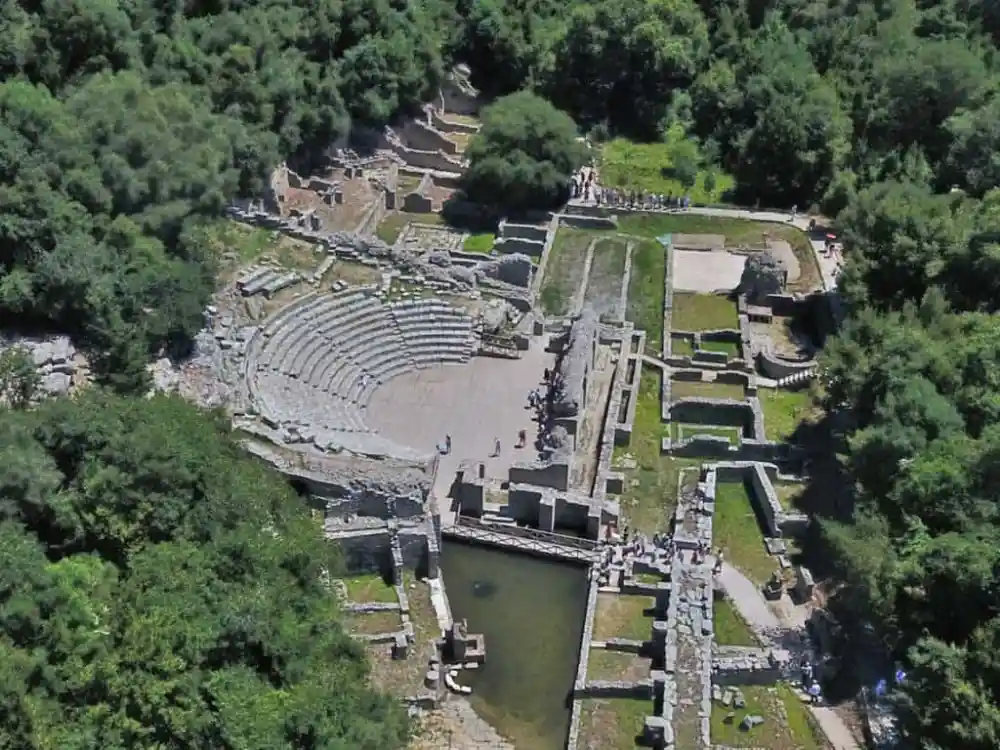
Butrint stands as one of Albania’s most treasured destinations, combining ancient history, stunning archaeological ruins, and breathtaking natural landscapes. Recognized as a UNESCO World Heritage Site, Butrint showcases over 2,500 years of civilization, from Greek settlers in the 7th century BC to Roman, Byzantine, and Venetian influences. Nestled within the lush Butrint National Park, the site offers visitors a unique combination of cultural heritage and rich biodiversity, making it a must-visit for history enthusiasts, nature lovers, and adventurous travelers. Whether exploring the well-preserved amphitheater, walking along the city walls, or enjoying serene views of Lake Butrint, this destination provides an unforgettable Albanian experience.
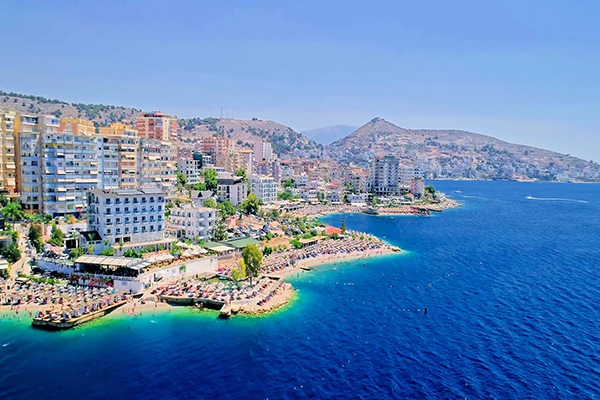
Visitors often wonder, “What makes Butrint Albania so special?” Its UNESCO designation highlights the site’s universal value: not only for its impressive ruins but also for the surrounding wetlands, forests, and lakes that create a harmonious blend of culture and nature. Located just 18 km south of Saranda, Butrint is easily accessible from both Saranda and Tirana, making it an ideal stop for guided tours or self-planned excursions. Albaniaturism.com offers seamless transport and tour options, allowing travelers to experience both the historical and ecological treasures of the region without stress.
History of Butrint
From Greek Colony to Venetian Fortress
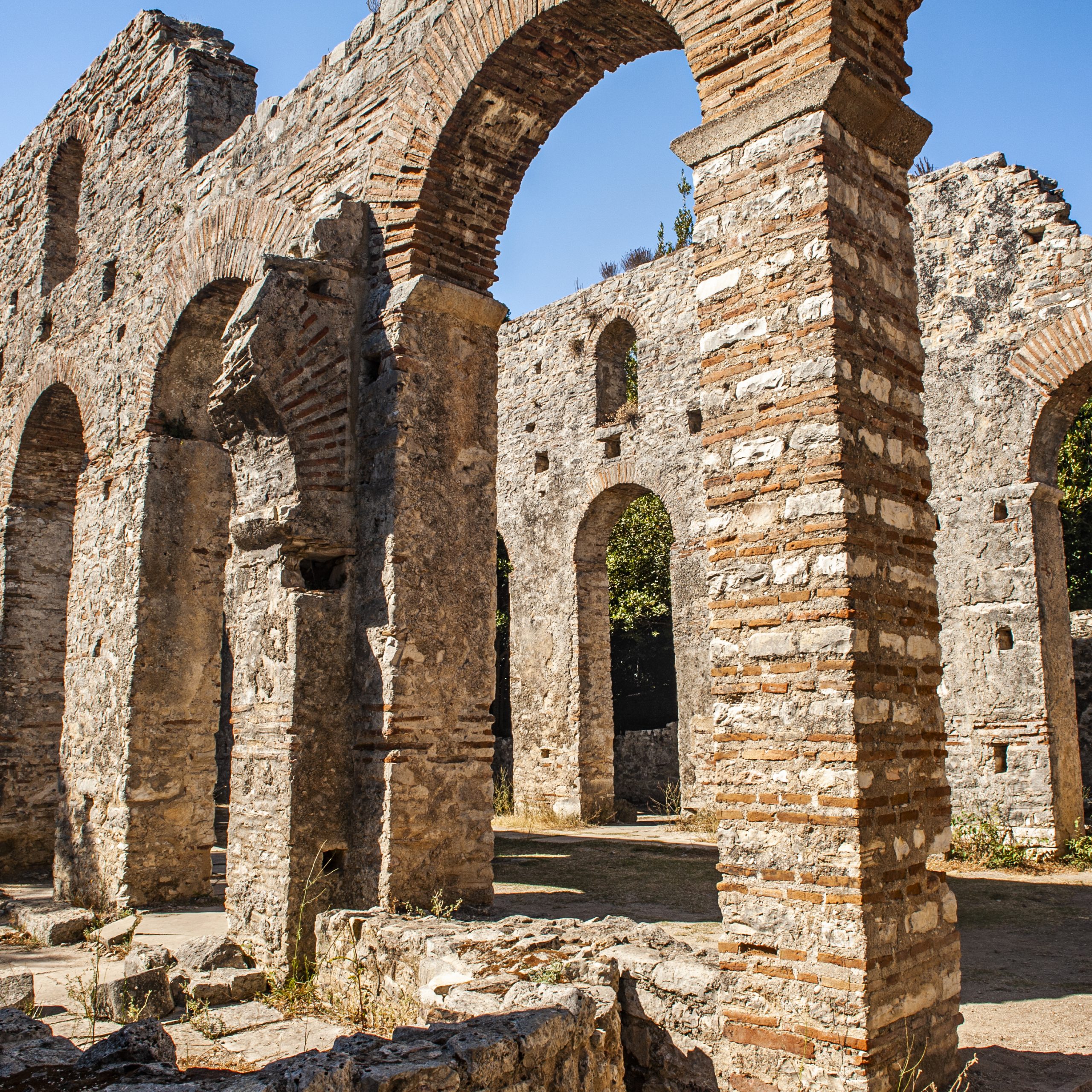
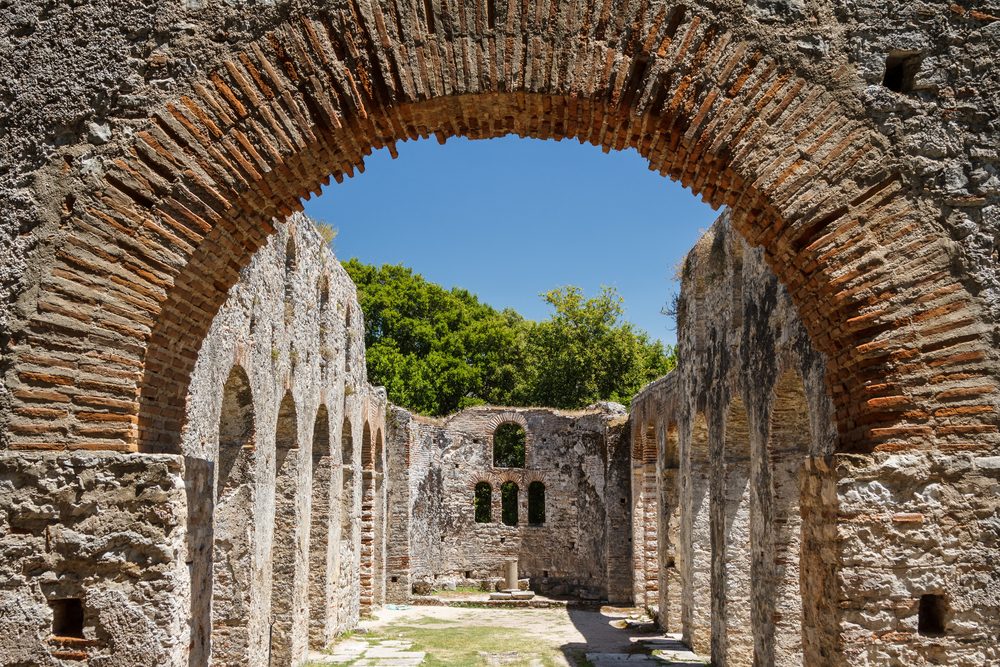
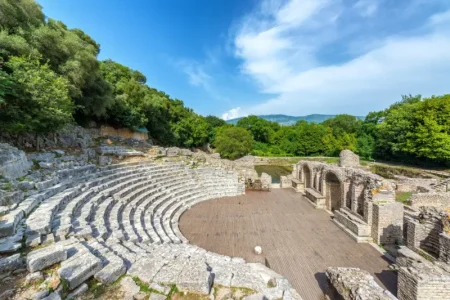
The story of Butrint ruins begins in the 7th century BC, when Greek settlers established the city as a strategic trading post. Over the centuries, Butrint evolved into a Roman colony, complete with public baths, an amphitheater, and a forum that showcased Roman architectural prowess. Byzantine rule left its mark with religious monuments and city fortifications, while Venetian occupation added defensive towers and gateways, including the iconic Lion’s Gate. Each layer of history is visible today, allowing visitors to trace the city’s transformation over 2,500 years.
Key attractions include:
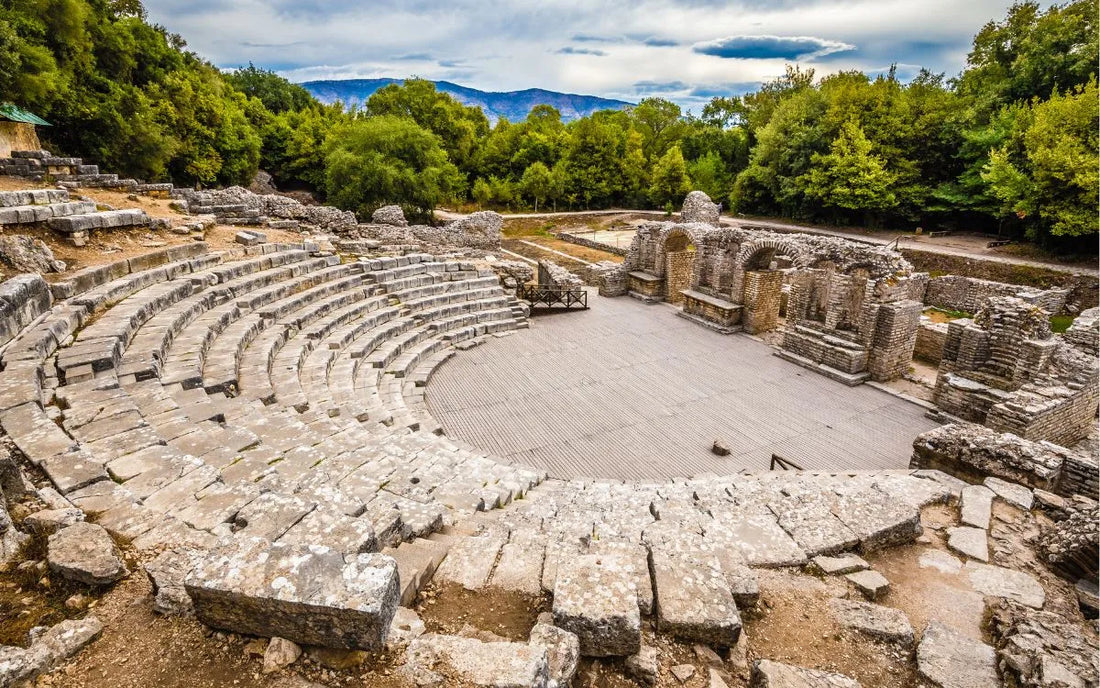
- The Amphitheater: A well-preserved structure hosting performances and gatherings in ancient times.
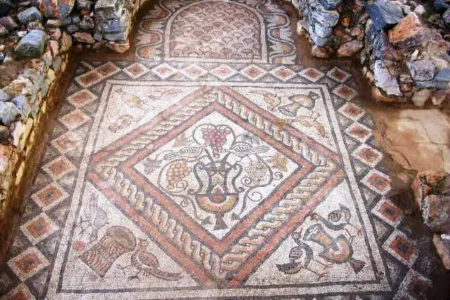
- The Baptistery: Famous for its intricate mosaics and religious significance.
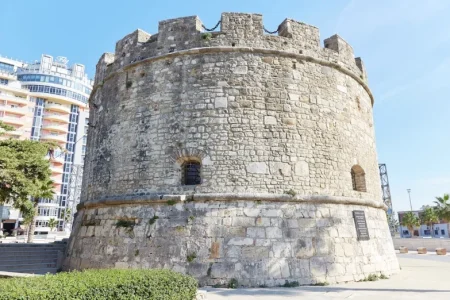
- Venetian Towers and City Walls: Testaments to Butrint’s strategic importance throughout history.
Why Butrint is Essential for History Lovers
Butrint UNESCO status is not just about ruins; it reflects the city’s pivotal role in Mediterranean history. Walking through Butrint is like turning the pages of an ancient storybook, where each gate, basilica, and theater tells a chapter of trade, conquest, and cultural exchange. For travelers interested in archaeology and history, guided tours provide essential context, bringing the ruins to life and highlighting how Albania contributed to the broader European and Mediterranean narrative.
For those planning a visit, combining Butrint with nearby attractions like Ksamil beaches or the Blue Eye spring offers a balanced day of exploration, blending ancient civilization with modern natural wonders. Learn more about the park and surrounding areas through Albaniaturism’s Butrint National Park Tour, which ensures a comprehensive and stress-free experience.
Butrint National Park and Nature
Lake Butrint and Wetlands
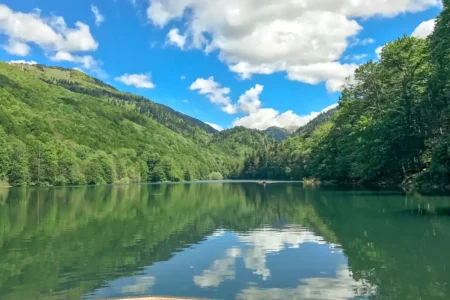
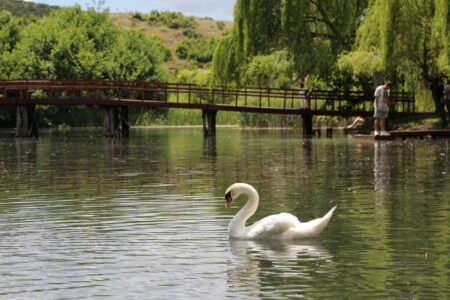
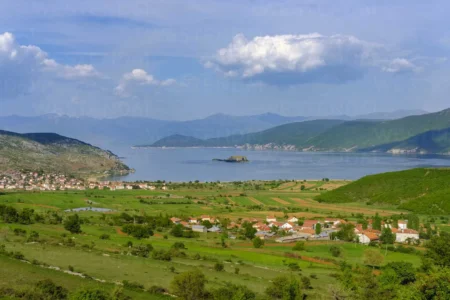
Butrint National Park is not just an archaeological treasure; it is also a haven for nature lovers. Covering approximately 9,900 hectares, the park encompasses wetlands, freshwater lakes, lush forests, and the famous Lake Butrint, a unique salt lagoon connected to the Ionian Sea via the Vivari Channel. This diverse ecosystem supports over 1,200 plant and animal species, making it a paradise for birdwatchers and eco-explorers. Migratory birds such as herons, egrets, and flamingos pass through annually, while rare species like the loggerhead sea turtle can occasionally be spotted along the shoreline.
The combination of archaeological ruins and thriving biodiversity makes Butrint a truly immersive experience. Visitors can walk along nature trails that wind between ancient city walls and marshlands, offering scenic views of Lake Butrint and the surrounding forests. Photographers and wildlife enthusiasts alike will find endless opportunities to capture Albania’s natural beauty while exploring a historic setting.
Nature Walks and Eco-Exploration
Visitors to Butrint Albania can enjoy guided or self-guided nature walks that explore both cultural and ecological highlights. Trails are well-marked, offering a gentle introduction to the park’s flora, including Mediterranean pines, oaks, and endemic plant species. Birdwatching platforms along the wetlands provide optimal vantage points to spot waterfowl and migratory species in their natural habitat.
For those seeking a more relaxed experience, picnicking near Lake Butrint or observing wildlife along the Vivari Channel is a peaceful alternative to the main archaeological routes. Combining eco-tourism with cultural exploration allows visitors to fully appreciate the dual significance of this UNESCO site. For more details on the park’s nature offerings, check out Nature in Albania.
Things to Do in Butrint
Exploring Butrint Ruins
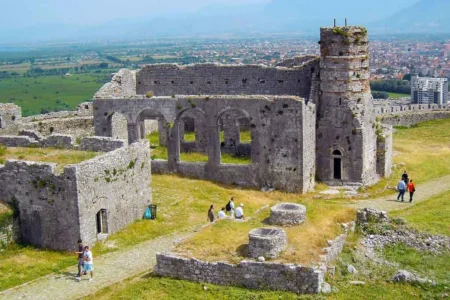
A visit to Butrint ruins is best experienced with a guided tour, which provides context to the site’s 2,500-year history. Highlights include the well-preserved amphitheater, where ancient performances once took place, the intricate mosaics of the baptistery, and the Venetian towers that once guarded the city. Walking along the city walls and through the Lion’s Gate gives visitors a tangible sense of the city’s past and strategic importance in the Mediterranean.
For history enthusiasts, combining a guided tour with time to explore independently allows for a deeper connection with the site. Maps and informational boards along the trails provide additional insights, while local guides share stories and historical details that bring the ruins to life.
Nearby Attractions for a Full-Day Tour
Butrint can easily be combined with other local attractions for a comprehensive day trip. Some recommended highlights include:
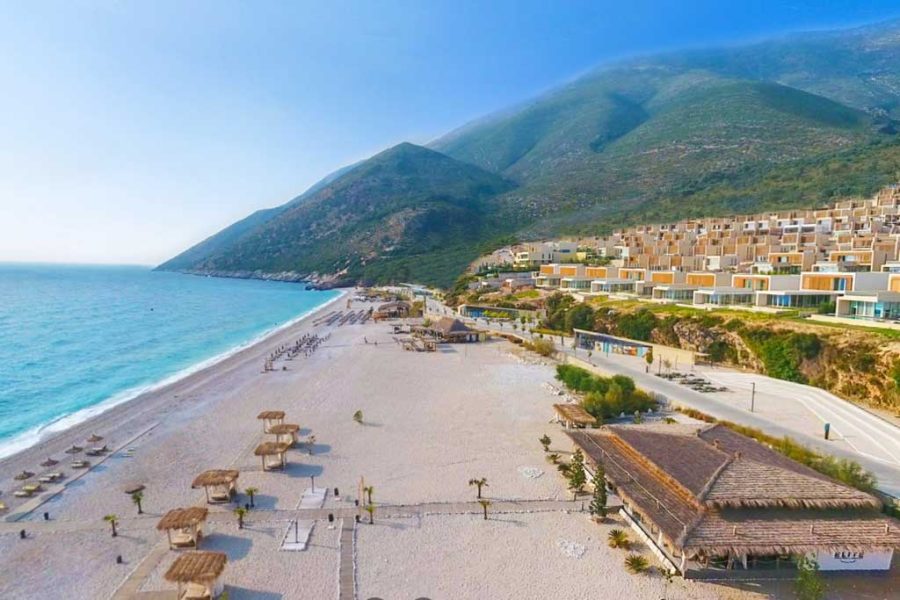
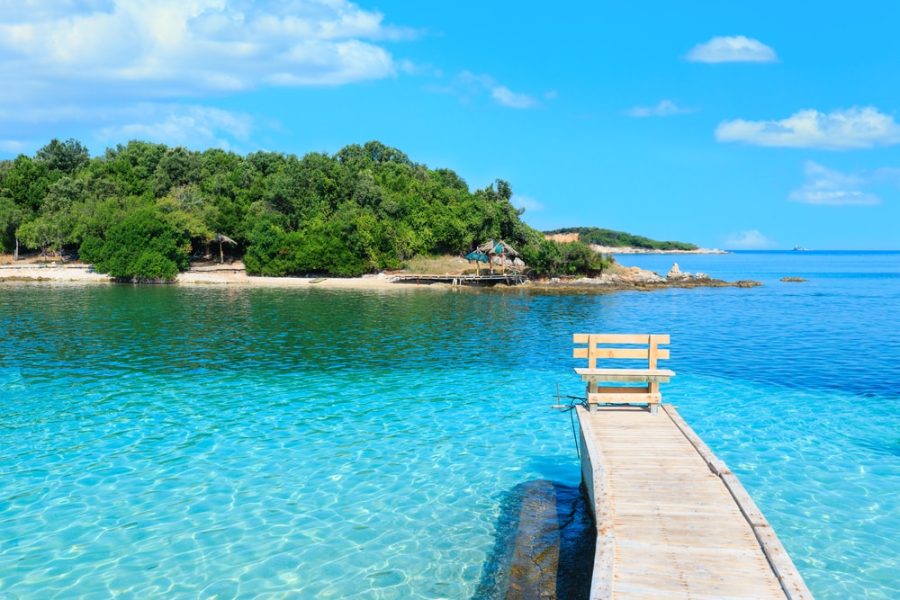
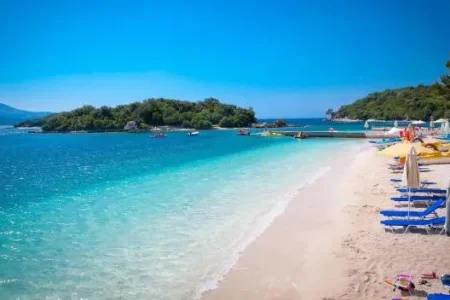
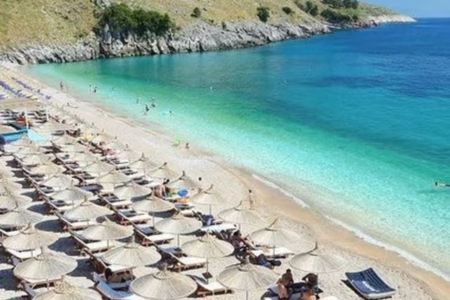
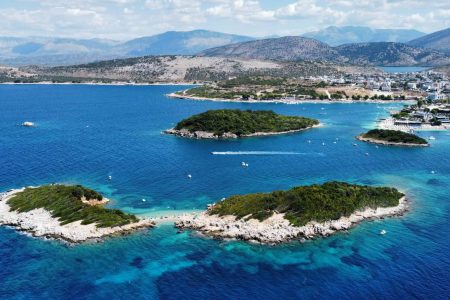
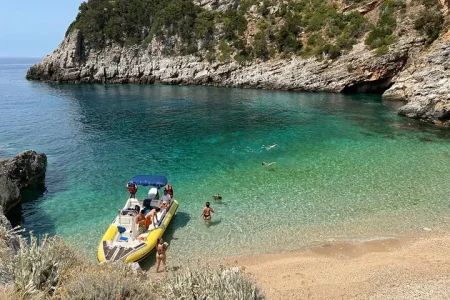
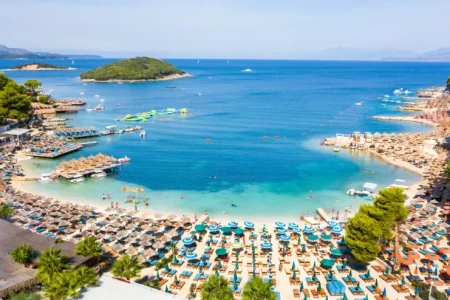
- Ksamil Beaches: Relax on pristine white sands and swim in crystal-clear waters.
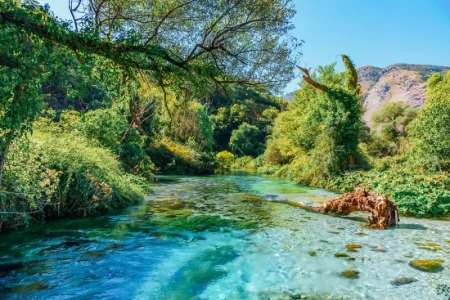
- Blue Eye Spring: Witness the turquoise spring that bubbles from deep underground.
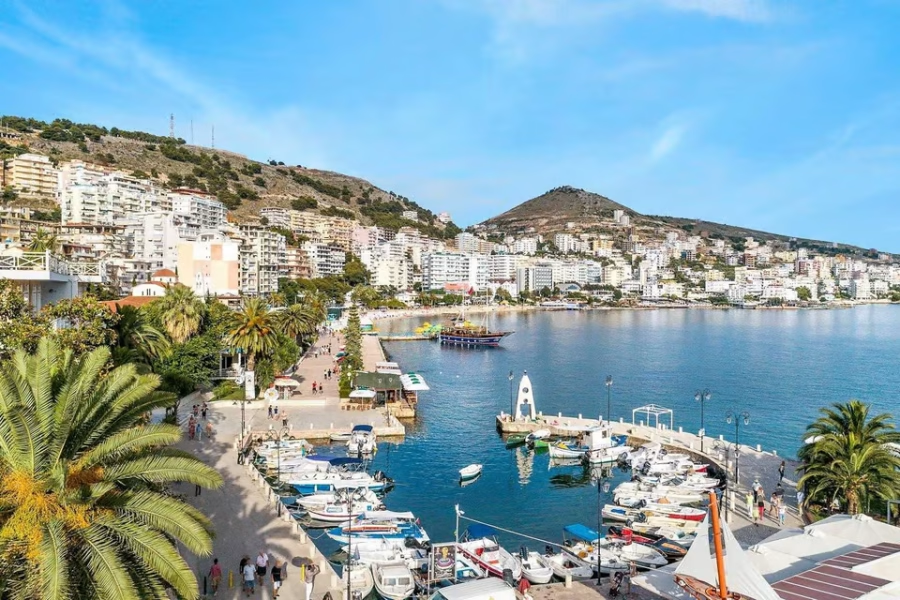
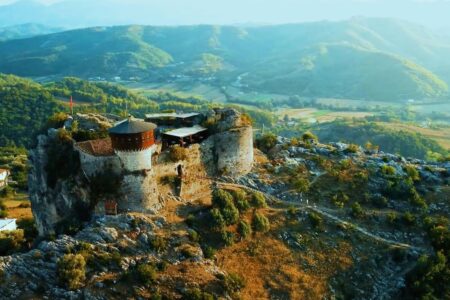
- Lekuresi Castle: Enjoy panoramic views of Saranda, Ksamil, and the surrounding coastline.
- Wildlife spotting: Observe birds and other species along Lake Butrint and wetlands.
Visiting Butrint Tips
- Best time to visit: Spring and early autumn, when weather is mild and migratory birds are present.
- Duration: Half-day tours are sufficient for the ruins, but a full day allows exploration of nature trails and nearby attractions.
- Tour options: Albaniaturism.com offers guided day trips from Saranda or combined itineraries that include Ksamil, Blue Eye, and Lekuresi Castle.
By planning your visit around these highlights, travelers can enjoy both the historical and natural richness of Butrint National Park, ensuring a well-rounded and unforgettable experience.
Practical Visitor Guide
How to Get to Butrint from Saranda or Tirana
Visiting Butrint Albania is straightforward whether you’re traveling from Saranda or Tirana. From Saranda, the park is approximately an 18 km drive, taking around 30 minutes by car or organized tour. From Tirana, travelers can expect a 4-5 hour journey, combining highway and scenic coastal roads. For stress-free travel, consider booking a guided tour through Albaniaturism.com, which includes transportation, local insights, and entry to all major attractions.
Entry Fees, Maps, and Accessibility
Entry to Butrint National Park includes access to the archaeological site and the surrounding natural areas. Tickets typically cost between €5–€10 for adults, with discounts available for students and groups. The park offers clear signage, walking paths, and visitor maps, helping you navigate both the ruins and the wetlands efficiently. While most areas are accessible to visitors of varying mobility, some sections of the ancient ruins involve uneven terrain, so comfortable shoes are recommended.
Booking a Tour with Albaniaturism
Booking a guided tour provides the most comprehensive experience. Options include half-day or full-day itineraries, often combined with nearby attractions like Ksamil beaches, Blue Eye spring, and Lekuresi Castle. Local guides share historical and ecological insights that enrich your visit, ensuring you don’t miss hidden gems. Reserve your tour through Albaniaturism.com for convenience, safety, and expert guidance.
Practical Visitor Guide
How to Get to Butrint from Saranda or Tirana
Visiting Butrint Albania is straightforward. From Saranda, the park lies just 18 km south, about a 30-minute drive via a scenic route along the Ionian coast. From Tirana, the journey takes roughly 4–5 hours, combining highway and coastal roads. For a stress-free experience, travelers can book guided tours through Albaniaturism.com, which include transport, entry tickets, and expert local guidance.
Entry Fees, Maps, and Accessibility
Entry to Butrint National Park covers both the archaeological site and surrounding natural areas. Adult tickets typically cost €5–€10, with discounts for students, children, and groups. The park provides detailed maps, clear signage, and marked walking trails, ensuring visitors can navigate the ruins and wetlands efficiently. While the majority of paths are accessible, some areas feature uneven terrain, so sturdy walking shoes are recommended.
Booking a Tour with Albaniaturism
Booking a guided tour enhances your experience, providing historical context and insider knowledge. Popular itineraries include half-day or full-day trips combining Butrint ruins with nearby attractions such as Ksamil beaches, Blue Eye spring, and Lekuresi Castle. Tours can be customized to match your pace and interests. Reserve your visit via Albaniaturism.com for convenience and peace of mind.
Conclusion
Butrint is where history and nature seamlessly intertwine, offering visitors a unique glimpse into Albania’s rich past and vibrant ecosystems. From the ancient amphitheater, baptistery, and Venetian towers to the lush Butrint National Park and serene Lake Butrint, every corner of this UNESCO World Heritage Site tells a story.
Exploring Butrint ruins alongside eco-friendly trails provides a complete experience, while nearby destinations like Ksamil, Blue Eye, and Lekuresi Castle allow travelers to enjoy the region’s beaches, springs, and panoramic views.
Why Choose Albaniaturism.com?
- Expert local guides delivering historical and ecological insights
- Seamless transport from Saranda or Tirana
- Customizable tours that combine culture and nature
- Hassle-free booking with tickets, itineraries, and maps included


















 English