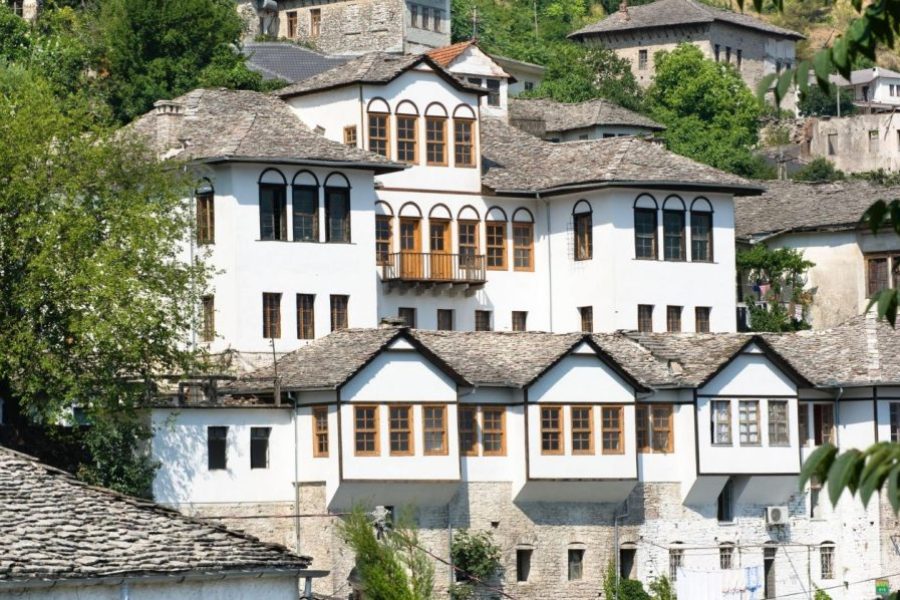
Bënja Thermal Baths Albania – What Makes These Hot Springs So Unique?
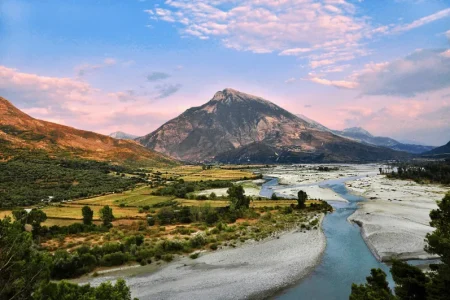
Few natural attractions in Albania combine wellness, dramatic landscapes, and raw authenticity the way Bënja Thermal Baths Albania do. Set inside the breathtaking Vjosa Valley and surrounded by lush mountains, these natural sulfur pools have become one of the most iconic wellness destinations in the Balkans. Whether you are searching for natural healing, untouched beauty, or a peaceful escape, the Bënja hot springs offer an experience that feels both ancient and refreshingly pure.
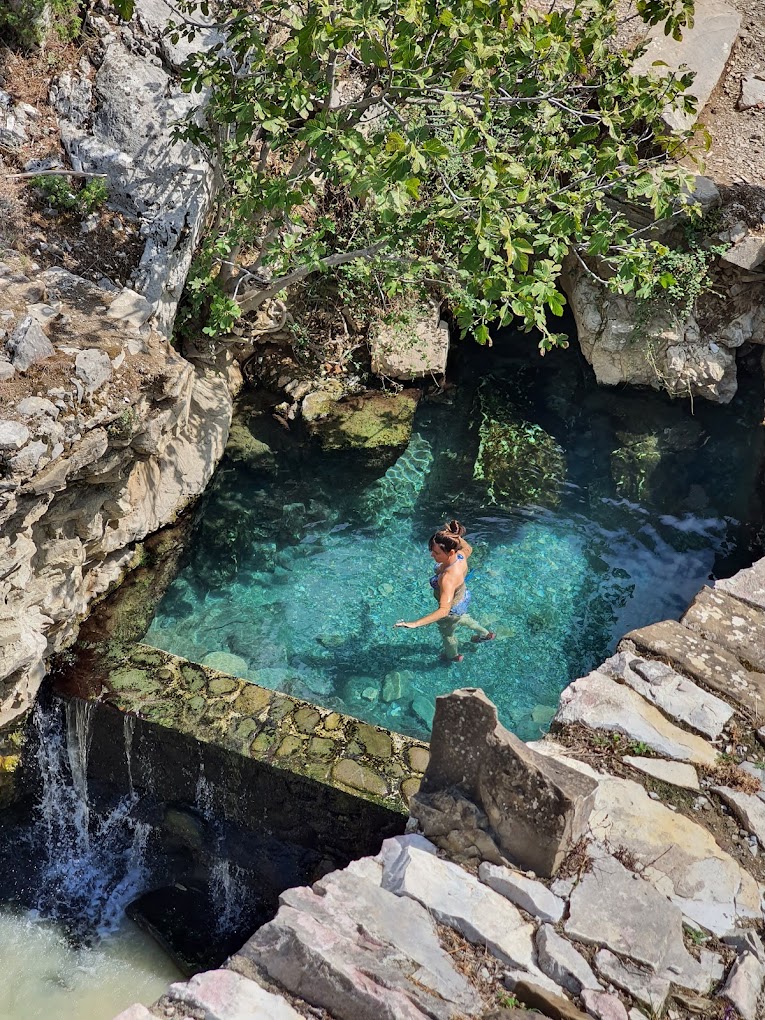
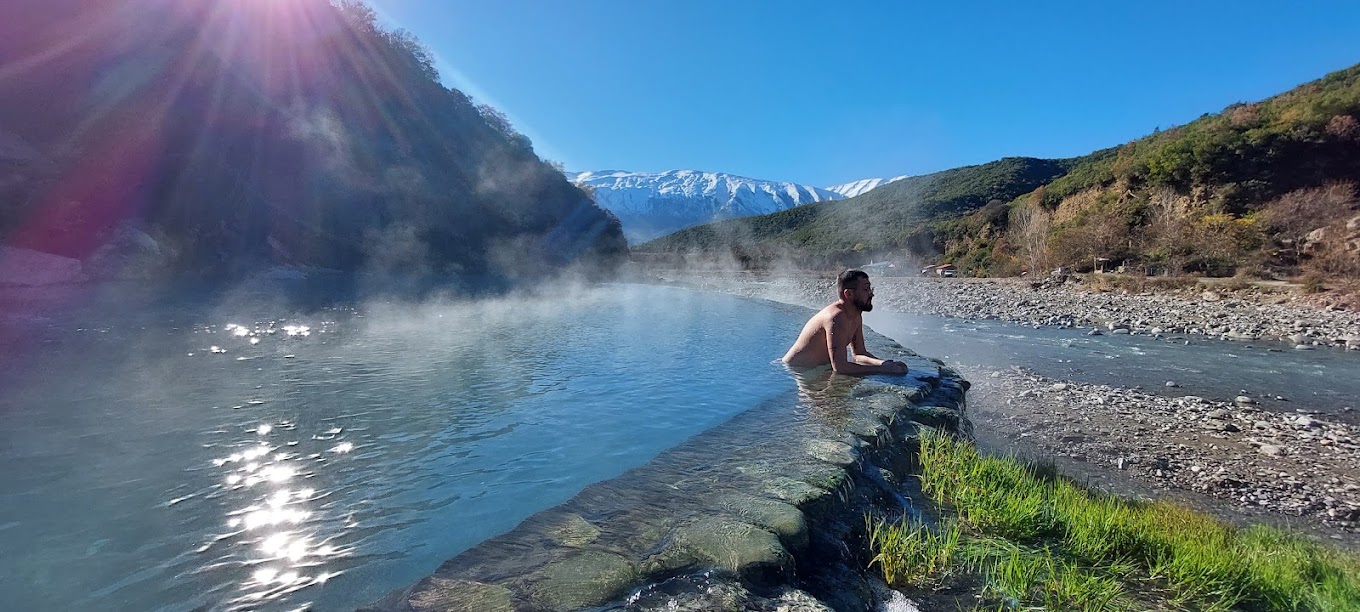
Unlike commercial spa resorts, Llixhat e Bënjës remain completely natural. The pools are formed directly by geothermal activity beneath the valley floor, creating warm, mineral-rich waters that bubble up through the earth without any artificial modification. This untouched setting not only enhances their healing properties but also preserves the profound connection between nature and local culture that has existed here for centuries.
History and Formation of Benja Thermal Baths Përmet
Bënja Thermal Baths have been used for their therapeutic value for hundreds of years. Situated near the village of Bënja, just a short drive from Përmet, these hot springs developed as part of intense geological activity below the Vjosa River, one of Europe’s last wild rivers.
Historically, locals used the springs for healing skin irritations, rheumatic pain relief, and general relaxation. The baths also appear in regional folklore, where they were believed to hold mystical cleansing powers. Even today, you will find elderly villagers bathing quietly in the early morning hours, continuing traditions passed down through generations.
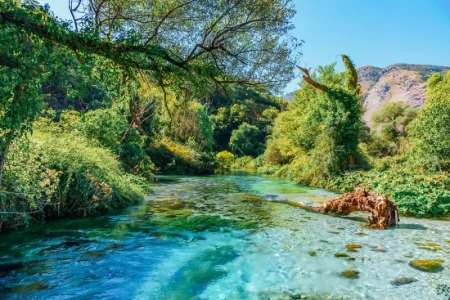
Geologically, the pools were created through the continuous release of geothermal water rich in sulfur, calcium, magnesium, and bicarbonate. The mixture creates milky turquoise waters that feel velvety and warm, especially during cooler seasons.
The Setting: Vjosa River, Lengarica Canyon, and the Iconic Stone Bridge
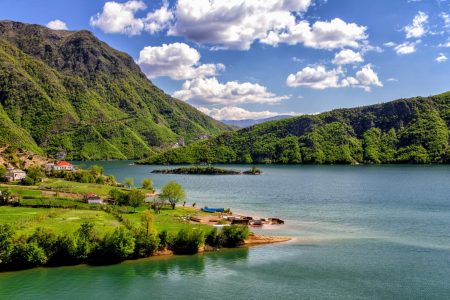
Part of what makes Benja Thermal Baths Përmet so remarkable is the surrounding landscape: expansive mountains, winding rivers, and one of the most beautiful canyons in Albania—Lengarica Canyon.
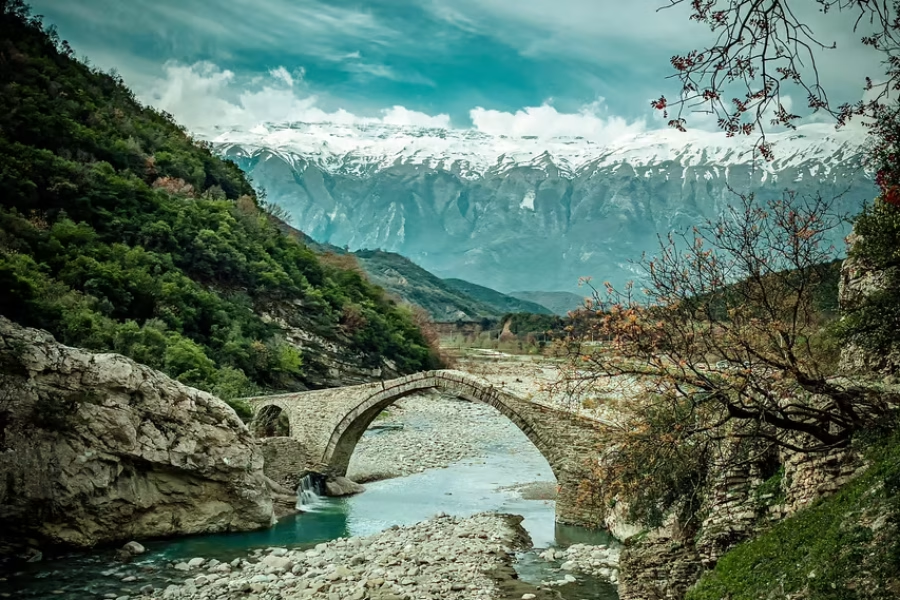
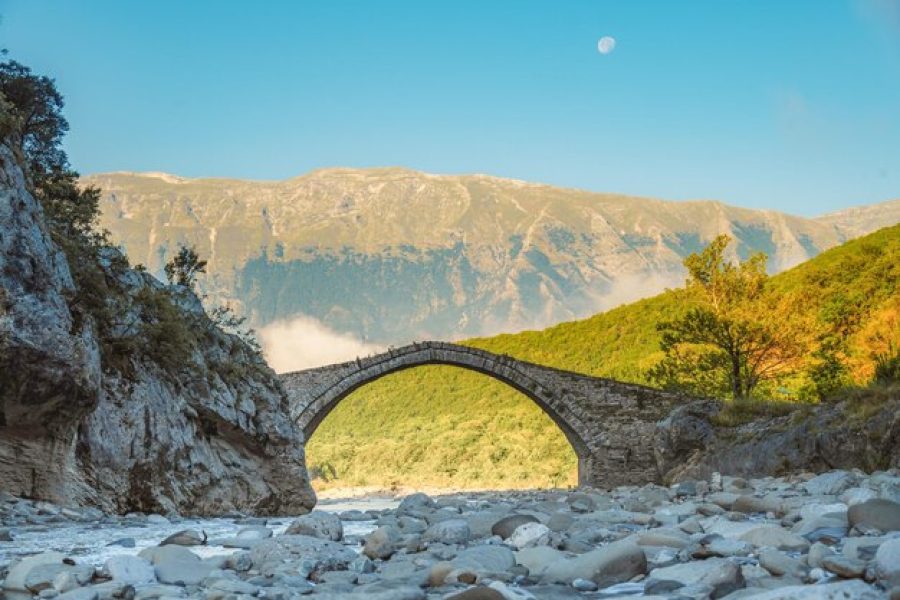
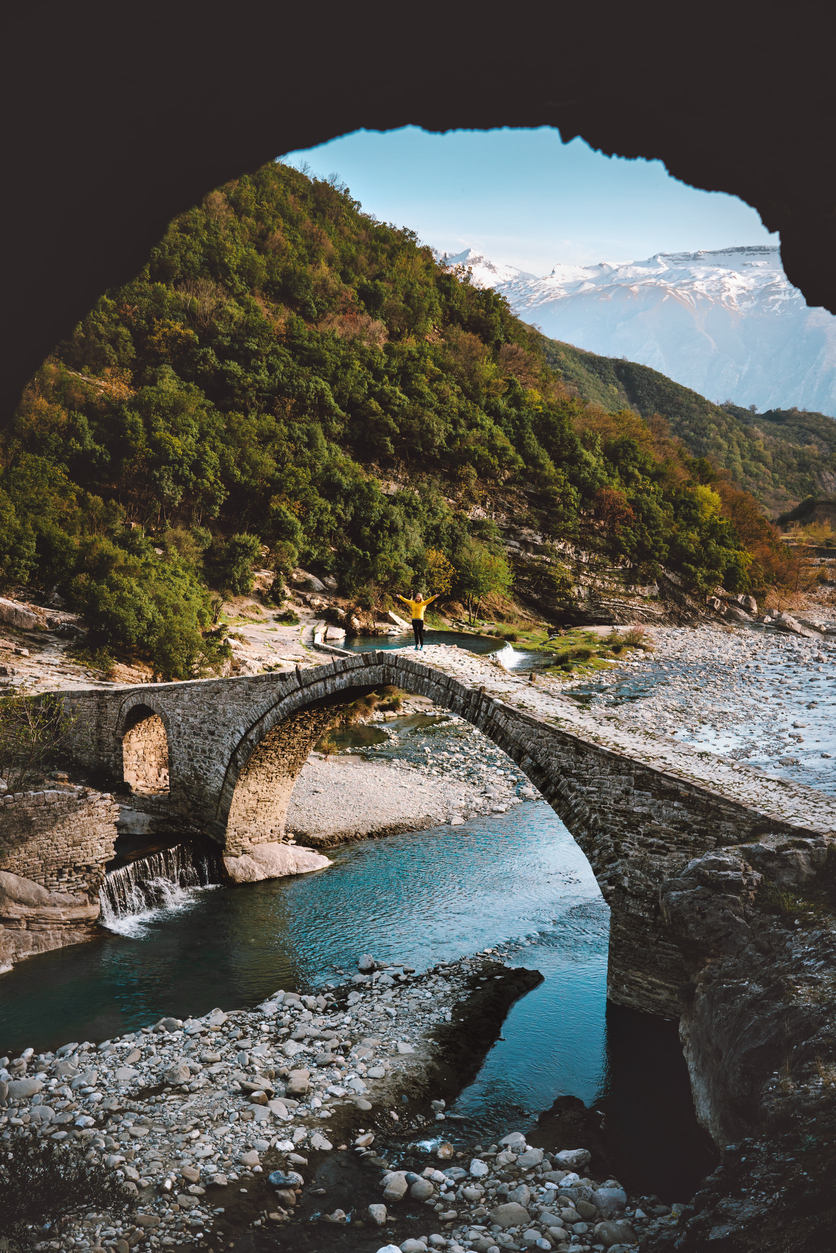
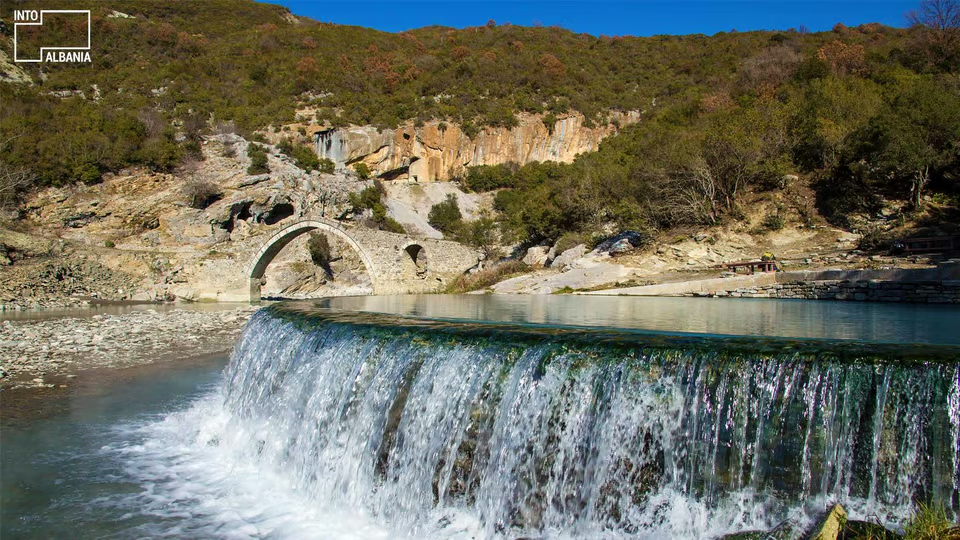
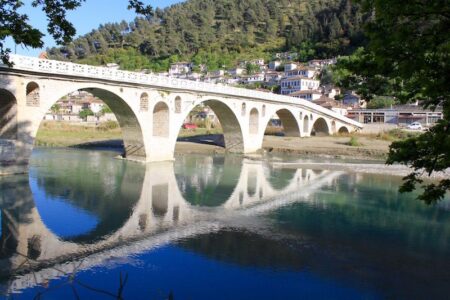
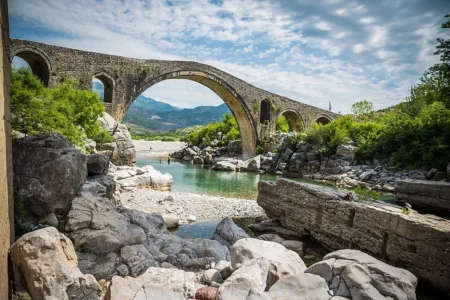
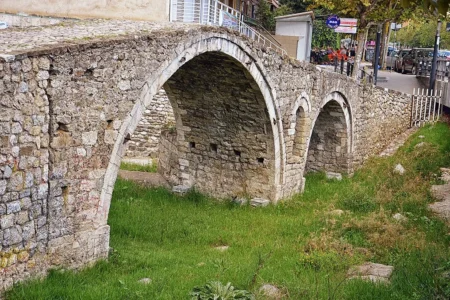
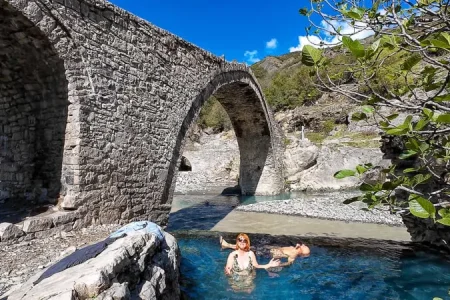
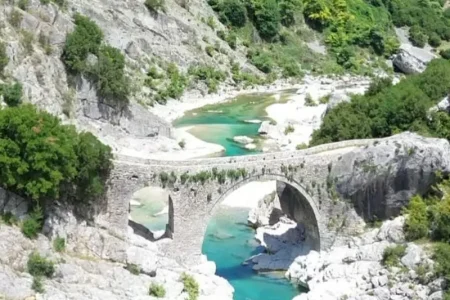
Right at the entrance of the baths stands the historic Ottoman Kati Bridge, an elegant stone arch that instantly transports visitors into another era. Locals often say that crossing the bridge is like stepping into a natural spa sanctuary sculpted by time and water.
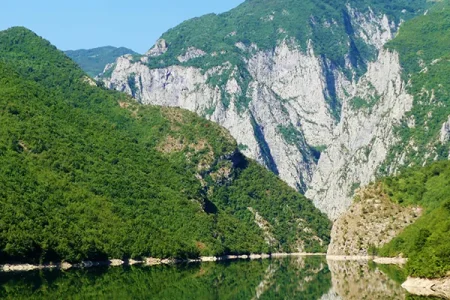
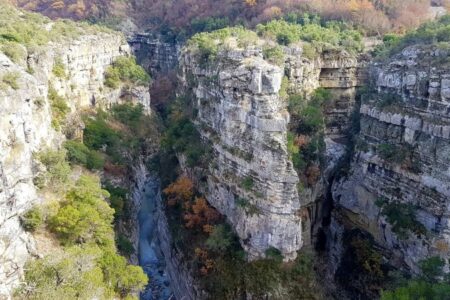
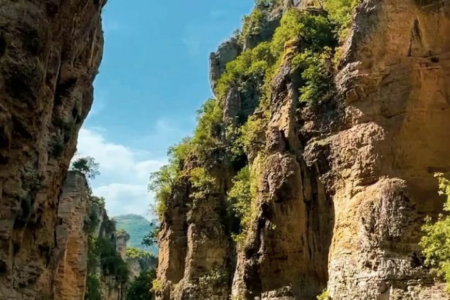
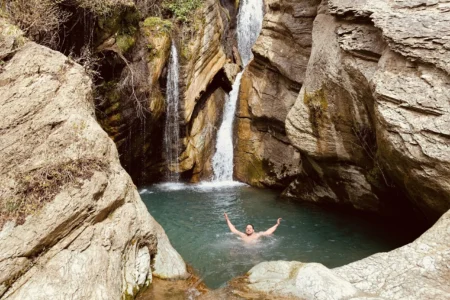
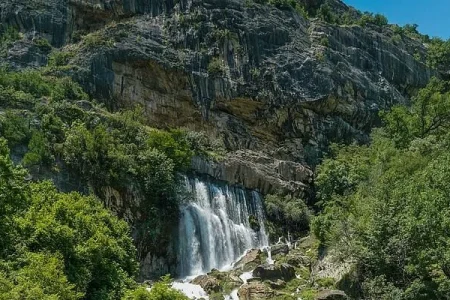
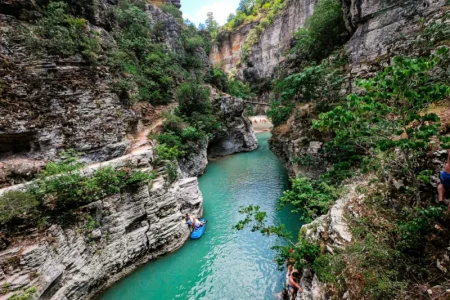
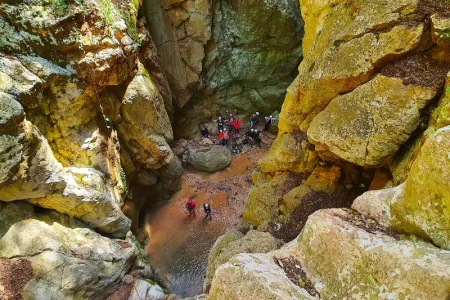
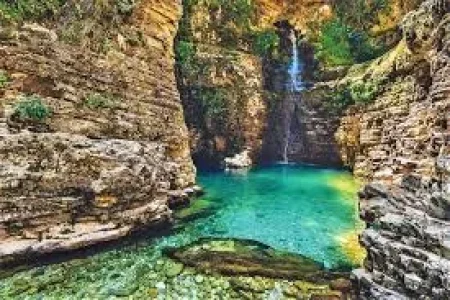
Beyond the bridge lies Lengarica Canyon, a dramatic limestone gorge with narrow passages, steep walls, and warm flowing streams. This location is a paradise for photographers, nature lovers, and adventurers looking for a half-day hike paired with hot spring relaxation.
The combination of natural pools, ancient structures, and canyon views makes Bënja a destination where wellness meets exploration—one of the many reasons travelers consistently list it among their top experiences in southern Albania.
Where Are Bënja Thermal Baths Located and How to Get There?
If you’re planning your first visit, one of the biggest questions you may have is: Where are Bënja Thermal Baths located, and how do you get there from Përmet or Tirana? Good news—reaching the baths is easy, especially if you’re already in southern Albania. The site is well-known, road access is straightforward, and the scenic drive alone is worth the journey.
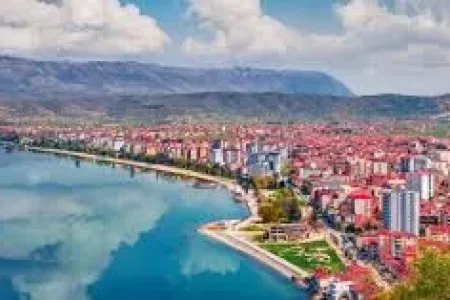
Located in the heart of the Vjosa Valley, the hot springs sit approximately 14 km southeast of Përmet, a charming town famous for wine, gliko (traditional sweets), and thermal traditions. The route to the baths follows a clearly marked road through rural landscapes, small farms, and dramatic river bends.
How to Get to Bënja Thermal Baths from Përmet
Reaching Bënja Thermal Baths Albania from Përmet typically takes 20–25 minutes by car, making it one of the easiest and most rewarding half-day trips in the region. The road was recently improved, and although some stretches remain narrow, it is suitable for all types of vehicles.
Transportation options from Përmet include:
- Taxi: The simplest choice. A round-trip taxi usually costs between €20–€30 depending on the season.
- Rental car: Ideal for flexibility. The drive is short, pleasant, and well signposted.
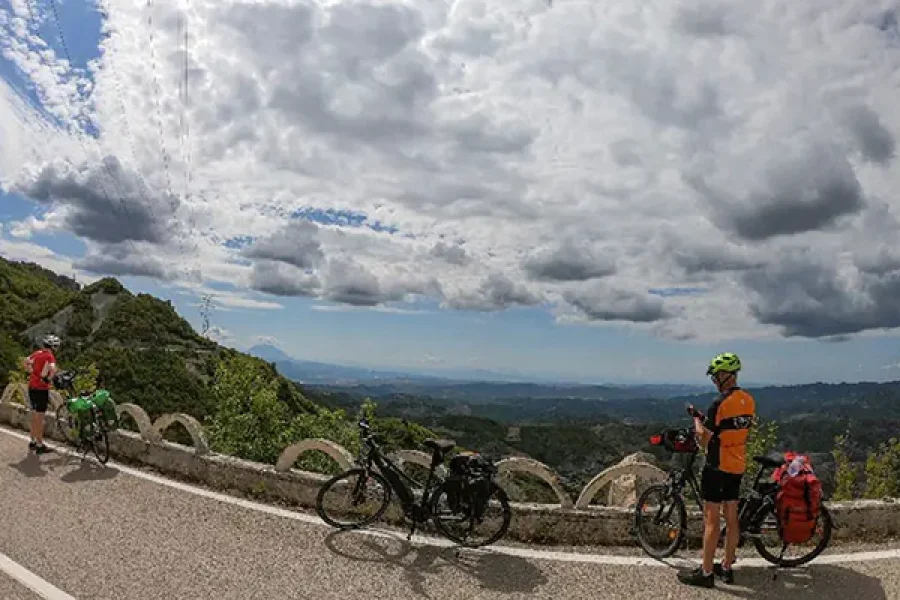
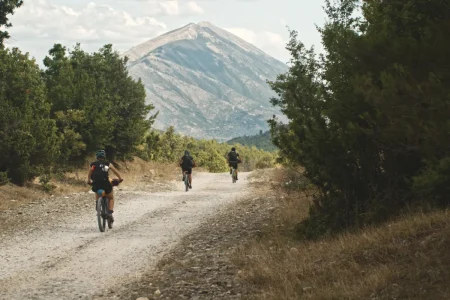
- Hiking or biking: Adventurous visitors sometimes choose to rent a bike in Përmet and cycle through the Vjosa Valley.
Upon arrival, you’ll find an unpaved parking area near the Ottoman bridge. From there, it’s a short, easy walk to the pools.
How to Get from Tirana to Bënja Thermal Baths
Traveling from the capital requires more planning, but it’s entirely worth the effort. The journey from Tirana to Bënja takes:
- 3.5 to 4.5 hours by car, depending on traffic
- 5–6 hours by bus + taxi, if using public transportation
Most travelers choose to rent a car in Tirana or join a guided tour. The recommended route is:
Tirana → Elbasan → Librazhd → Gramsh → Këlcyrë → Përmet → Bënja
This drive offers spectacular views of mountains, valleys, and the Vjosa River flowing beside the road. Another option is via Fier and Tepelenë, although this route is slightly longer.
If you prefer public transportation:
- Take a furgon (minibus) from Tirana to Përmet (several departures daily).
- From Përmet, take a taxi to Bënja.
This combination is affordable and commonly used by backpackers.
Parking, Facilities, and On-Site Navigation
At the entrance of the baths, you’ll find a wide gravel parking area where visitors can leave their cars for free or for a symbolic fee during peak seasons. From the parking area, a five-minute walk over the stone bridge leads you to multiple pools.
Facilities are minimal—no restaurants, changing rooms, or showers—so come prepared. However, this simplicity is exactly what keeps the charm of Llixhat e Bënjës intact.
Clear walking paths lead to each pool, and the terrain is relatively flat, making the site accessible for families and older visitors. Just remember that stones near the pools can be slippery, especially after rain.
What Are the Water Temperature, Mineral Content, and Health Benefits of Bënja Thermal Baths?
One of the biggest reasons travelers come to Bënja Thermal Baths is the unique combination of warm water, high mineral content, and the natural healing reputation these pools have carried for centuries. Far from artificial spa resorts, Bënja remains a completely natural environment, where geothermal water flows directly from underground sources into open-air pools beside the Vjosa River. For visitors seeking wellness, relaxation, and a meaningful connection with nature, these characteristics make Bënja one of the most soothing destinations in Albania.
Water Temperature and Mineral Composition
The temperature of the hot springs varies depending on the pool. Most pools range between 24°C and 30°C, though some can feel slightly warmer on sunny days, especially those positioned closer to source points. While this is not “hot tub” temperature, the warmth is enough to relax muscles, improve circulation, and create a pleasant bathing experience even during cooler months.
The mineral profile is what truly sets Benja Thermal Baths Përmet apart:
- Sulfur – helps cleanse the skin and supports relaxation
- Calcium – beneficial for bones and joints
- Magnesium – known for easing muscle tension
- Bicarbonate – supports natural detoxification
- Trace minerals – add to the therapeutic effect
Because of the sulfur presence, visitors will immediately notice the characteristic “egg-like” smell. This is normal—and a sign that the water is rich in natural healing elements.
Each of the pools, shaped by centuries of mineral deposit, has slightly different compositions. Locals will often point you to specific pools for particular benefits—some say one is better for the skin, another for the joints—but all of them offer a deeply soothing bathing experience.
Health Benefits of Sulfur Springs in Albania
Although Bënja is not a medical facility and cannot make medical claims, sulfur springs have been traditionally used across Europe for wellness. Many visitors report improvements in:
- Skin softness and hydration
- Mild eczema and psoriasis symptoms (non-medical anecdotal claims)
- Muscle and joint comfort
- Respiratory relaxation
- Mental stress reduction
The warmth combined with minerals creates a natural spa effect that leaves most visitors feeling calm and rejuvenated.
In Përmet, families have used Llixhat e Bënjës for generations, believing that the waters support recovery from physical strain, especially after long days of agricultural or mountain work. Today, both locals and international travelers enjoy the baths for the same natural benefits.
When Not to Bathe: Safety Notes
While the baths are safe, a few guidelines should be kept in mind:
- People with sensitive skin should limit soaking time.
- Pregnant visitors or those with cardiovascular issues should seek general wellness advice before bathing.
- Avoid getting water in the eyes due to the sulfur content.
- Stay hydrated, especially during summer months.
- Do not stay in the water longer than 20–30 minutes at a time to avoid dizziness.
These simple precautions ensure a safe and enjoyable wellness experience at Bënja Thermal Baths Albania.
Are There Entrance Fees, Best Times to Visit, and Safety Tips for Bënja Thermal Baths?
Understanding what to expect before arriving at the hot springs can make your visit much smoother. Travelers usually want to know whether the baths are free, when to avoid crowds, and how to stay safe while exploring the area. Here’s everything you need to plan your perfect visit to Bënja Thermal Baths.
Entrance Fees and On-Site Costs
As of 2025, entrance to Bënja Thermal Baths is free. There are no official ticket booths, no fences, and no set opening or closing times. This is one of the main reasons why the baths remain so appealing—they are accessible to everyone and retain their raw, untouched character.
However, during peak seasons (summer and early autumn), local volunteers or municipal workers may collect symbolic parking fees of €1–€2 to support maintenance of the area. This is not mandatory year-round but is common during busy periods.
Other potential costs you might encounter:
- Taxi from Përmet: €20–€30 round trip
- Snacks/water: Only from vendors (rare), so bring your own
- Local guided tour: Prices vary depending on the itinerary
Overall, visiting Llixhat e Bënjës remains one of the most affordable experiences in Albania.
Best Time to Visit Bënja Hot Springs Vjosa
The baths can be visited year-round, but each season offers a different atmosphere:
Spring (March–May)
- Mild temperatures, blooming nature, excellent for photography
- Ideal for combining the baths with Lengarica Canyon hikes
Summer (June–August)
- Warm weather, but the pools may feel less hot due to the sun
- More visitors, especially on weekends
- Best for families and longer swimming sessions
Autumn (September–November)
- Lower crowds, beautiful colours, pleasant water temperature
- Many consider autumn the best season for a relaxing visit
Winter (December–February)
- Cold air + warm water creates a magical experience
- Best for wellness-focused travellers
- Roads are usually accessible, but occasional snow in January may slow travel
For the best photos, sunrise and late afternoon provide golden light across the pools and bridge.
Safety Tips for Visiting Llixhat e Bënjës
To ensure a safe and comfortable visit:
- Wear water shoes: Stones can be slippery.
- Mind the sulfur smell: It’s natural, but some visitors may need time to adjust.
- Keep valuables secure: The area is open with no lockers.
- Bring sunscreen and a hat: There is little natural shade.
- Watch your step: Some pool edges are uneven due to mineral deposits.
- Avoid visiting during heavy rain: The river can rise quickly.
These simple precautions ensure a smooth and enjoyable experience at Benja Thermal Baths Përmet, especially if you plan to explore both the pools and the surrounding canyon.
What Activities Pair Well with a Visit to Bënja Thermal Baths, Like Lengarica Canyon or Vjosa River?
A visit to Bënja Thermal Baths is rarely just about soaking in warm sulfur waters. What makes this destination truly exceptional is the combination of natural wellness, adventure, and breathtaking landscapes all in one compact area. The region around Bënja is part of the spectacular Vjosa Valley—Europe’s first Wild River National Park—making it an ideal place to combine relaxation with outdoor experiences.
Whether you’re a casual traveler, photographer, nature lover, or adventure seeker, the surrounding attractions elevate your visit into a full-day experience you’ll remember for years.
Lengarica Canyon Baths – The Perfect Post-Hike Reward
One of the best pairings with the thermal baths is a hike through Lengarica Canyon, located just a few steps beyond the iconic Ottoman Kati Bridge. This is one of Albania’s most beautiful gorges, carved naturally over centuries by the Lengarica River.
Visitors can choose between:
- A short, easy canyon walk suitable for families
- A deeper canyon exploration, where you follow the river through narrow passages
- Photography-focused walks, perfect for capturing limestone walls, turquoise water, and dramatic landscape contrasts
After exploring the canyon, slipping back into the warm pools of Bënja Thermal Baths feels like the ideal recovery—your muscles loosen, fatigue fades, and you get to unwind in nature’s own spa.
Vjosa River Activities Near Bënja
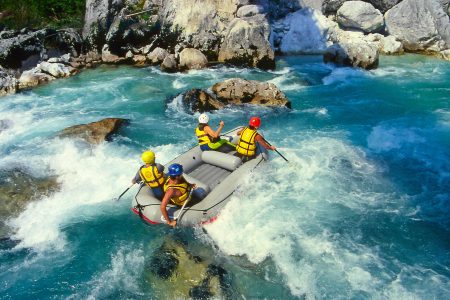
Because the baths lie in the heart of the Vjosa River basin, many travelers choose to spend part of the day exploring the river itself. The Vjosa is one of the last wild rivers in Europe, flowing freely from Greece to the Adriatic Sea without dams or artificial modification. This untouched ecosystem offers outdoor activities such as:
- Rafting (mostly available in spring and early summer)
- Kayaking
- Riverside picnics
- Wild swimming in designated safe zones
- Eco-walks led by local guides
The blend of cold river water and warm geothermal pools creates a unique contrast that nature lovers appreciate.
Përmet Town: Culture, Food, and Wine
Since most visitors pass through Përmet on their way to the baths, it’s the perfect opportunity to explore this charming town known as the “City of Roses.” Top activities include:
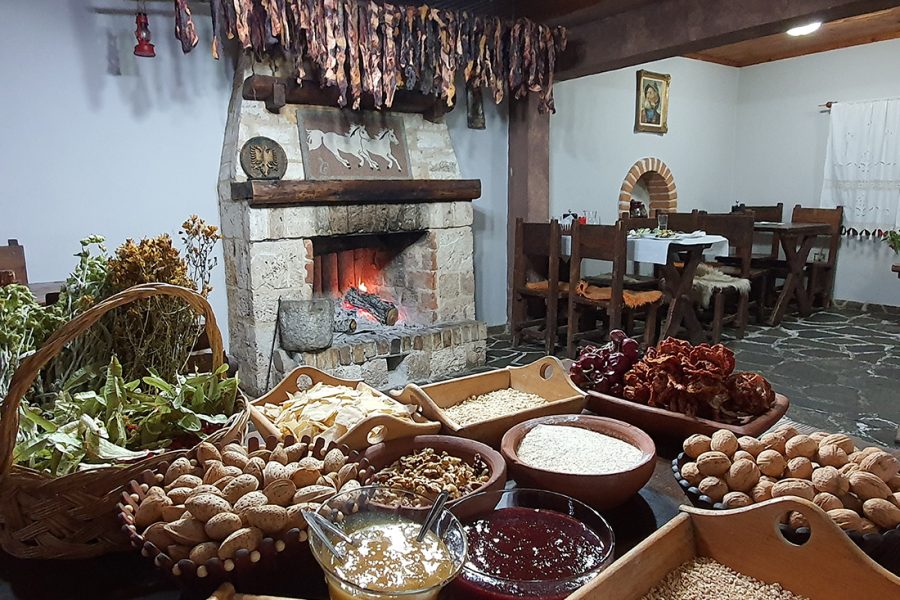
- Tasting traditional gliko, the famous fruit preserve
- Sampling Përmet wines—especially local red varietals
- Visiting the calm Vjosa riverside promenade
- Exploring nearby villages such as Leusë and Bual
Many travelers choose to return to Përmet for lunch or dinner after their bath experience. The region is known for organic farm-to-table food and warm Albanian hospitality.
Adventure, Wellness & Culture in One Day
What makes Benja Thermal Baths Përmet so remarkable is the versatility of activities:
- Morning: Canyon hike
- Midday: Thermal bath relaxation
- Afternoon: Vjosa River exploration
- Evening: Wine tasting in Përmet
Few destinations in Albania offer such a balanced combination of adventure and wellness within such a small radius.
Can You Stay Overnight Near Bënja Thermal Baths, and What Accommodations Are Available?
Visitors often ask whether it’s possible to stay directly next to Bënja Thermal Baths. While there are no hotels or guesthouses at the pools themselves (and this is part of their natural charm), the surrounding area—especially Përmet—offers excellent accommodation options for every budget. From cozy family-run guesthouses to boutique eco-hotels, the region has grown into a welcoming hub for travelers exploring the Vjosa Valley.
Accommodation in Përmet (Best & Closest Option)
The majority of travelers choose to stay in Përmet, which is just 20–25 minutes from the thermal baths. The town has seen a rise in tourism over the last decade, leading to the development of comfortable and authentic places to stay.
You will find:
- Boutique guesthouses with mountain and river views
- Family-run hotels offering homemade breakfasts
- Eco-lodges emphasizing sustainability
- Budget-friendly hostels for backpackers
Staying in Përmet allows you to enjoy both nature and culture. Many properties offer traditional Albanian meals, local wine, and warm hospitality—important elements that elevate your overall experience.
Rural Stays Near Bënja Thermal Baths
For travelers seeking silence, nature immersion, or a countryside retreat, several small villages around Bënja offer unique stays. These accommodations often include:
- Stone houses restored with local materials
- Farm experiences (gardening, cheese-making, wine tasting)
- Quiet evenings without light pollution
- Access to hiking trails and mountain paths
While not directly next to the baths, they offer a more immersive feel with views of the Vjosa Valley.
Eco-Lodges and Guesthouses Along the Vjosa River
In recent years, eco-lodges have become increasingly popular in southern Albania. Many of them are designed to respect the environment and blend harmoniously with the Vjosa landscape.
Staying in these eco-lodges provides:
- Riverside views
- Organic meals sourced from local farms
- Opportunities for guided hikes, rafting, or canyoning
- Peaceful surroundings ideal for relaxation
Several properties offer packages that include transport to Llixhat e Bënjës, making logistics easy.
Who Should Stay Overnight in the Area?
Spending a night near Benja Thermal Baths Përmet is ideal for:
- Wellness travelers seeking full relaxation
- Photographers and nature enthusiasts
- Hikers exploring the Vjosa Valley
- Couples looking for a peaceful retreat
- Families wanting an easy day-trip structure
By staying overnight, you avoid crowds, enjoy sunrise or sunset visits to the baths, and have more time to explore canyon trails without rushing.
Comparing Bënja Thermal Baths to Other Natural Thermal Pools in Albania
Travelers researching Bënja Thermal Baths often want to understand how they compare to other natural hot springs across Albania. This helps them decide whether Bënja is worth the trip—and the answer, for most visitors, is a strong yes. While Albania has several geothermal locations, none combine scenery, accessibility, water quality, and outdoor adventure as perfectly as Bënja.
Bënja vs. Peshkopia Thermal Waters
The thermal waters in the Peshkopia region (northeastern Albania) are known for their consistent high temperature and long-standing use in traditional wellness treatments. However, they differ from Bënja in several ways:
- Urban environment vs. Bënja’s open wilderness
- More structured facilities, but fewer natural pools
- Longer travel time from Tirana
- No canyon or river activities nearby
For travelers prioritizing nature, photography, and tranquil landscapes, Bënja Thermal Baths offer a much richer experience.
Bënja vs. Elbasan Tull-tulla Hot Springs
The Tull-tulla hot spring near Elbasan is popular with locals and is characterized by a single main geothermal source. While warm and therapeutic, it lacks the diversity of pools and geological features found in Bënja.
Key differences include:
- Bënja has multiple natural pools, each with different mineral compositions
- The Lengarica Canyon experience is unique to Bënja
- Scenic value and panoramic landscapes are far superior at Bënja
Travelers seeking the classic “wild hot spring” experience consistently rate Bënja higher.
Bënja vs. Ballsh Thermal Springs
Ballsh also offers geothermal waters rich in sulfur, but the environment is more industrial, with fewer services tailored to travelers. Bënja, in contrast, benefits from being next to Përmet—a town known for hospitality, food, and tourism services.
What Makes Bënja Thermal Baths Stand Out?
Travelers consistently highlight four elements that make Bënja the most memorable natural thermal experience in Albania:
1. Landscape Diversity
Few thermal areas in the Balkans offer this combination:
- Ottoman bridge
- Canyon entrance
- Vjosa River views
- Multiple pools surrounded by mountain terrain
2. Accessibility
You can reach Bënja via paved roads, even in winter, making it ideal for short trips from Tirana or Gjirokastër.
3. All-Day Experience
Visitors can combine:
- Thermal baths
- Canyon hiking
- River exploration
- Wine tasting in Përmet
Most other thermal sites offer only a single activity.
4. Pure, Raw Nature
Unlike private spa complexes, Bënja Thermal Baths maintain a sense of untouched wilderness. The waters flow exactly as they have for centuries, making the experience feel authentic and deeply calming.
For travelers comparing options, Bënja remains the leading choice for anyone seeking natural wellness, outdoor adventure, and dramatic scenery in the same destination.
Visitor Experience, Testimonials, and Realistic Scenarios for Your Bënja Thermal Baths Trip
To help travelers imagine what a day at Bënja Thermal Baths really feels like, it’s useful to look at real visitor experiences, typical travel scenarios, and the emotions people often describe after their visit. These stories not only build trust but also help readers visualize their own journey to this remarkable natural site.
What Visitors Commonly Say About Bënja Thermal Baths
Travelers repeatedly describe three standout impressions:
1. “Much More Beautiful Than Expected.”
Many expect simple pools, but they are surprised by the dramatic backdrop of mountains, the old stone bridge, and the canyon. Visitors often say photos don’t fully capture the scale and peacefulness of the area.
2. “The Warm Water Feels Great After the Canyon Walk.”
Almost everyone who explores the Lengarica Canyon returns to the pools with a strong sense of reward. The shift from cool canyon air to warm sulfur water creates a deeply relaxing sensation.
3. “It’s One of the Most Unique Places in Albania.”
Those who have traveled widely in the Balkans regularly place Bënja among their top nature experiences, especially because it remains undeveloped and natural.
A Typical Traveler Day at Bënja: What to Expect
Morning: Arrival and First Soak
Most travelers arrive around 9–10 AM when the air is still cool and the pools are quiet. Early morning offers the most peaceful experience, with warm sunlight touching the mountains and fewer crowds.
You walk across the iconic stone bridge, step into the first pool, and immediately feel the warmth rising around your legs. Within minutes, stress begins to fade.
Midday: Canyon Walk and Photography
After drying off, visitors head into Lengarica Canyon, walking beside the river, taking photos, or exploring deeper sections depending on comfort level. The canyon walls rise dramatically, creating perfect natural framing for landscape shots.
Afternoon: Second Bath + Picnic
Returning to the pools after hiking makes the water feel even more soothing. Many visitors pack fruit, snacks, and water since there are no restaurants on-site. Sitting beside the pools with views of the mountains is often described as “pure tranquility.”
Evening: Return to Përmet for Dinner
After the baths, most travelers drive back to Përmet for a traditional dinner—often with dishes like gliko, lamb, or fresh goat cheese. The day naturally winds down with a calm, satisfied feeling that only a wellness-focused nature trip can provide.
Why These Experiences Matter
These testimonials and scenarios highlight the emotional value of visiting Benja Thermal Baths Përmet:
- You disconnect from daily stress
- You reconnect with nature
- You enjoy a simple yet powerful wellness experience
- You leave feeling lighter, calmer, and re-energized
The combination of scenery, soft warm water, canyon exploration, and peaceful atmosphere creates a sense of freedom most travelers don’t expect—and that is exactly why Bënja continues to be one of Albania’s most beloved natural attractions.
Practical Information for Visiting Benja Thermal Baths
Visiting the Benja Thermal Baths is one of the most relaxing and memorable experiences in southern Albania, and knowing a few practical details will help you make the most of your trip. The baths are located near the town of Përmet, approximately 3 hours from Tirana and easily reached by car or organised tour. The road leading to the thermal area is scenic, passing through the iconic Këlcyra Gorge and the lush Vjosa River valley.
There is a small entrance fee to access the thermal pools, which helps support maintenance of the natural site. The best time to visit is during spring and autumn when temperatures are mild, the water is comfortably warm, and the landscape is at its most vibrant. Summer is also popular, though afternoons can be hot. Winter visits are possible, and many travellers enjoy the unique contrast of cold air and naturally warm mineral water.
Facilities around the baths are minimal: there are no changing rooms, lockers, or restaurants directly at the pools. Visitors are advised to bring swimwear, towels, water, and appropriate footwear for moving around the rocky terrain. The nearby village of Përmet offers accommodation, traditional restaurants, and small shops where you can stock up on essentials before heading to the site.
For those seeking a deeper experience, Benja Thermal Baths can be combined with hiking the Lengarica Canyon, exploring the Ottoman stone bridge, or enjoying the region’s traditional cuisine, including the famous Përmet gliko. Whether you’re visiting for wellness, adventure, or photography, the Benja Thermal Baths provide a perfect natural escape.






 English