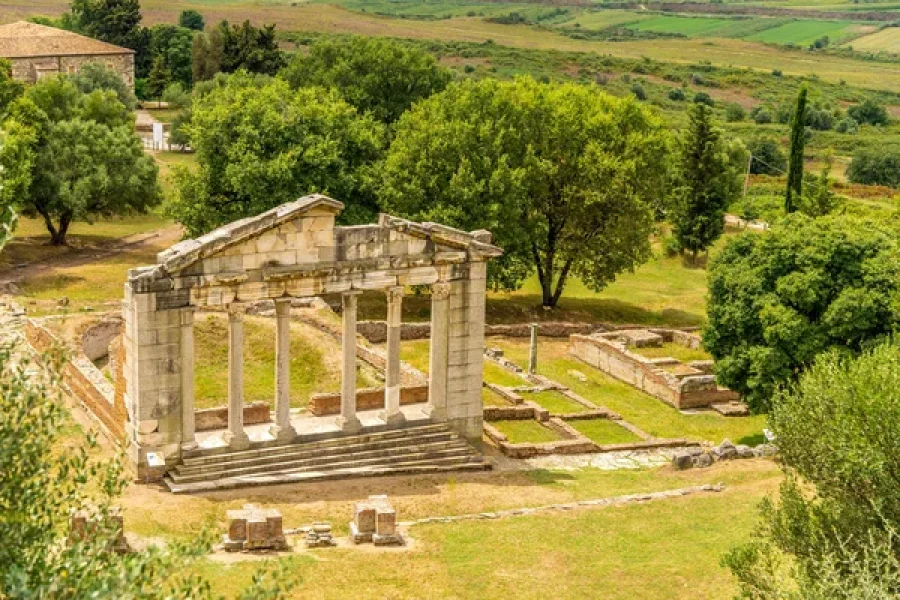
Apollonia is one of Albania’s most important ancient cities and archaeological sites, offering visitors a unique journey into the heart of the country’s rich Greek and Roman heritage. Nestled near the Vjosa River in the Fier region, this remarkable city once flourished as a center of trade, culture, and education, leaving behind a wealth of ruins that continue to captivate historians, tourists, and archaeology enthusiasts alike. From intricately preserved mosaics to grand temples and the famous ancient theater, Apollonia is a treasure trove for those eager to explore Albania’s ancient past.
Visitors to Apollonia are treated not only to impressive archaeological remains but also to a stunning natural landscape. The city’s strategic location along the Vjosa River allowed it to thrive economically and culturally, shaping its influence throughout the region. Today, Apollonia offers an immersive experience where history comes alive through guided tours, self-guided walks, and detailed exploration of the ruins. Whether you are a history buff, a family looking for an educational outing, or simply a traveller seeking an off-the-beaten-path destination, Apollonia promises an unforgettable experience.
Booking a guided tour with Albaniaturism.com ensures that you gain the most from your visit, with expert guides sharing insights into the city’s fascinating past, the stories behind each ruin, and tips for navigating the site. Visiting Apollonia is more than just a sightseeing trip—it is a chance to walk in the footsteps of ancient Greeks and Romans, marvel at their architectural genius, and connect with Albania’s cultural heritage in a meaningful way.
History of Apollonia
Apollonia ancient city is a testament to Albania’s rich historical tapestry, blending Greek colonization, Roman prosperity, and centuries of cultural development. Founded in the 6th century BC by Greek settlers from Corfu and Corinth, Apollonia quickly became a thriving urban center. Its strategic position along the Vjosa River allowed it to dominate trade routes and become a hub of commerce and education in the region. The city’s name itself is derived from the Greek god Apollo, reflecting its cultural and religious significance in the ancient world.
Greek Influence and Early Development
The early years of Apollonia were marked by impressive urban planning and architectural innovation. Greek colonists established temples, porticos, and civic buildings that emphasized both function and aesthetic appeal. The city’s religious structures, including the Temple of Artemis, reflected the deep spiritual and cultural values of its inhabitants. Mosaics and sculptures from this period showcase intricate artistry, revealing a city that was not only economically prosperous but also culturally sophisticated.
Education also flourished in Apollonia. Historical records indicate that the city hosted one of the most prestigious schools in the region, attracting philosophers, orators, and scholars. Roman historian Cicero, during his youth, studied here, highlighting Apollonia’s significance as a center of learning and intellectual life.
Roman Era: Growth and Prosperity
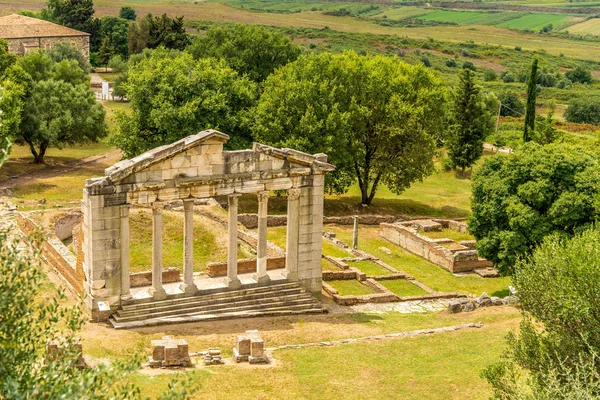
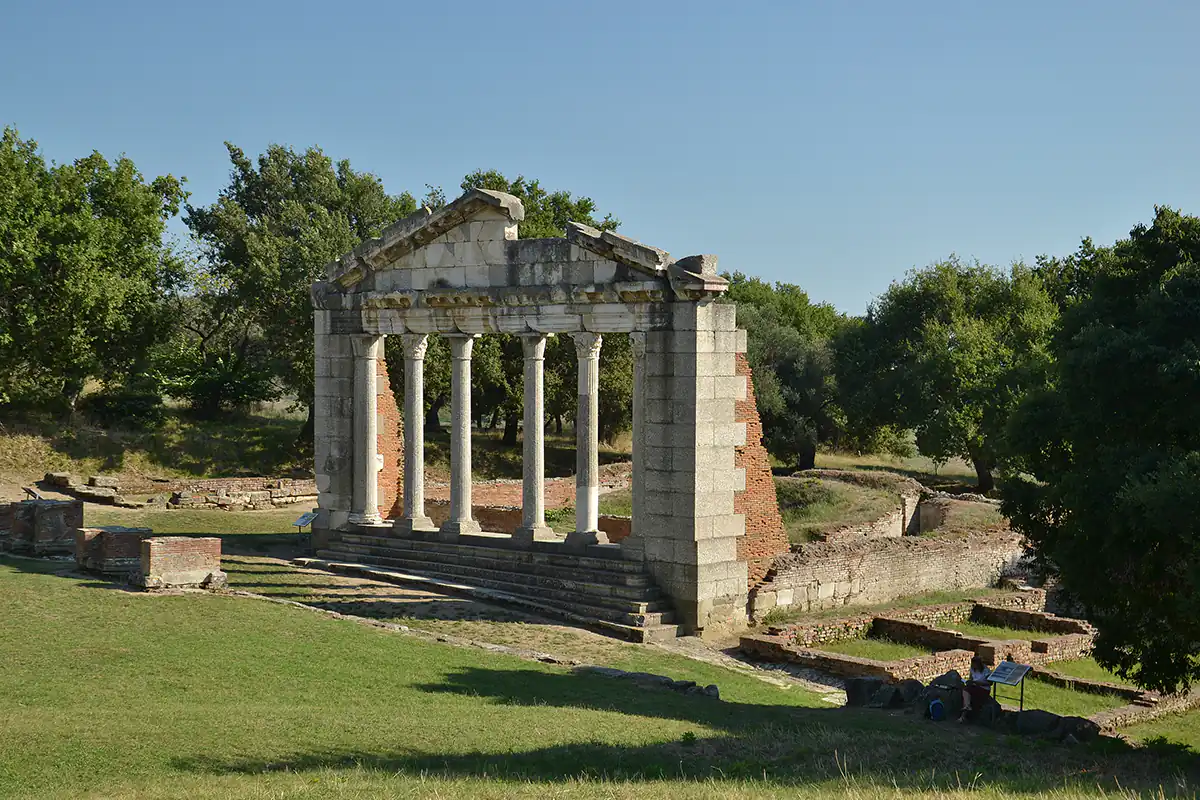
Apollonia’s fortunes continued under Roman rule, becoming an important provincial capital and a key point in the Roman road network. The city expanded with grand public buildings, theaters, and civic spaces, demonstrating Roman architectural influence alongside its Greek foundations. During this period, the city’s wealth and cultural prominence peaked, leaving a legacy of impressive ruins that still stand today.
The Roman era also saw the construction of monumental arches, mosaics, and porticos, many of which have been partially preserved, offering visitors a glimpse into the grandeur of the ancient city. The fusion of Greek and Roman styles created a unique architectural identity for Apollonia, making it a site of exceptional archaeological and historical value.
Cultural Heritage and Modern Recognition
Over the centuries, Apollonia experienced periods of decline, particularly during the medieval era, yet its ruins have endured as a symbol of Albania’s cultural heritage. Today, it is recognised as one of the country’s most important archaeological sites, attracting both national and international attention. Preservation efforts have safeguarded its mosaics, theaters, temples, and civic buildings, allowing visitors to explore the site much as it might have appeared thousands of years ago.
The city’s historical significance extends beyond its ruins. Apollonia provides invaluable insight into the evolution of urban planning, art, and education in ancient Albania. Its well-preserved structures serve as a living classroom for historians, archaeologists, and visitors alike. By walking through Apollonia’s streets and exploring its temples and theaters, tourists can experience a tangible connection to the past, appreciating the ingenuity and cultural richness of ancient civilizations.
Why Apollonia Should Be on Your Travel List
Visiting Apollonia archaeological site is not just about seeing old stones; it’s about stepping into history. Every corner of the city tells a story—from the bustling marketplace areas to the serene temples and elaborate mosaics. By joining a guided tour through Albaniaturism.com, visitors gain access to detailed historical insights, expert anecdotes, and curated pathways that highlight the most significant ruins and monuments.
Whether you are interested in ancient Greek culture, Roman architecture, or Albania’s archaeological treasures, Apollonia offers a profound and engaging experience. The combination of historical depth, cultural richness, and natural beauty makes it an essential stop for anyone exploring Albania, offering memories that linger long after the visit ends.
What to See in Apollonia
Exploring the Apollonia ruins offers a captivating glimpse into Albania’s ancient past, with monuments, temples, mosaics, and theaters that reflect centuries of Greek and Roman influence. Visitors to this archaeological site can wander through streets once bustling with merchants, scholars, and citizens, marveling at the remnants of one of the most important cities in the region.
Apollonia Ancient Theater
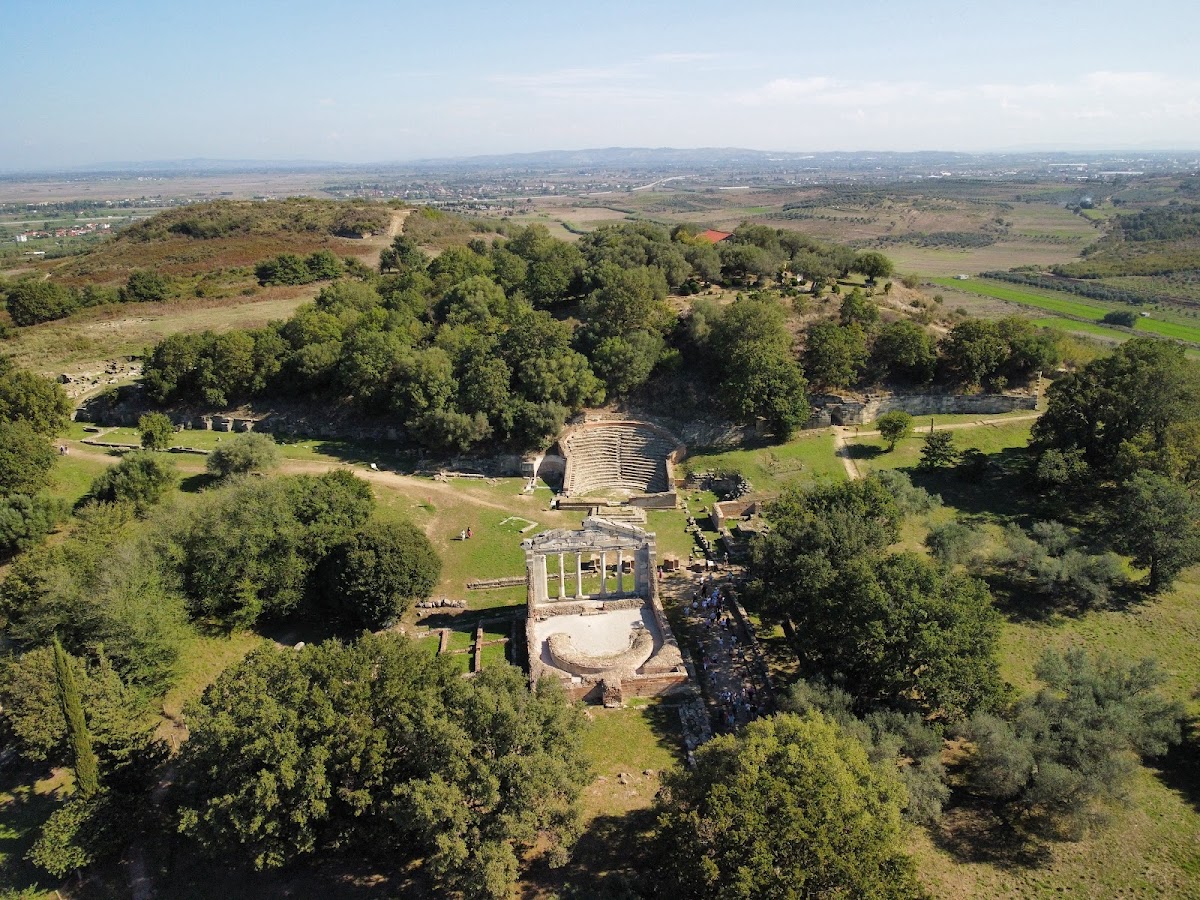
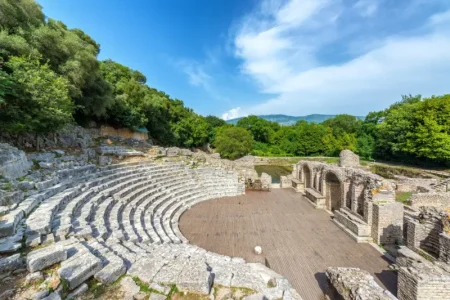
The Apollonia ancient theater is one of the site’s most impressive structures. Built during the Roman period, this theater could accommodate thousands of spectators and served as a venue for dramatic performances, political gatherings, and public events. Today, visitors can walk along the stone seating, imagine the performances that once took place, and admire the architectural ingenuity that allowed the structure to endure for centuries.
Temples and Religious Sites
Religious life in Apollonia was centered around its temples, including the Temple of Artemis, dedicated to the goddess of hunting and protector of the city. These temples reflect the city’s Greek heritage, with classical columns, intricate carvings, and a design that emphasizes symmetry and harmony. Exploring these sites provides insight into the spiritual and cultural practices of the city’s ancient inhabitants.
Mosaics and Porticos
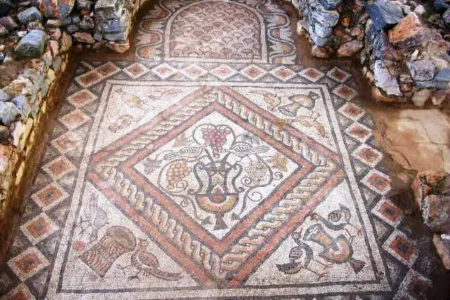
The Apollonia mosaics are another highlight of the city. These floor artworks, often featuring geometric patterns, mythological scenes, and floral motifs, demonstrate the advanced artistic skills of ancient craftsmen. Porticos, or covered walkways, connect key areas of the city, offering both practical shelter and elegant architectural lines. Walking through these structures gives a sense of the city’s civic organization and aesthetic sensibilities.
Other Ruins to Discover
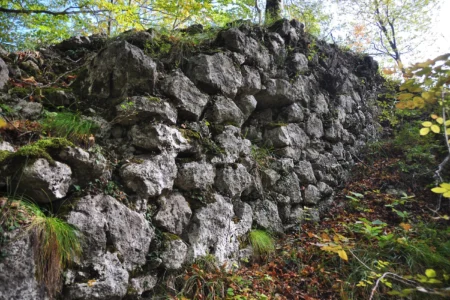
Beyond the theater and temples, Apollonia features a range of other ruins, including the remnants of residential areas, public squares, and administrative buildings. Archaeologists continue to uncover artifacts that reveal the daily life, commerce, and education of the city’s ancient population. Each discovery adds depth to your visit, allowing you to engage directly with history.
Visitor Tip: For the best experience, consider a guided tour with Albaniaturism.com. Guides provide detailed context, historical anecdotes, and hidden insights that transform a simple walk through ruins into a rich educational journey.
Visitor Information and Tours
Planning a visit to Apollonia is straightforward, but understanding the practical details ensures a smooth and enriching experience. Whether you prefer a self-guided exploration or a structured tour, the site caters to all types of visitors.
How to Get There
Apollonia is located near the town of Fier in southern Albania. Visitors from Tirana can reach the site by car in approximately two and a half hours, while those travelling from Sarandë or Vlora will enjoy scenic routes along the Albanian countryside. Public transport options are limited, so renting a car or booking a tour is recommended for convenience and flexibility.
Opening Hours and Entrance Fees
The Apollonia archaeological site is generally open daily, with extended hours during the summer months. Entrance fees are modest, ensuring accessibility for most visitors. Guided tours are available for an additional cost and often include detailed explanations of the city’s ruins, mosaics, and theaters.
Guided Tours and Albaniaturism.com Options
For the most comprehensive experience, guided tours through Albaniaturism.com are highly recommended. Options include:
- Half-Day Tours: Focused on the main ruins, mosaics, and ancient theater.
- Full-Day Tours: Include a deeper exploration of residential areas, porticos, and temples, with historical storytelling.
- Combined Cultural Tours: Pair Apollonia with nearby attractions like Ardenica Monastery or Berat for a full Albanian heritage experience.
Guided tours offer benefits beyond convenience: they provide historical context, interpret archaeological findings, and give insider tips for photography and exploration.
Best Time to Visit
Spring and autumn are ideal for visiting Apollonia, when temperatures are comfortable, and the site is less crowded. Summer can be hot, making early morning visits preferable. Winter visits are possible but require preparation for colder conditions.
Visitor Tips
- Wear comfortable walking shoes, as the terrain can be uneven.
- Bring water and sun protection, especially during summer.
- Photography is allowed, but respect any restricted areas.
- Educational families can enjoy interactive learning by reading on-site plaques or joining a guide for detailed explanations.
Visiting Apollonia is not just about seeing ancient ruins; it’s about experiencing the living history of a city that shaped Albania’s cultural and intellectual heritage. With careful planning, practical tips, and the option of guided tours through Albaniaturism.com, your visit will be both enjoyable and deeply enriching.
Nearby Attractions
Apollonia’s location in southern Albania makes it an ideal base for exploring a variety of nearby attractions, combining history, nature, and cultural experiences. Visitors looking to extend their itinerary will find numerous sites within easy reach, offering a rich and diverse Albanian adventure.
Ardenica Monastery
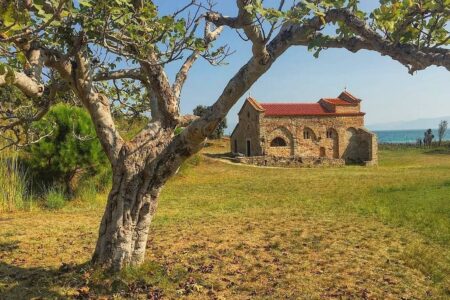
Just a short drive from Apollonia, the Ardenica Monastery is a 13th-century Orthodox site nestled on a hilltop with panoramic views of the surrounding countryside. Known for its stunning frescoes and historical significance, the monastery provides insight into Albania’s medieval religious culture. Combining a visit here with Apollonia gives travellers a seamless journey from ancient Greek and Roman history to medieval spiritual heritage.
Fier Beaches
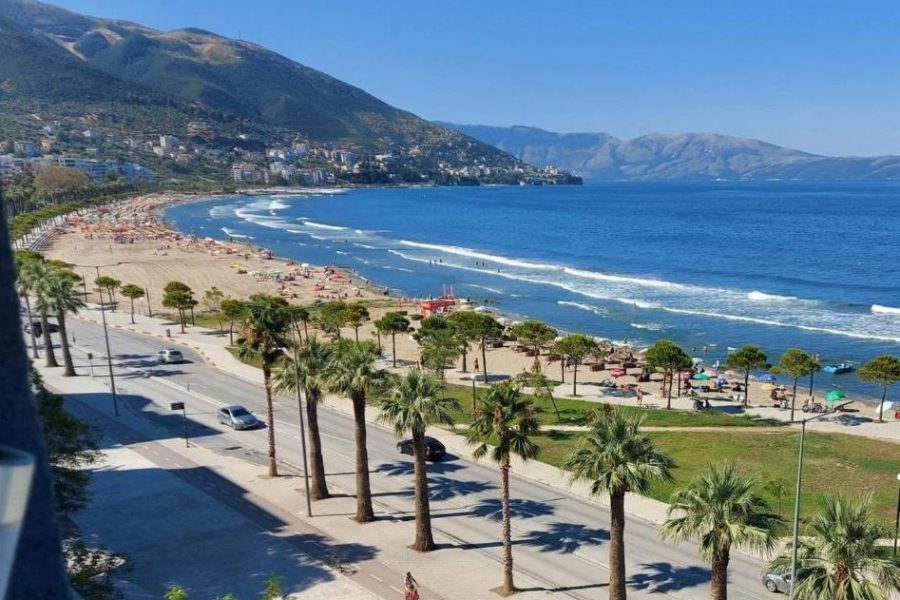
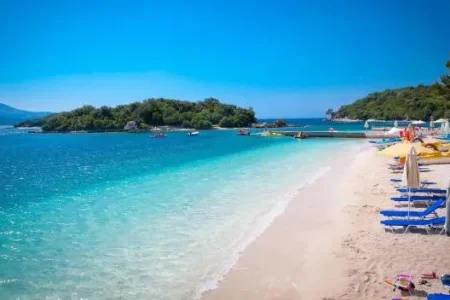
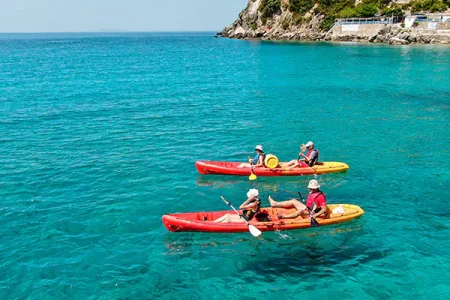
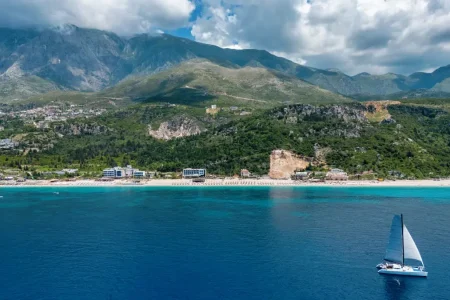
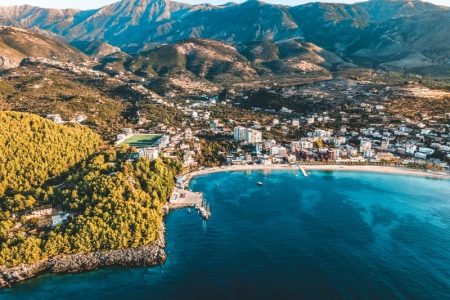
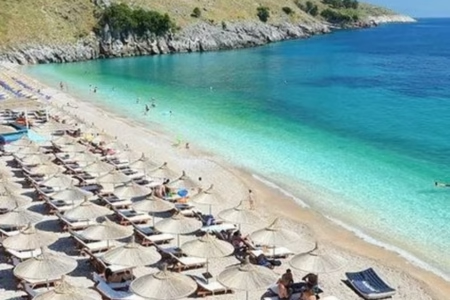
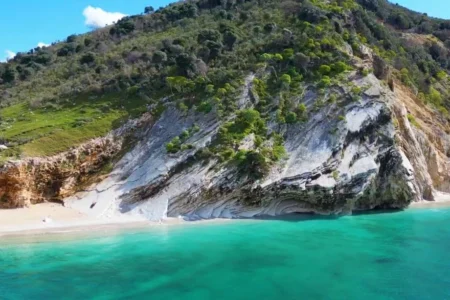
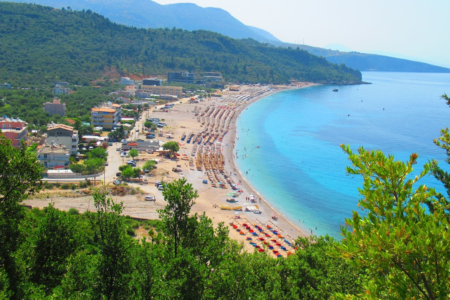
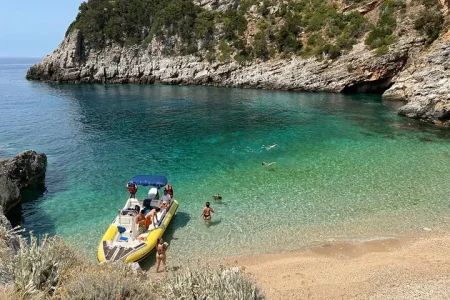
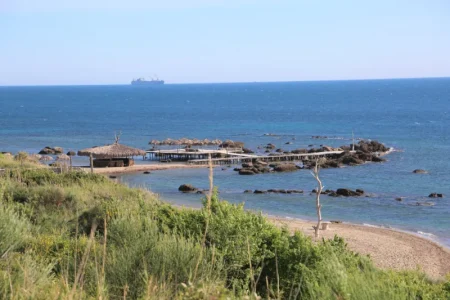
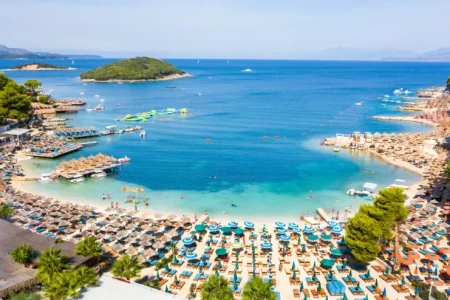
The coastal area near Fier features several pristine beaches along the Adriatic Sea. These Fier beaches offer the perfect opportunity to relax after exploring archaeological ruins. With clear waters and soft sand, families and solo travellers alike can enjoy swimming, sunbathing, and leisurely walks along the shore. Including a beach stop complements a cultural itinerary with a touch of natural relaxation.
Berat Tours
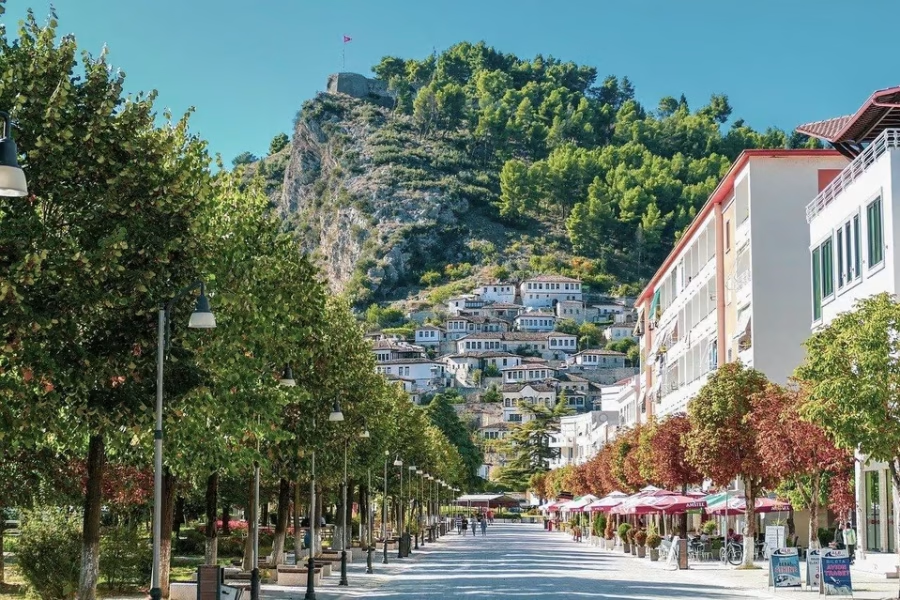
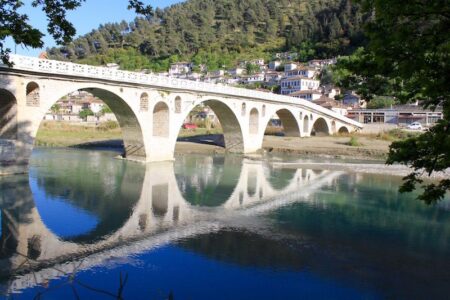
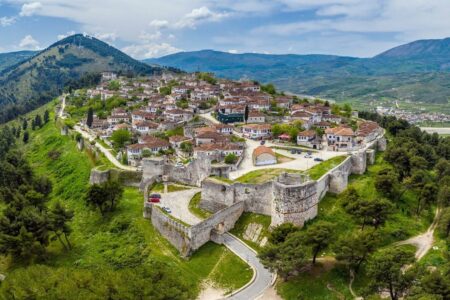
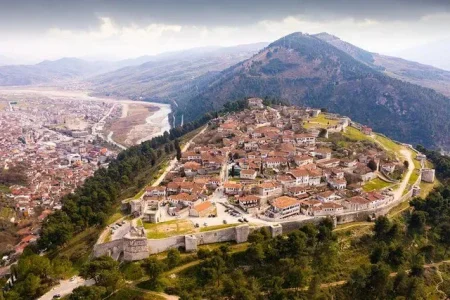
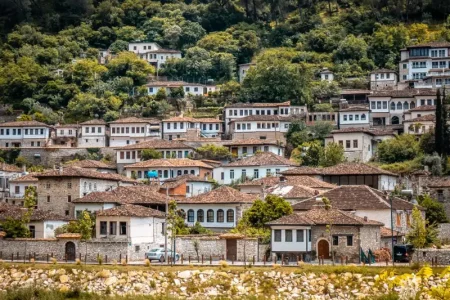
A UNESCO World Heritage city, Berat is one of Albania’s most iconic destinations, famed for its Ottoman-era architecture, hilltop castle, and scenic old town. Many travellers combine Apollonia and Berat in a single day trip or multi-day itinerary, creating a full cultural immersion. A guided tour linking the two sites via Albaniaturism.com ensures smooth transport and expert commentary on both destinations.
Divjake-Karavasta National Park
For nature enthusiasts, Divjake-Karavasta National Park is a short drive from Apollonia. Known for its wetlands, lagoons, and diverse birdlife—including the rare Dalmatian pelican—the park offers hiking, birdwatching, and eco-tourism experiences. Adding this stop to your Apollonia visit allows travellers to enjoy the region’s natural beauty alongside its rich historical heritage.
Travel Tip: Combining Apollonia with these nearby attractions makes for a full and memorable Albanian itinerary. Albaniaturism.com can organize day trips or extended tours, ensuring you see the best of the region efficiently and comfortably.
Cultural and Natural Surroundings
Beyond its ruins, Apollonia is surrounded by a landscape that has shaped its history and cultural development. The city’s location along the Vjosa River Apollonia corridor allowed it to prosper as a hub of trade, learning, and settlement, while the surrounding Albanian countryside adds scenic charm to every visit.
Vjosa River and Landscape
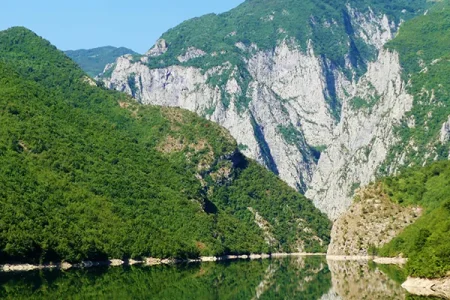
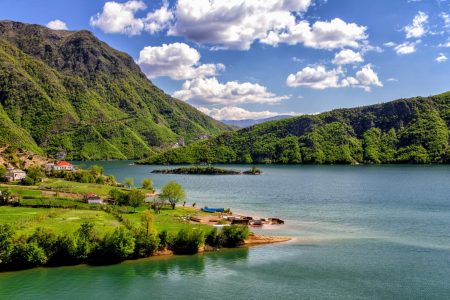
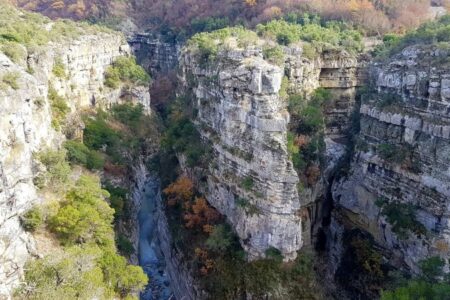
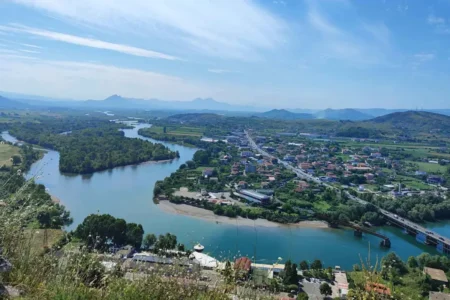
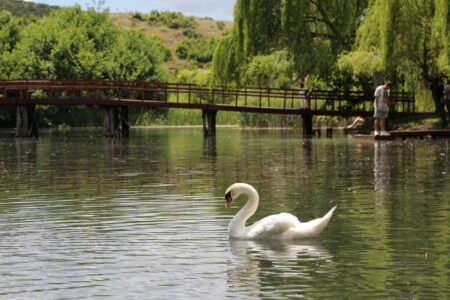
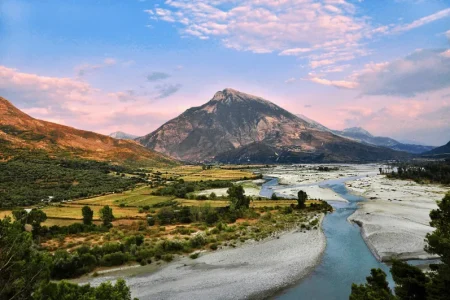
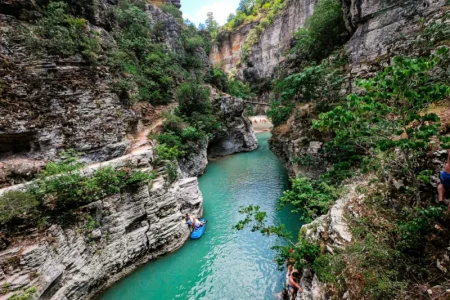
The meandering Vjosa River provided Apollonia with fertile land and strategic access for trade and communication. Today, the river and its banks create a serene backdrop for exploring the ruins, offering opportunities for nature photography, walking, and quiet contemplation. The combination of historical structures and natural beauty enhances the visitor experience, making Apollonia a destination that appeals to both history buffs and nature lovers.
Albanian Heritage Sites Near Apollonia
The region surrounding Apollonia is dotted with Albanian heritage sites, including Ottoman-era villages, ancient monasteries, and small towns that preserve traditional customs. Visiting these areas alongside Apollonia provides a broader understanding of Albania’s diverse cultural landscape. Each stop tells a story of how geography, trade, and cultural exchange shaped the lives of inhabitants over centuries.
Local Traditions and Lifestyle
The local communities around Apollonia maintain centuries-old traditions, from artisanal crafts to culinary specialties. Sampling local dishes, participating in seasonal festivals, or visiting small artisan workshops allows travellers to connect with the living culture of the region. This cultural immersion complements the historical exploration of Apollonia, creating a well-rounded travel experience.
Why the Surroundings Enhance Your Visit
Exploring the Apollonia landscape beyond the ruins transforms a simple archaeological visit into a full cultural and natural experience. Walking along the river, observing the countryside, and engaging with local traditions deepen your appreciation of how the city developed and thrived. Guided tours from Albaniaturism.com often include these excursions, blending history, culture, and nature into a seamless itinerary.
Travel Tip: Allocate extra time to explore the surroundings. Even a short walk along the river or a visit to a nearby village can enrich your understanding of Apollonia and its historical significance.
All You Need to Know About Apollonia
Exploring Apollonia raises several common questions among visitors. Here we provide detailed answers to help plan your visit and make the most of your experience.
Where is Apollonia located in Albania?
Apollonia is situated near the town of Fier in southern Albania, approximately 17 km from the city centre. Its strategic location along the Vjosa River Apollonia corridor contributed to its historical importance as a trade hub. Visitors from Tirana can reach the site by car in around two and a half hours, making it an accessible destination for a day trip or part of a longer cultural itinerary.
What is the historical significance of Apollonia?
Apollonia ancient city was a major cultural, educational, and economic centre from its founding in the 6th century BC through the Roman era. Greek settlers established temples, schools, and civic buildings, while Romans later expanded the city with theaters, mosaics, and porticos. The site offers insights into ancient urban planning, education, and religious practices, making it a crucial link in Albania’s archaeological heritage.
What are the main ruins to see in Apollonia?
Visitors can explore a variety of remarkable ruins:
- Apollonia ancient theater – a Roman-era structure for performances and public events.
- Temples – including the Temple of Artemis, showcasing Greek architectural influence.
- Mosaics and porticos – intricate artworks and covered walkways connecting public areas.
- Residential and civic ruins – providing a glimpse into daily life and city organization.
How can I visit Apollonia? Are there guided tours?
You can visit Apollonia independently or through guided tours. Albaniaturism.com offers a range of options, including half-day and full-day tours, as well as combined itineraries with nearby attractions like Ardenica Monastery and Berat. Guided tours provide expert historical insights, curated paths through the ruins, and practical tips to enhance your visit.
What is the best time of year to visit Apollonia?
Spring and autumn are ideal, with mild temperatures and fewer crowds. Summer visits are possible but can be hot, so early mornings are recommended. Winter visits require preparation for cooler weather, but the site remains accessible.
Are there any entrance fees for the Apollonia archaeological site?
Yes, the archaeological site charges a modest entrance fee. Guided tours with Albaniaturism.com typically include entry fees in the package price, providing a seamless and hassle-free experience.
What other tourist attractions are near Apollonia?
Nearby highlights include:
- Ardenica Monastery – medieval Orthodox monastery with panoramic views.
- Fier beaches – relaxing Adriatic coastline.
- Berat – UNESCO World Heritage city with Ottoman-era architecture.
- Divjake-Karavasta National Park – wetlands and diverse wildlife for nature lovers.
Is Apollonia suitable for family visits and educational trips?
Absolutely. The site offers educational opportunities for children and adults alike, with accessible ruins, informative plaques, and guided tours. Families can combine history lessons with outdoor exploration, creating an enriching experience for all ages.
Conclusion
Visiting Apollonia is more than a journey into Albania’s ancient past—it is an opportunity to connect with a city that shaped regional culture, education, and commerce for centuries. From its Greek temples and Roman theaters to intricate mosaics and well-preserved ruins, Apollonia offers a rich tapestry of historical, architectural, and cultural wonders.
Surrounded by the scenic Vjosa River Apollonia landscape and linked to nearby attractions like Ardenica Monastery, Fier beaches, Berat, and Divjake-Karavasta National Park, a visit to Apollonia can easily become part of a multi-day exploration of southern Albania. This combination of history, culture, and nature ensures that every visitor leaves with lasting memories and a deeper understanding of the region.
For a seamless and enriching experience, booking a guided tour through Albaniaturism.com is highly recommended. Expert guides provide historical context, curated pathways through the ruins, and tips for exploring the surrounding area efficiently. Whether you are a history enthusiast, a family on an educational outing, or a traveller seeking an immersive cultural experience, Apollonia promises a journey like no other.
Step back in time and uncover the secrets of Apollonia. Book your guided tour today with Albaniaturism.com and experience one of Albania’s most captivating ancient cities firsthand.














 English