Divjakë is one of Albania’s most important natural destinations, forming the heart of the Divjakë-Karavasta National Park, a protected area famous for its pristine coastal wetlands, vast pine forests, and the iconic Karavasta Lagoon. Located on the Adriatic coast in western Albania, the region is a haven for travellers seeking untouched nature, peaceful landscapes, and some of the country’s richest biodiversity. What sets Divjakë apart is its rare combination of ecosystems—lagoons, dunes, marshes, and forest—all concentrated within a single, easily accessible area just a short drive from Tirana.
This unique coastal zone covers over 22,000 hectares and plays a vital ecological role in the Mediterranean basin. Its position along major migratory routes makes it a crucial stopover point for hundreds of bird species, while its shallow waters, salt marshes, and mudflats create ideal feeding habitats for endangered wildlife. The first impression visitors get is one of vast open space—untouched, quiet, and deeply connected to the rhythms of nature.
Coastal Landscapes, Lagoons, and Pine Forests
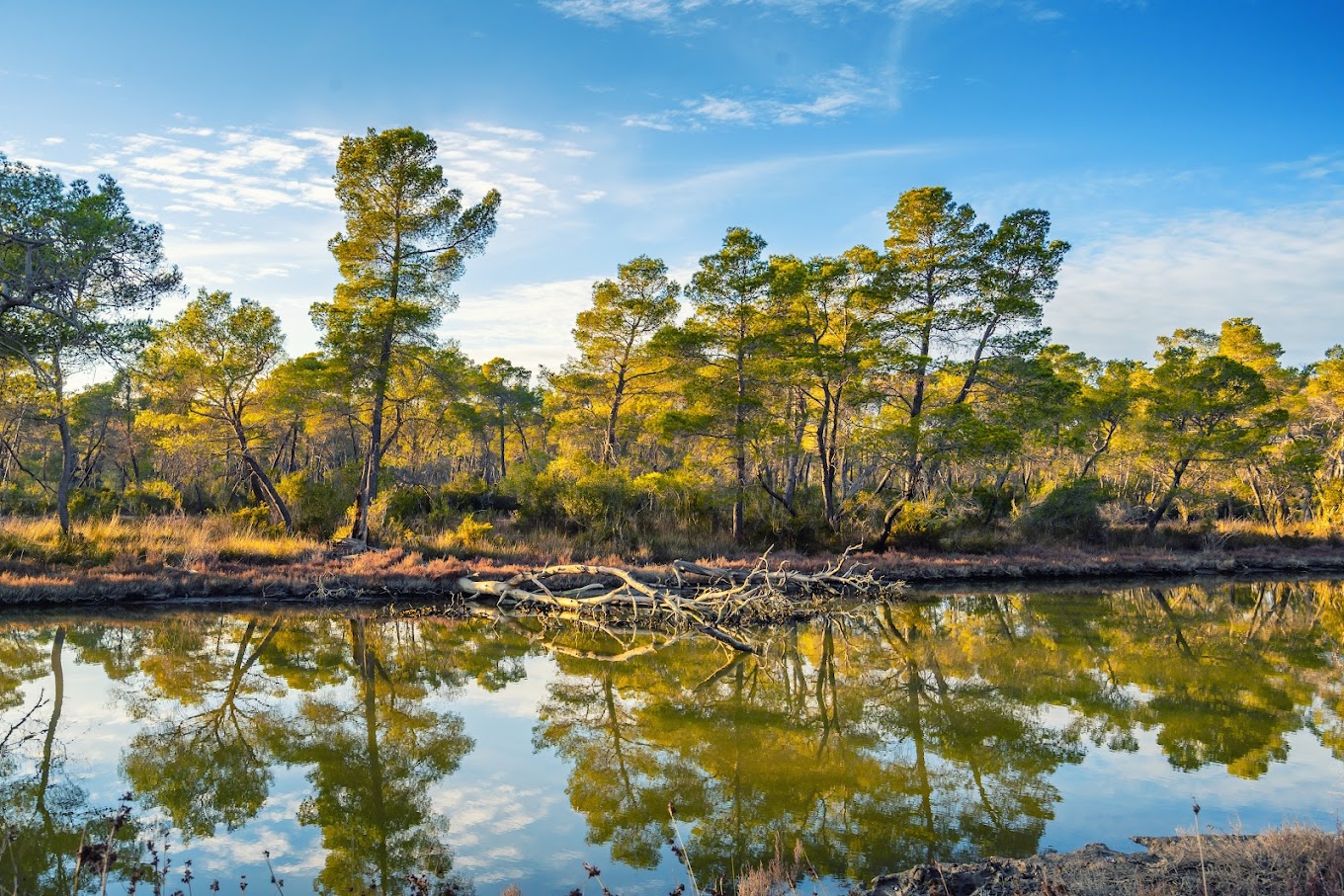
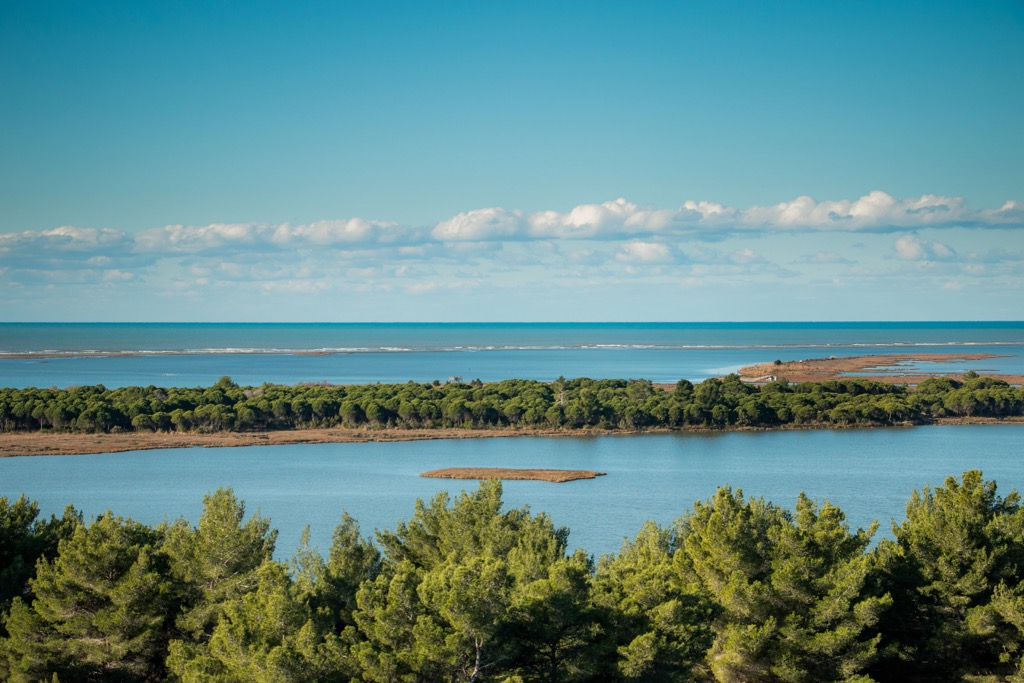
The defining feature of Divjakë is its extraordinary diversity of landscapes. As you move from inland areas toward the sea, the scenery constantly shifts: thick pine forests give way to sandy dunes, which gradually open into wide, shimmering lagoons dotted with birds. The Karavasta Lagoon, one of the largest in the Mediterranean, forms the centrepiece of the ecosystem and directly supports the wildlife and vegetation that make the area so distinctive.
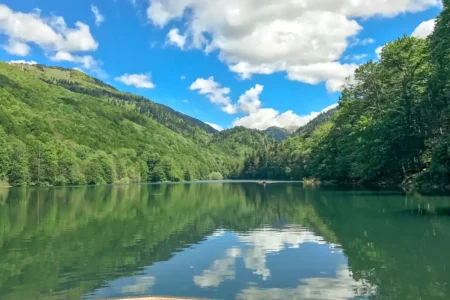
Winding trails allow visitors to explore the pine forests, where the scent of resin and sea breeze mixes in the air. The dunes create a soft natural border between forest and water, while the wetland areas support everything from fish to amphibians to migratory birds. Together, these landscapes form one of the most intact and ecologically important coastal systems in Albania.
Why Divjakë Matters to Albania’s National Park Network
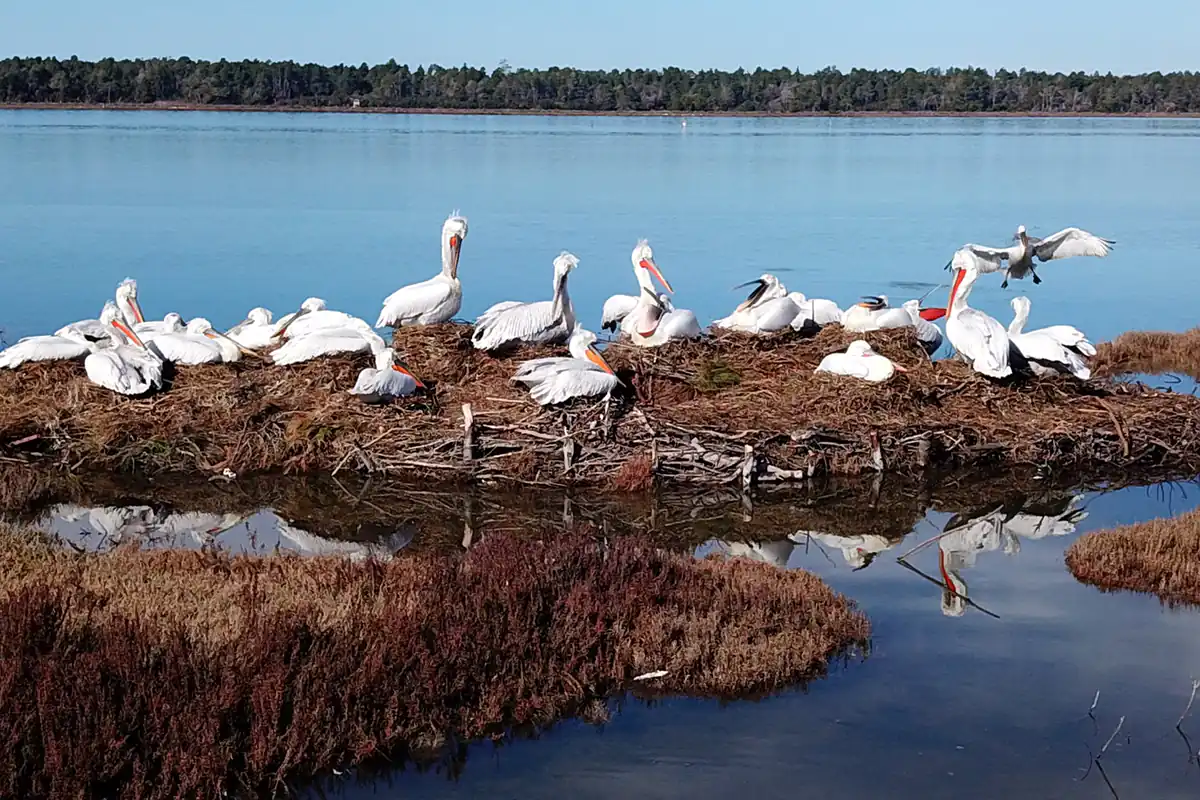
Divjakë is more than a beautiful stop on a tourist itinerary—it’s a vital part of Albania’s national park system. The region is home to one of Europe’s last breeding colonies of the endangered Dalmatian pelican, a species protected by ongoing conservation initiatives and a symbol of Albania’s commitment to environmental preservation. Park rangers and local organisations work year-round to monitor bird populations, protect nesting sites, and restore wetland habitats which have been threatened by climate change and human activity.
The park’s ecological importance makes it a key destination for researchers, birdwatchers, and travellers seeking meaningful nature experiences. For eco-conscious visitors, exploring Divjakë means directly supporting Albania’s long-term conservation efforts while discovering a destination that remains remarkably untouched by mass tourism. The region also forms part of many guided nature tours offered through albaniaturism.com, helping travellers connect with experts who know the area’s history, wildlife, and hidden paths better than anyone else.
Divjakë-Karavasta National Park Highlights
Karavasta Lagoon – One of the Mediterranean’s Largest Lagoons
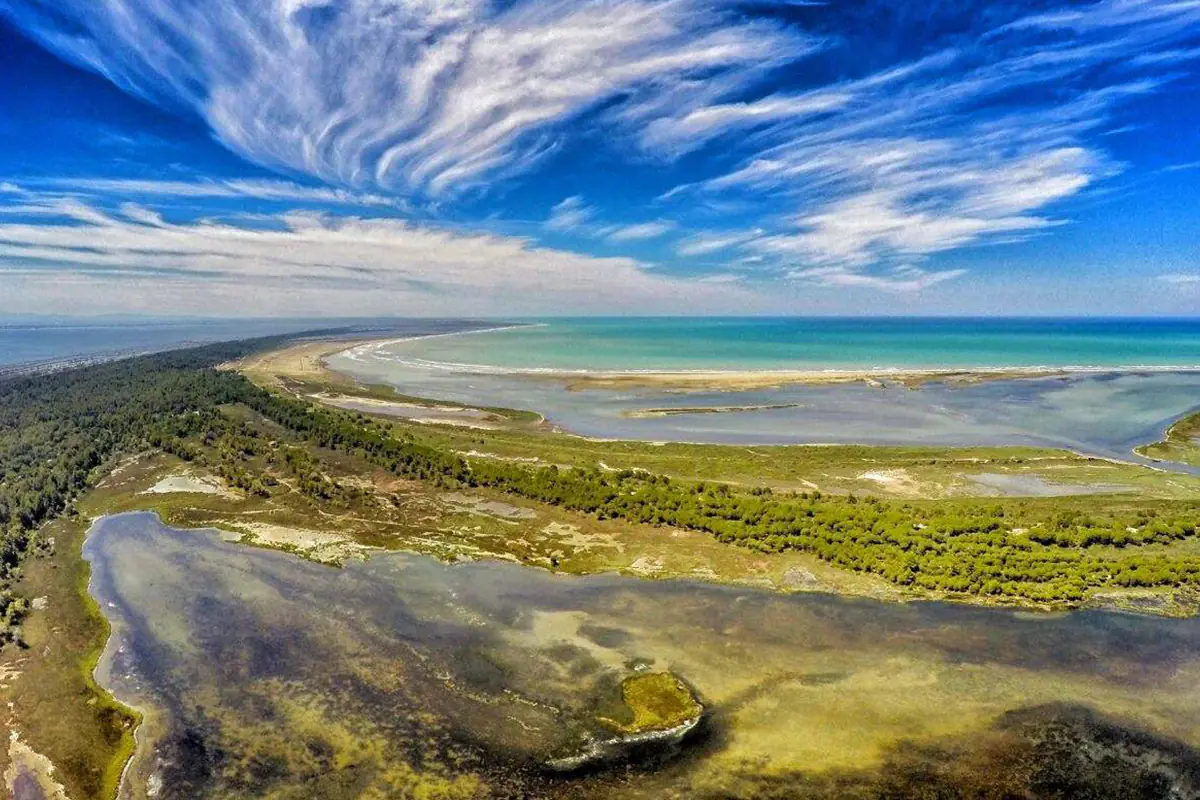
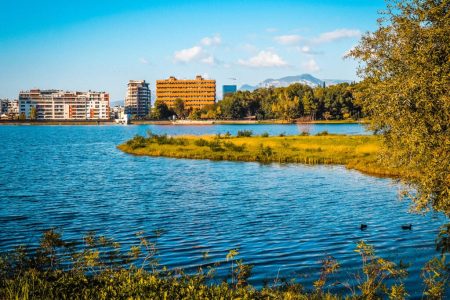
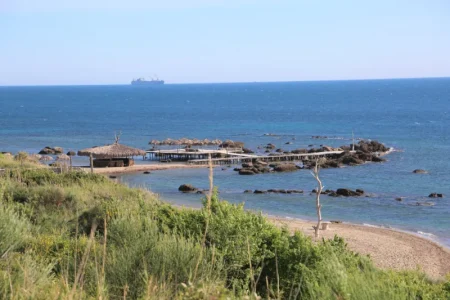
The Karavasta Lagoon is the crown jewel of Divjakë-Karavasta National Park and one of the largest lagoons in the entire Mediterranean region. Its shallow waters, narrow sandbars, and maze-like channels create a dramatic landscape that feels both peaceful and wild. The lagoon is home to rich fish populations, sediment islands, and rare wetland vegetation—elements that shape a thriving ecosystem unlike anywhere else in Albania.
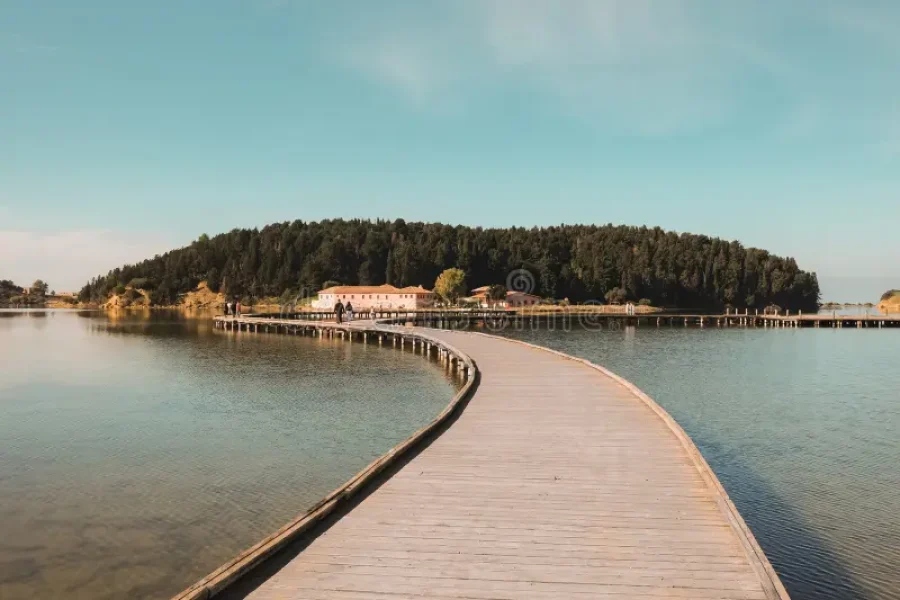
Wooden boardwalks, towers, and viewing platforms give visitors incredible views over the water, especially during sunrise and late afternoon when the lagoon glows gold. Boat trips are available during peak seasons, allowing travellers to glide across the calm surface and spot birds, fish, and vegetation up close. The lagoon’s ecological importance is internationally recognised, and it remains one of Albania’s most significant protected wetlands.
Dalmatian Pelican Birdwatching in Divjakë
Divjakë is one of the very best places in Europe to observe the Dalmatian pelican, an endangered species known for its massive wingspan and gentle behaviour. The Karavasta Lagoon hosts one of the largest remaining breeding colonies of these birds, and travellers can often see them gliding just above the water or gathering on small islets where they nest.
In addition to pelicans, Divjakë is home to more than 230 bird species, including herons, egrets, flamingos, cormorants, and various birds of prey. This biodiversity makes the park a dream destination for photographers, nature lovers, and ornithologists. The best observation points are located near the lagoon’s visitor centre and along the elevated wooden platforms that overlook the wetlands.
Walking and Cycling Trails in Divjakë-Karavasta
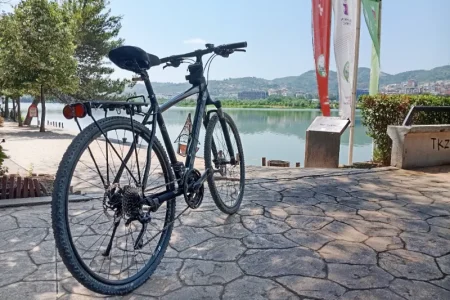
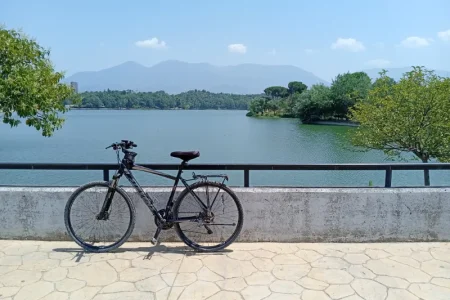
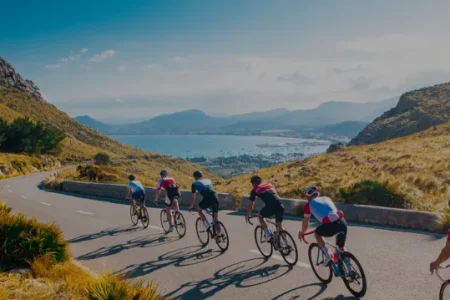
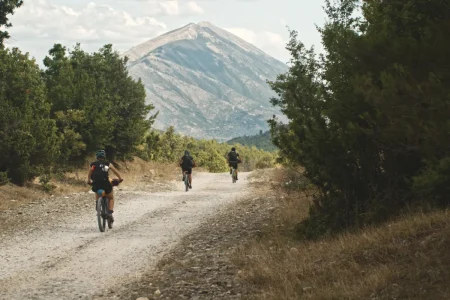
Divjakë is ideal for walking and cycling thanks to its flat terrain, well-marked trails, and shaded forest routes. Visitors can follow long, quiet paths through pine forests that lead directly to the lagoon’s edge, or cycle along sandy tracks toward the Adriatic coast.
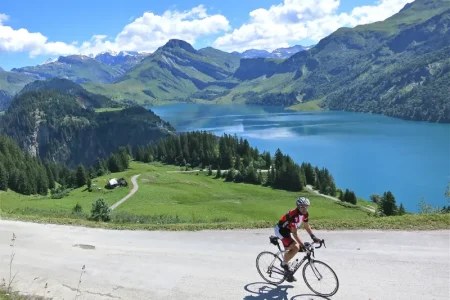
Cycling tours are increasingly popular, offering a low-impact, eco-friendly way to explore the park while enjoying fresh air and incredible scenery. Walking trails vary from short family-friendly loops to longer routes suitable for nature photographers and avid explorers. Guided walking tours, available through albaniaturism.com, provide deeper insights into the park’s ecosystem and wildlife while ensuring travellers don’t miss the most scenic viewpoints.
What is Divjakë? – Albania’s Coastal Nature Gem
Understanding Divjakë’s Unique Ecosystem
Divjakë is a remarkable destination on Albania’s western coast, forming the heart of the Divjakë-Karavasta National Park. This protected area is renowned for its diverse landscapes, including tranquil lagoons, dense pine forests, rolling sand dunes, and expansive wetlands. Its location along the Adriatic Sea has made it one of the most ecologically important coastal regions in Albania, offering visitors a rare glimpse of unspoiled nature just a short drive from Tirana.
The park serves as a crucial stopover for migratory birds and provides habitats for species that are rare or endangered across Europe. Its combination of wetland and coastal environments supports a wide variety of flora and fauna, making it an ideal destination for nature enthusiasts, birdwatchers, and eco-conscious travellers looking to experience Albania’s unique biodiversity.
Key Landscapes: Lagoons, Pine Forests, and Sand Dunes
Divjakë’s landscapes shift dramatically across its territory. Inland, dense pine forests provide shaded walking trails, while coastal dunes create natural barriers that separate forested areas from marshlands. At the centre lies the Karavasta Lagoon, one of the largest lagoons in the Mediterranean, whose calm waters and marshy islands sustain numerous aquatic and bird species.
Visitors can enjoy wandering along forest trails, cycling through sandy tracks, or exploring the lagoon’s edge. The scenery changes with the seasons: spring brings vibrant blooms and migratory birds, summer offers golden light and calm waters, and autumn showcases the park’s tranquil, muted hues. This diversity of landscapes ensures that each visit feels unique, whether for photography, relaxation, or wildlife observation.
Why Divjakë is Ecologically Important
Divjakë is more than a scenic getaway—it is a critical hub for biodiversity. It provides nesting sites for the endangered Dalmatian pelican and shelters hundreds of other bird species. Conservation initiatives focus on habitat preservation, research, and sustainable tourism practices, ensuring that human activity does not disrupt the delicate ecosystems. By visiting responsibly, travellers can support these efforts while enjoying the park’s natural beauty.
The area’s ecological significance, combined with its accessibility, makes it a must-visit location for anyone exploring Albania’s national parks. Guided tours from albaniaturism.com offer expert insights into the park’s wildlife and landscapes, helping visitors fully appreciate the unique charm of Divjakë.
Divjakë-Karavasta National Park Highlights
Karavasta Lagoon – A Mediterranean Treasure
The Karavasta Lagoon is the defining feature of Divjakë-Karavasta National Park. Spanning more than 40 km², it is one of the largest lagoons in the Mediterranean and a vital wetland for wildlife. Its shallow waters, sandy bars, and reed islands provide perfect habitats for fish, amphibians, and migratory birds.
Visitors can explore the lagoon via boardwalks, observation towers, and small boat trips, enjoying panoramic views that are particularly stunning at sunrise and sunset. The lagoon’s calm waters also make it an excellent destination for photographers, birdwatchers, and anyone seeking a peaceful connection with nature.
Dalmatian Pelican Birdwatching
Divjakë is famous for its Dalmatian pelican population, one of the largest in Europe. These majestic birds, with their striking white plumage and enormous wingspan, are a highlight for any visitor. The park is home to more than 230 bird species, including herons, flamingos, and cormorants, making it a top destination for birdwatching enthusiasts.
The best times to observe pelicans are early morning or late afternoon, when they are most active around the lagoon’s islets. Guided tours from albaniaturism.com offer expert spotting tips and insider knowledge about bird behaviour, ensuring a memorable wildlife experience.
Walking and Cycling Trails in Divjakë
Divjakë offers well-marked walking and cycling trails that meander through forests, dunes, and along the lagoon’s edge. Short loops are suitable for families, while longer trails cater to more adventurous visitors seeking quiet, immersive experiences in nature.
Cycling is an eco-friendly way to explore the park, offering access to remote viewpoints without disturbing wildlife. Guided walking and cycling tours provide interpretive insights about the ecosystem, rare species, and conservation efforts, making it easy for travellers to connect with the park’s unique natural environment.
Visiting Divjakë from Tirana and Beyond
How to Get to Divjakë from Tirana
For travellers based in Tirana, Divjakë is an ideal destination for a day trip or weekend escape. The journey by car typically takes around 2–2.5 hours along well-maintained roads, making it convenient for those seeking nature close to the capital. Public transport options are limited, so most visitors prefer private cars or guided tours, which remove the hassle of navigation and ensure a smooth, stress-free experience.
Guided tours from Tirana, such as the Green Line itinerary connecting Vlora, Apollonia, Divjakë, and Berat, provide expert-led exploration, including wildlife spotting, nature walks, and cultural stops. These tours are particularly popular for UK travellers who prefer structured itineraries, local insights, and hassle-free transport.
Best Times to Visit Karavasta Lagoon
The ideal period for visiting Divjakë is between late spring and early autumn. During these months, the weather is warm but not excessively hot, the lagoon is at its most vibrant, and birdwatching opportunities peak. Migratory birds, including the Dalmatian pelican, are most active from March to October, making this the prime season for wildlife photography.
Early morning visits are recommended for observing wildlife, as the lagoon is calmer and less disturbed. Sunsets along the lagoon offer spectacular reflections on the water, providing perfect moments for nature lovers and photographers alike.
Recommended Tours and Itineraries
albaniaturism.com offers a variety of guided experiences in Divjakë, ranging from half-day birdwatching tours to full-day trips combining Divjakë-Karavasta National Park with nearby cultural sites like Apollonia and Berat. These tours allow travellers to maximise their visit without missing key highlights.
Highlights of a typical day trip include:
- Guided walks along pine forest trails and lagoon edges
- Birdwatching with expert tips on spotting Dalmatian pelicans and other species
- Short boat rides on the Karavasta Lagoon
- Visits to local villages for traditional Albanian food and culture
What to Bring for a Day Trip to Divjakë
Visitors should wear comfortable shoes suitable for walking on sand and forest paths. Binoculars and a camera are essential for birdwatching and photography. Bring sun protection, water, and snacks, as facilities inside the park are limited. Lightweight clothing and insect repellent are also recommended, especially during summer months.
Guided tours often provide additional equipment such as binoculars and local expertise, making them an ideal choice for first-time visitors.
Nature and Wildlife Conservation Efforts in Divjakë-Karavasta
Ongoing Conservation Projects
Divjakë-Karavasta National Park is at the forefront of Albania’s environmental preservation efforts. Local authorities and NGOs collaborate on initiatives to protect wetlands, restore natural habitats, and monitor endangered species like the Dalmatian pelican.
The lagoon and surrounding wetlands are carefully managed to prevent pollution, maintain water levels, and control invasive plant species. Conservationists also track migratory patterns and breeding success, providing crucial data for European and Mediterranean wildlife networks.
Eco-Friendly Travel in Divjakë
Visitors are encouraged to explore the park responsibly. Guided eco-tours from albaniaturism.com follow sustainable practices, including small group sizes, designated trails, and educational briefings about the local ecosystem. Cycling, walking, and quiet boat rides minimise human impact while allowing full immersion in nature.
Eco-friendly tourism not only protects the park’s fragile habitats but also supports local communities. Entrance fees and tour bookings directly contribute to conservation and environmental education, ensuring that future generations can enjoy Divjakë’s unique landscapes.
Why Conservation Matters for Albania’s Future
Divjakë plays a crucial role in Albania’s broader environmental strategy. Wetlands like Karavasta help regulate the climate, purify water, and prevent coastal erosion. They also offer valuable opportunities for education, research, and eco-tourism.
By visiting and respecting the park, travellers become part of a global effort to protect biodiversity and maintain Albania’s natural heritage. Engaging with conservation through guided tours adds depth to the experience, providing insight into both the beauty and the vulnerability of one of Europe’s most important coastal ecosystems.
Additional Attractions Near Divjakë
Apollonia Archaeological Park
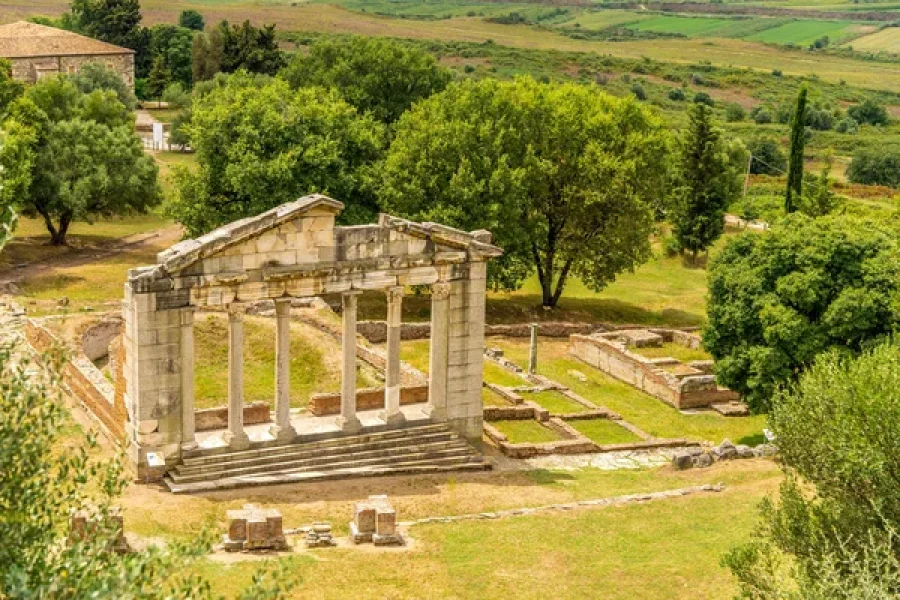
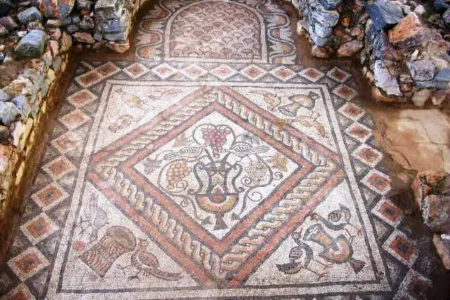
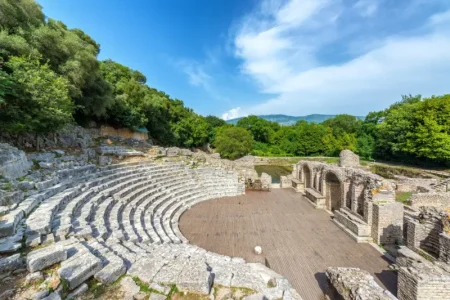
A visit to Divjakë-Karavasta National Park can be perfectly complemented with nearby cultural and historical attractions, most notably Apollonia Archaeological Park. Located just a short drive from the park, Apollonia is an ancient Greek and Roman city famed for its well-preserved ruins, columns, and mosaic floors. For UK travellers looking to combine nature with heritage, this makes for a compelling addition to a Divjakë itinerary.
Exploring Apollonia offers insight into Albania’s rich history while maintaining a connection to its natural surroundings. Many guided tours from albaniaturism.com link Divjakë with Apollonia, providing a seamless experience that balances wildlife, scenic landscapes, and archaeology.
UNESCO Berat – An Ideal Tour Extension
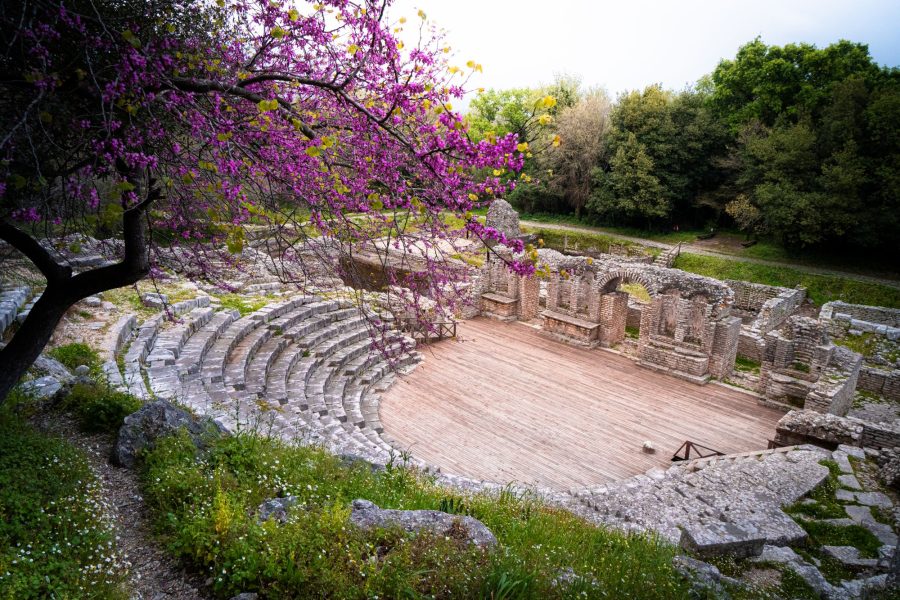
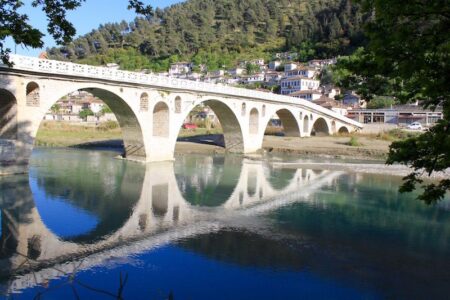
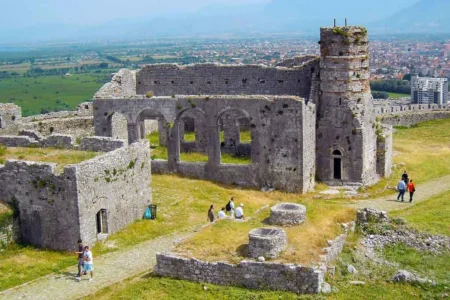
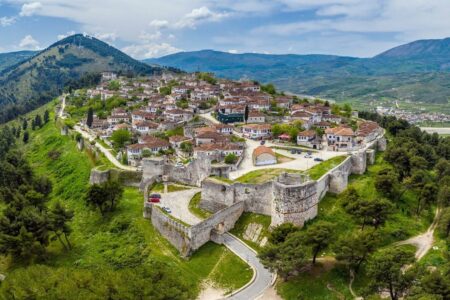
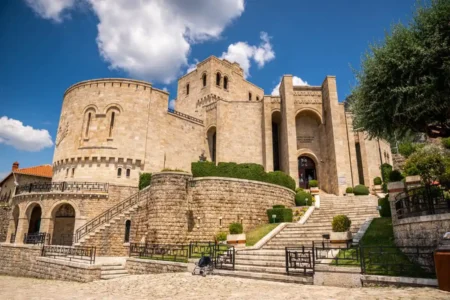
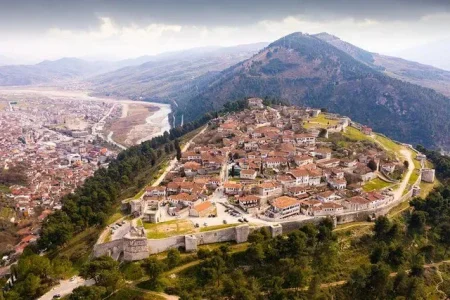
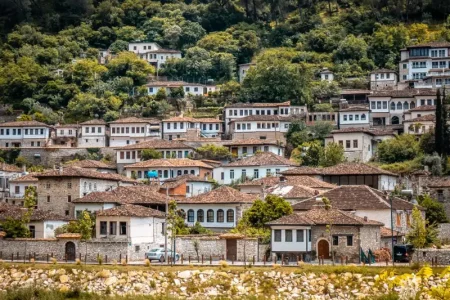
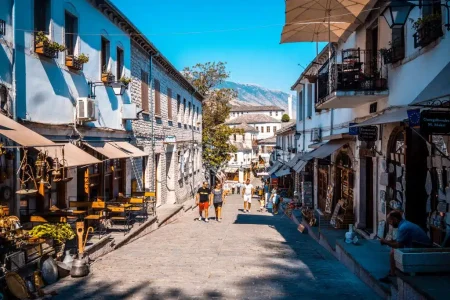
Another recommended destination for travellers visiting Divjakë is Berat, a UNESCO World Heritage Site renowned for its historic old town, Ottoman architecture, and hilltop castle. Combining a nature-focused day in Divjakë with a cultural visit to Berat allows travellers to experience the full spectrum of Albania’s unique offerings—pristine wetlands, rare wildlife, and centuries-old history—all in one itinerary.
Guided tours ensure that visitors make the most of their day, with expert commentary on both the ecological and historical highlights. Combining Divjakë and Berat is ideal for photographers, families, and cultural explorers seeking a meaningful and memorable Albanian experience.
Beaches, Villages, and Local Experiences Near Divjakë
Beyond Apollonia and Berat, the area around Divjakë offers additional attractions that make day trips or overnight stays worthwhile:
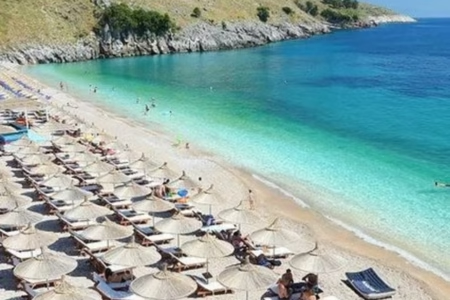
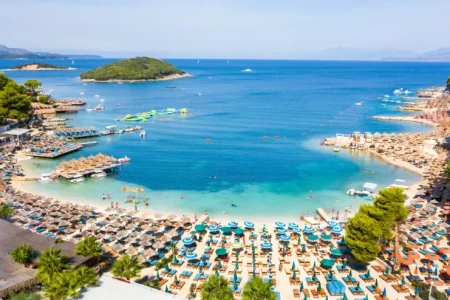
- Adriatic beaches: Quiet sandy stretches for relaxation or short coastal walks
- Traditional villages: Sample authentic Albanian cuisine, local produce, and handicrafts
- Agritourism farms: Learn about sustainable farming while enjoying fresh, locally sourced meals
These experiences complement the natural and wildlife highlights of Divjakë, creating a balanced and immersive travel experience that appeals to a wide range of visitors.
Conclusion
Divjakë is more than a destination—it’s an invitation to connect with one of Europe’s most extraordinary coastal ecosystems. From the serene waters of Karavasta Lagoon to the pine forests and sandy dunes, this national park offers unmatched opportunities for wildlife observation, birdwatching, and peaceful outdoor adventure. Endangered species like the Dalmatian pelican remind visitors of the park’s ecological significance, while nearby cultural treasures like Apollonia and Berat add depth and variety to any trip.
UK travellers seeking a safe, enriching, and unforgettable experience can rely on albaniaturism.com for expertly guided tours. Whether it’s a half-day birdwatching excursion, a full-day nature adventure, or a combined itinerary including historical sites, professional guides ensure you experience the very best of Divjakë without missing a single highlight.
Book your Divjakë experience today and discover Albania’s hidden coastal gem. Explore walking trails, spot rare wildlife, and immerse yourself in the beauty of one of the Mediterranean’s most important natural parks. With eco-friendly tours, comfortable travel arrangements, and insider knowledge from local experts, your journey to Divjakë promises both adventure and tranquility—perfect for families, photographers, and nature lovers alike.















 English