Ardenica Monastery is one of Albania’s most treasured historic and spiritual sites, located in the scenic hills of Fier County in southern Albania. Renowned for its serene atmosphere, Byzantine architecture, and remarkable medieval frescoes, Ardenica Monastery is a must-visit destination for travellers seeking cultural, religious, and historical experiences. As one of the most important religious sites in southern Albania, it offers visitors a glimpse into centuries of Albanian Orthodox heritage and a peaceful escape from modern life.
Nestled between rolling hills and olive groves, the monastery combines architectural beauty with natural splendour, making it a perfect location for photography, reflection, and cultural immersion. Its significance extends beyond its visual charm: Ardenica Monastery has played a pivotal role in Albanian religious life for centuries, attracting pilgrims, historians, and curious travellers alike. For those planning their journey, guided Ardenica Monastery tours provide expert insights into the site’s rich history and artistic treasures, while also highlighting nearby Fier County monasteries and other historical landmarks in Albanian culture.
Visiting Ardenica Monastery allows you to experience not only the spiritual calm of a centuries-old monastic site but also the vibrant history of Albania’s Orthodox tradition. Whether you are an art enthusiast eager to admire the frescoes, a history buff interested in the life of Skanderbeg, or a traveller exploring Byzantine monasteries in Albania, Ardenica offers a complete cultural experience in southern Albania.
Historical Background: The Rich Legacy of Ardenica Monastery
Ardenica Monastery history traces back to 1282–1283 when it was founded during the Byzantine Despotate of Epirus. For centuries, the monastery served as a central spiritual hub in the region, fostering religious practices and preserving Orthodox Christian traditions throughout the medieval period and under Ottoman rule. Its foundation is a testament to the cultural and religious exchanges that shaped southern Albania, and its continued presence highlights the resilience of Albanian spiritual life.
A particularly fascinating aspect of Ardenica Monastery’s history is its connection to Skanderbeg, the national hero of Albania. According to historical accounts, Skanderbeg sought blessings at Ardenica before leading campaigns against the Ottoman Empire, cementing the monastery’s place in Albanian national identity. Beyond these legendary associations, Ardenica Monastery has been instrumental in preserving the traditions of the Albanian Orthodox Church, serving as a repository of sacred manuscripts, religious rituals, and artistic expression.
Over the centuries, the monastery has withstood periods of neglect, natural wear, and political upheaval, yet it has remained a symbol of faith and heritage. Restoration efforts in recent decades have ensured that its stone walls, arched windows, and iconic Byzantine architectural features continue to inspire visitors today. The monastery’s enduring presence offers a tangible link to Albania’s medieval past, making it an essential stop for anyone exploring historical landmarks in Albanian culture or visiting the network of Albanian Orthodox monasteries in Fier County and beyond.
Skanderbeg and Ardenica Monastery
The legendary Albanian leader Skanderbeg is intimately tied to Ardenica Monastery. Local traditions recount that he prayed here for guidance before military campaigns, and some accounts suggest the monastery provided refuge and support during critical moments in Albanian history. This connection adds a layer of national pride and historical depth, making Ardenica not only a spiritual centre but also a symbol of Albanian resilience and identity.
Architecture and Artistic Features of Ardenica Monastery
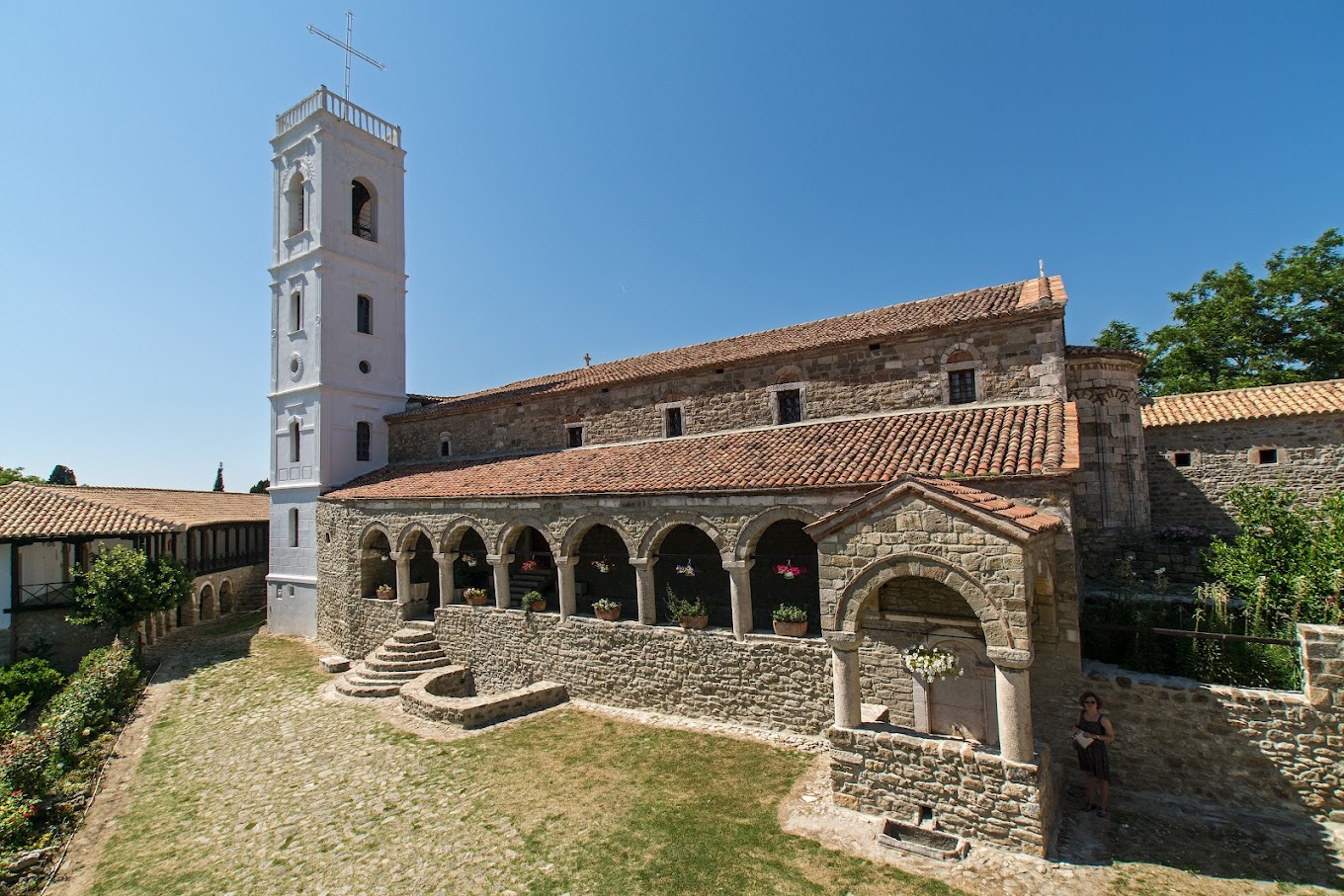
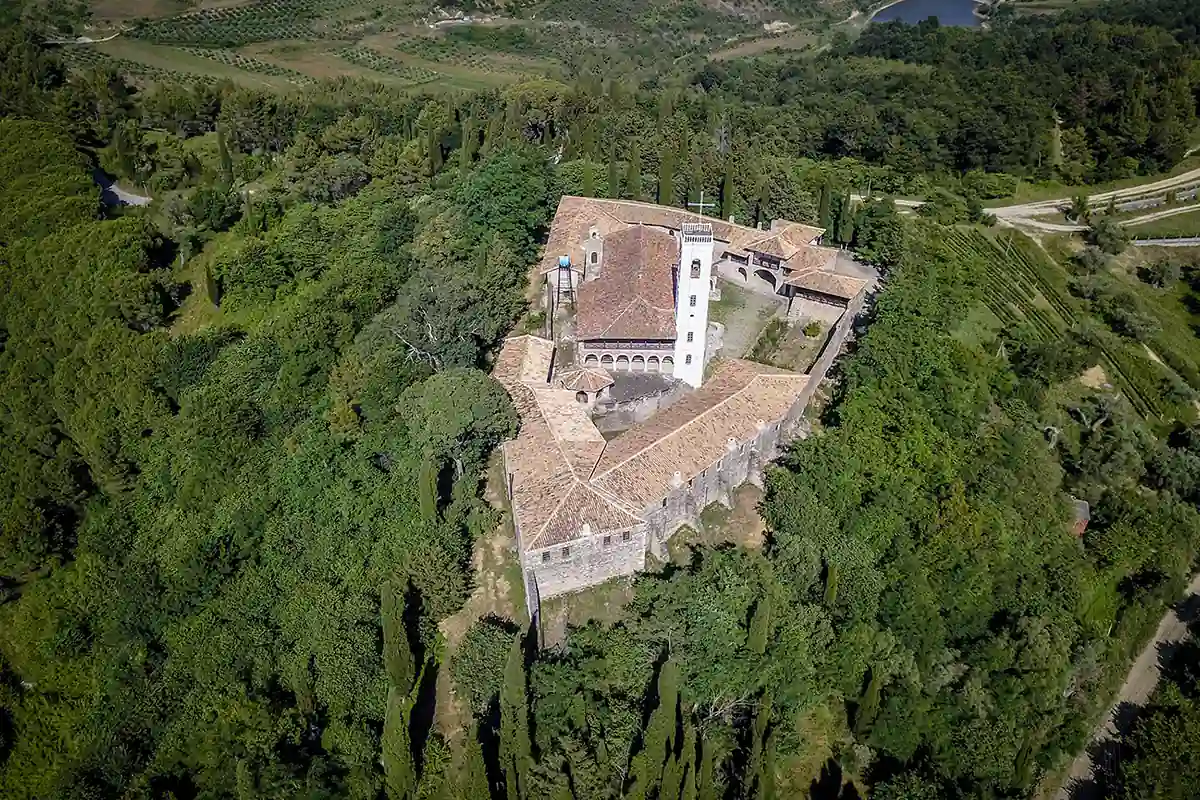
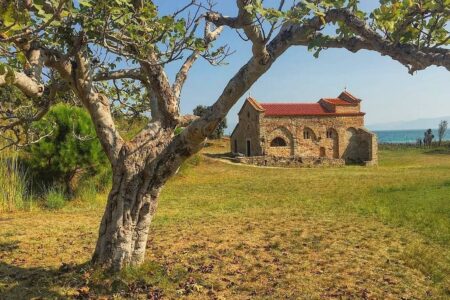
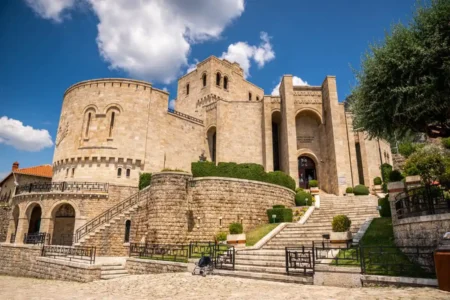
Ardenica Monastery frescoes and its architectural style make this site a standout among Byzantine monasteries in Albania. Built in the late 13th century, the monastery showcases classic Byzantine design elements, including sturdy stone walls, arched windows, and a prominent central dome. The structure reflects a perfect blend of spiritual purpose and artistic expression, seamlessly integrated with the rolling hills and olive groves that surround it.
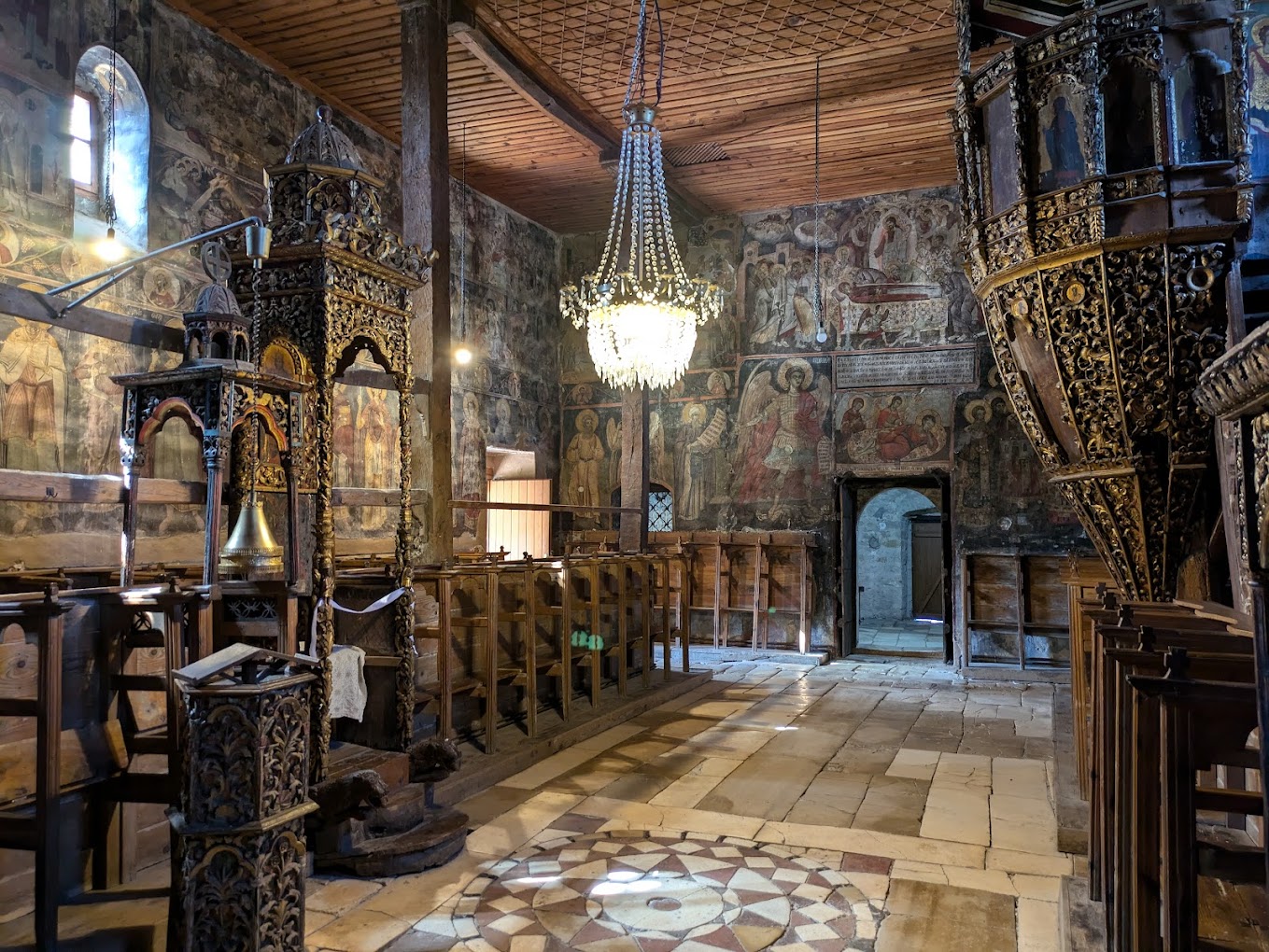
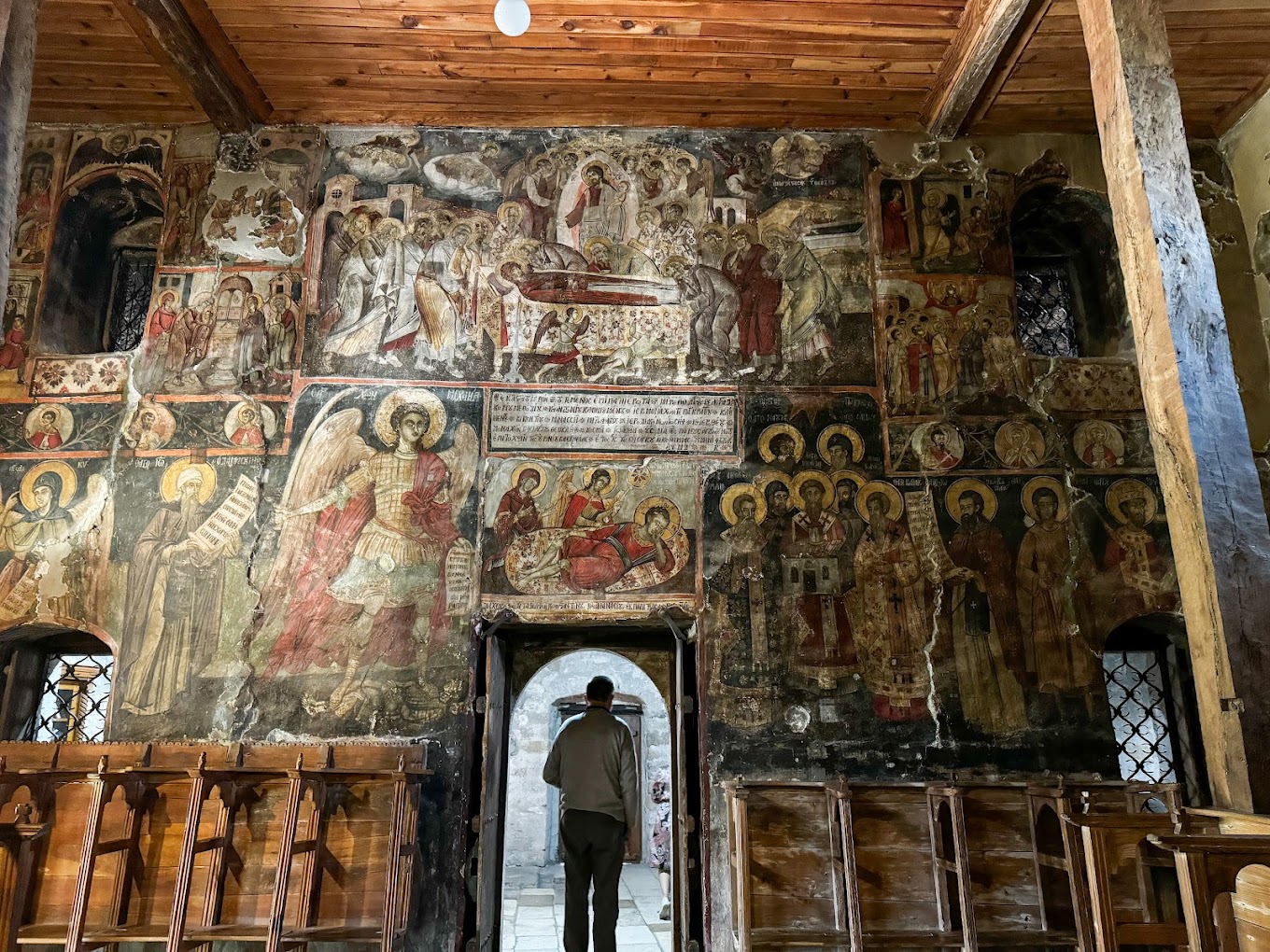
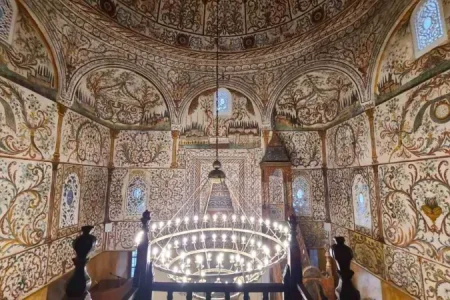
Inside, visitors are greeted by a series of exquisite frescoes that narrate biblical stories and depict Orthodox saints. These medieval artworks are a testament to the skilled artisans of the era and provide invaluable insights into the religious and cultural context of Albania during the Byzantine period. The frescoes are remarkably well-preserved, thanks to ongoing restoration efforts that maintain their vibrant colours and intricate details. Many travellers and art enthusiasts consider them a highlight of any visit to Ardenica Monastery.
Byzantine Architectural Highlights
- Central dome and arched windows characteristic of Byzantine monastic design
- Stone walls that have withstood centuries of weather and human activity
- Integration with the natural landscape, offering panoramic views
Frescoes and Artistic Significance
- Biblical scenes and depictions of Orthodox saints
- Unique combination of Albanian and Byzantine artistic styles
- Preservation initiatives that maintain historical and cultural authenticity
Preservation and Restoration Efforts
- Ongoing conservation projects by local authorities and cultural organizations
- Restorations aimed at safeguarding both the architecture and the frescoes
- Importance for cultural tourism and the Albanian Orthodox community
The monastery is not only a spiritual centre but also a cultural treasure that offers a visual journey through Albania’s religious history. Visitors are often captivated by the harmony of architectural precision and artistic expression, which together create an atmosphere of reverence and serenity.
Visitor Experience at Ardenica Monastery
For those planning a visit, Ardenica Monastery tours provide an immersive experience, combining spiritual reflection with historical and cultural education. Nestled in Fier County monasteries region, the site is accessible yet retains a peaceful and contemplative atmosphere, ideal for travellers seeking both insight and tranquility.
Upon arrival, visitors can explore the monastery’s grounds, admire the stonework, and photograph the frescoes that adorn its interior. The serene surroundings, including olive groves and rolling hills, enhance the sense of retreat and reflection. Guided tours are highly recommended, as local experts provide detailed accounts of the monastery’s history, architectural features, and connections to Skanderbeg Ardenica Monastery.
What to Expect on a Tour
- Expert guides explaining the history and spiritual significance
- Opportunities to observe and photograph frescoes and architectural details
- Insight into monastic life and religious rituals
Best Times to Visit
- Early morning or late afternoon for optimal natural lighting
- Seasonal considerations: spring and autumn offer milder weather and fewer crowds
- Special religious events and festivals provide unique cultural experiences
Accessibility and Facilities
- Easily reachable by car from Tirana, Berat, or Fier
- On-site amenities include basic visitor facilities and shaded areas for rest
- Tips for planning a visit: comfortable footwear for uneven terrain, respect for religious customs
Visiting Ardenica Monastery is a multi-sensory experience that combines history, art, spirituality, and natural beauty. Whether exploring independently or on a guided tour, visitors gain a deep appreciation for Albania’s Orthodox heritage and the enduring legacy of one of its most iconic religious sites in southern Albania.
Location and How to Get There
Ardenica Monastery Albania is situated in the heart of Fier County, southern Albania, near the village of Ardenica and approximately 12 kilometres from the historic city of Lushnjë. Perched on a gentle hill and surrounded by olive groves and lush countryside, the monastery offers not only a spiritual retreat but also stunning panoramic views of the Albanian landscape. Its location makes it an ideal stop for travellers exploring Fier County monasteries and other cultural landmarks in southern Albania.
Directions and Transport Options
Visitors can reach Ardenica Monastery by several convenient methods:
- By Car: The monastery is roughly a 2-hour drive from Tirana and just over an hour from Berat. Roads are well-marked, and parking is available near the entrance.
- Public Transport: Local buses and shared taxis run from Lushnjë and Fier, offering accessible options for those without a private vehicle.
- Guided Tours: Many Ardenica Monastery tours include transportation from Tirana, Berat, or other major cities, combining the monastery visit with nearby cultural and historical sites.
Nearby Attractions and Cultural Itinerary
Visitors can combine a trip to Ardenica Monastery with several nearby points of interest:
- Apollonia Archaeological Park: A short drive away, offering ancient ruins and history.
- Fier City Centre: Explore local markets, museums, and cultural sites.
- Byzantine and Orthodox Monasteries: Other historic monasteries in the region provide a broader understanding of Albania’s religious heritage.
Planning Your Visit
- Ideal for day trips or part of a multi-day cultural tour of southern Albania.
- Recommended to allow 2–3 hours to explore the monastery, grounds, and nearby areas.
- Comfortable footwear and weather-appropriate clothing advised due to uneven terrain and outdoor exploration.
Ardenica Monastery’s location, combined with its accessibility from major cities and proximity to other cultural landmarks, makes it a perfect destination for travellers interested in historical landmarks in Albanian culture and serene spiritual experiences.
Cultural and Religious Significance Today
Albanian Orthodox monasteries like Ardenica continue to play an essential role in both spiritual life and cultural preservation in Albania. Today, Ardenica Monastery remains active, hosting religious ceremonies, Orthodox rituals, and occasional seasonal festivals that attract locals and pilgrims alike. Its ongoing religious activities maintain a living connection to centuries of Albanian Orthodox tradition, offering visitors a glimpse into contemporary monastic life.
Ongoing Religious Activities
- Regular Orthodox services and prayer sessions held throughout the year.
- Monks and clergy maintaining daily routines of worship, scripture, and community service.
- Special events during Orthodox holidays, such as Easter and Christmas, with local participation.
Role in Albanian Culture
- Ardenica Monastery contributes to preserving Albanian religious art, manuscripts, and oral traditions.
- The site serves as a cultural hub where visitors can learn about historical landmarks in Albanian culture and the broader heritage of southern Albania.
- Its association with Skanderbeg Ardenica Monastery adds a national historical dimension, linking faith and Albanian identity.
Festivals and Special Occasions
- Annual feast days draw both pilgrims and cultural tourists.
- Seasonal events may include music, traditional food, and cultural performances in surrounding villages.
- Opportunities to participate respectfully in local religious traditions, deepening the visitor experience.
Ardenica Monastery is not merely a historical relic; it is a living testament to Albania’s Orthodox heritage. Its ongoing religious, cultural, and artistic functions make it a meaningful destination for anyone interested in exploring religious sites in southern Albania or understanding the enduring legacy of the country’s spiritual landmarks.
Frequently Asked Questions About Ardenica Monastery
Where is Ardenica Monastery located?
Ardenica Monastery is located in Fier County, southern Albania, near the village of Ardenica, approximately 12 kilometres from Lushnjë. Nestled on a gentle hill and surrounded by olive groves, the monastery provides visitors with stunning views and a serene environment. Its location makes it an ideal destination for cultural and spiritual tours in southern Albania.
When was Ardenica Monastery founded?
The monastery was founded in 1282–1283 during the Byzantine Despotate of Epirus. Over the centuries, it has remained a central spiritual and cultural site, surviving periods of Ottoman occupation while preserving the traditions of the Albanian Orthodox Church.
What is special about Ardenica Monastery’s frescoes?
The frescoes inside Ardenica Monastery are remarkable examples of medieval Byzantine art. They depict biblical scenes and Orthodox saints, blending Albanian artistic influences with classical Byzantine techniques. Preservation efforts have kept their colours vibrant, making them a major attraction for art enthusiasts and historians.
Is Ardenica Monastery open to tourists?
Yes, Ardenica Monastery is open to visitors, offering a peaceful environment for sightseeing, photography, and cultural exploration. While the monastery remains an active religious site, tourists are welcome to explore the grounds and interior respectfully.
How can visitors reach Ardenica Monastery?
Visitors can reach Ardenica by:
- Car: About 2 hours from Tirana, 1 hour from Berat, with parking available.
- Public Transport: Buses or shared taxis from nearby cities like Fier and Lushnjë.
- Guided Tours: Organized tours from Tirana, Berat, or Fier, often combining Ardenica with nearby cultural sites.
What is the connection between Skanderbeg and Ardenica Monastery?
Legend has it that Skanderbeg, Albania’s national hero, visited Ardenica Monastery for blessings before military campaigns against the Ottomans. This connection adds both historical and national significance to the site, enhancing its appeal as a cultural landmark.
Are guided tours available at Ardenica Monastery?
Yes, guided tours are offered and highly recommended. Knowledgeable guides provide historical context, explain the artistic details of the frescoes, and share insights into Orthodox monastic life. Tours often include nearby attractions in Fier County monasteries and other cultural landmarks.
What are the visiting hours and any entrance fees?
Visiting hours typically span from morning until late afternoon, though exact times may vary seasonally. Entrance is generally free, but donations are welcome to support the monastery’s preservation efforts. Guided tours may have associated fees depending on the package.
Can you stay overnight at or near Ardenica Monastery?
While overnight stays within the monastery are not permitted, there are accommodation options nearby in Lushnjë, Fier, or Berat. These towns provide hotels, guesthouses, and local homestays, allowing visitors to explore Ardenica and other regional attractions comfortably.
Conclusion: Plan Your Visit to Ardenica Monastery
Ardenica Monastery is more than just a historic site—it is a living testament to Albania’s Orthodox heritage, Byzantine architecture, and cultural resilience. From its founding in the 13th century to its legendary connection with Skanderbeg, the monastery offers visitors a rare combination of spirituality, history, and artistic beauty. Its frescoes, serene location, and ongoing religious life make it an essential stop for anyone exploring religious sites in southern Albania or seeking a deeper understanding of historical landmarks in Albanian culture.
Visitors can experience Ardenica Monastery independently or through guided tours, gaining insights into its history, architecture, and spiritual significance. Its accessibility from Tirana, Berat, and Fier, combined with nearby cultural attractions, makes it perfect for day trips or extended cultural itineraries.
Whether you are a history enthusiast, a spiritual seeker, or an art lover, a visit to Ardenica Monastery promises an enriching and unforgettable experience. Book your guided tour through albaniaturism.com today to explore this remarkable Albanian landmark, immerse yourself in centuries of Orthodox tradition, and enjoy a serene escape in the heart of southern Albania.













 English