 English



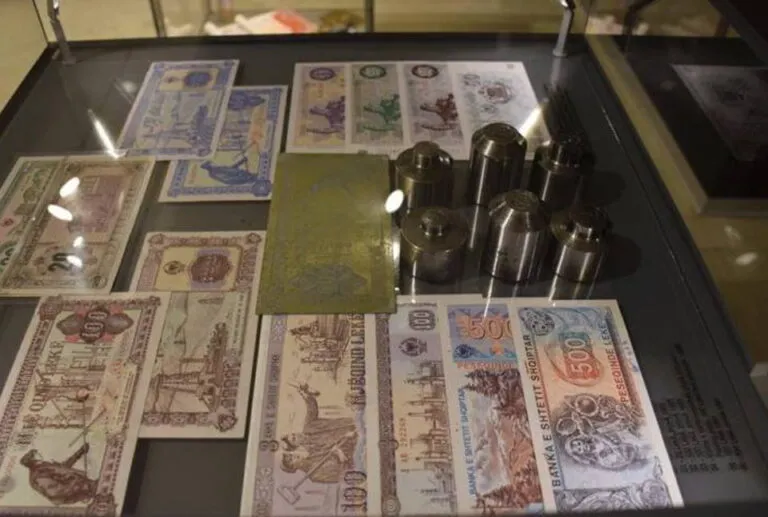

The Bank of Albania Museum is one of Tirana’s most fascinating attractions. It sits inside the headquarters of the Albanian Central Bank on Skanderbeg Square. The museum gives visitors a rare chance to explore the story of money, finance, and economic development in Albania—from ancient times to the digital age. It stands as a symbol of transparency and knowledge, showing how the central bank strengthens Albania’s financial stability and progress.
Visitors entering the Museum of the Bank of Albania discover modern multimedia displays mixed with authentic historical artifacts. The exhibits include early Albanian coins and banknotes, along with interactive installations that explain today’s monetary policy. The museum is designed for curious travelers and students of economics, and it presents complex concepts through simple storytelling and visual tools.
Set inside the monumental 1930s Bank of Albania building, the museum blends culture, education, and history in one space. Its halls reveal how money shaped Albania’s society, trade, and independence through time. Whether you are a visitor exploring Tirana museums or a local wanting to understand the country’s economic past, the Bank of Albania Museum offers a journey through time and value.
What Is the Bank of Albania Museum?
The Museum of the Bank of Albania is a public educational space created by the Albanian Central Bank. Its purpose is to share the country’s financial history with citizens and tourists. It opened as part of a wider transparency initiative. Inside, visitors can explore how money evolved in Albania—from ancient Illyrian coins to the modern Albanian lek. The museum also raises awareness about financial systems, banking operations, and the value of economic stability in everyday life.
Located inside the Bank of Albania headquarters, the museum serves as a bridge between the institution and the public. It introduces visitors to the Bank’s core functions, such as issuing currency, maintaining monetary stability, and regulating the financial system. These topics are presented through engaging and interactive exhibits.
The Story Behind the Museum’s Creation
The idea for the Bank of Albania Museum grew from the need to preserve Albania’s monetary heritage. It also aimed to make the Central Bank’s work more transparent. After the restoration of the historic building on Skanderbeg Square, a dedicated area was transformed into a modern exhibition space. The project combined historical research, archival work, and digital technology to create a learning environment for all ages.
Educational Role of the Museum
The museum goes beyond displaying artifacts. It serves as a learning platform for students, families, and anyone interested in finance. It hosts school visits, economic workshops, and programs that promote financial literacy. Visitors can explore how inflation affects daily life or learn how central banks manage the money supply. They can even simulate policy-making decisions. Through these activities, the museum promotes responsible financial thinking and sparks curiosity about Albania’s economic development.
Whether you love economics, travel with children, or simply want to explore Tirana’s hidden gems, the Bank of Albania Museum offers a meaningful cultural experience that connects the past, present, and future of money.
Location and Access
The Bank of Albania Museum is located on Skanderbeg Square, in the heart of Tirana. Its central location places it near many important landmarks, including the National History Museum, the Et’hem Bey Mosque, and the Opera House. The museum sits inside the headquarters of the Bank of Albania, a striking 1930s architectural masterpiece.
Designed by Italian architect Vittorio Ballio Morpurgo, the building blends classical and rationalist styles. Its monumental façade, tall columns, and symmetrical layout reflect the authority and stability of Albania’s central financial institution. Although the museum occupies only part of the structure, visitors can admire both the preserved historic interiors and the modern sections that integrate digital technology.
Since it sits in Tirana’s walkable city center, the museum is easy to reach on foot. The surrounding area offers cafés, restaurants, and shops, making it an ideal stop during a city walk.
How to Get There
The museum address is Bank of Albania, Skanderbeg Square, Tirana, Albania.
Visitors can reach it by:
Walking: A 10-minute walk from Rinia Park or the Clock Tower.
Bus: Several bus lines stop around Skanderbeg Square.
Taxi: All taxi drivers know the “Banka e Shqipërisë” building.
Car: Public parking is available nearby, though walking is easier.
The building is accessible to visitors with limited mobility. Security staff is available to guide guests to the correct entrance.
Nearby Attractions
Because of its central location, visitors can easily combine the museum with other highlights:
- National History Museum – Albania’s story from antiquity to independence.
- Et’hem Bey Mosque – A restored Ottoman mosque next to the Clock Tower.
- Bunk’Art 2 – A modern history museum inside a Cold War bunker.
- Rinia Park – A pleasant green area for a relaxing break.
Opening Hours and Entrance Fees
Before visiting, check the Bank of Albania Museum’s opening hours. As part of an active Central Bank building, the museum follows a schedule designed for safety and guided visits.
It opens Monday to Friday, usually between 09:00 and 17:00. It closes on weekends and public holidays. Visits are often arranged by appointment, especially for groups and school programs. This ensures a secure environment and allows staff to dedicate time to each group.
Entrance Fee
Admission is free. This supports the Bank of Albania’s mission to educate the public and promote transparency.
The free access makes the museum an excellent choice for families, schools, and anyone curious about how the monetary system works.
Booking and Visitor Policies
Since the museum is inside the Central Bank headquarters, advance booking is required. Visitors can book through the Bank of Albania’s official website or through tour operators such as AlbaniaTurism.com.
Visitors should bring an ID card or passport for security checks. Bags may be screened, and certain areas near operational bank zones may remain restricted.
Booking a few days ahead is recommended, especially during school visits.
What to See Inside the Bank of Albania Museum
The currency exhibits are the main attraction. They allow visitors to trace Albania’s financial history from ancient Illyrian coins to modern banknotes. The museum uses historical artifacts and interactive tools, creating an engaging and educational space.
The museum includes several sections:
Historical Currency Collection – Rare coins and banknotes, including the first lek from 1926.
Banking Evolution – Exhibits showing the growth of banking institutions.
Interactive Financial Displays – Touchscreens and simulations that explain monetary policy and inflation.
Vault and Security Room Experience – A closer look at how a bank vault works and how gold reserves are protected.
Highlights of the Currency Exhibits
- Ancient Illyrian and Ottoman coins
- Historical banknotes showing Albania’s economic transformation
- Gold and silver coin collections
- Explanations of the shift from physical money to digital systems
Interactive Experiences
The museum offers hands-on activities for adults and children. Visitors can:
- Simulate printing banknotes
- Manage a small digital economy
- Explore exchange rates and interest
- Play educational games designed for students
If you enjoy history or economics, or you want something different in Tirana, this museum combines learning with fun.
Guided Tours and Educational Activities
Guided tours are available for individuals, families, and groups. Knowledgeable staff explain the exhibits, making complex topics easier to understand. Tours can be tailored to special interests such as numismatics or monetary policy.
Educational Activities Include:
- Financial literacy workshops
- Interactive learning games
- Tailored school programs
- Public seminars on banking and history
These activities make the museum ideal for students, families, and organizations.
Visitor Information and Rules
To ensure a smooth visit, the museum follows specific rules due to its location inside an active banking institution.
Photography
Photography is allowed in most exhibition areas. However, restricted zones—such as operational banking areas—do not permit photos. Flash use may also be limited to protect sensitive items.
Group Visits and Students
The museum is highly suitable for:
- School groups
- University classes
- Families
- Corporate groups
Guided tours are recommended for groups and should be booked in advance.
General Visitor Guidelines
- Bring a valid ID
- Bags may be screened
- Do not touch artifacts unless the exhibit allows it
- The museum is wheelchair accessible
History and Architecture of the Museum Building
The Bank of Albania headquarters, built in the 1930s by Italian architect Vittorio Ballio Morpurgo, is a landmark of rationalist and classical architecture. The structure’s design reflects Albania’s economic ambitions during the early 20th century.
From Headquarters to Cultural Landmark
Although the building continues to serve as Albania’s central bank, part of it has been transformed into a cultural and educational museum. Visitors can admire marble floors, decorative ceilings, and preserved architectural details that highlight the bank’s historical importance.
Symbolism in Design
The museum’s layout emphasizes:
- Stability: Strong geometric lines represent financial reliability.
- Transparency: Open spaces and natural light symbolize openness.
- Harmony: Modern technology blends with historical architecture.
Plan Your Visit
Planning your visit is easy. Consider the following tips:
- Book in advance to ensure availability.
- Set aside 1–2 hours for your tour.
- Combine the visit with nearby attractions for a richer experience.
- Bring an ID for security screening.
Combine Your Visit with Other Highlights
- Skanderbeg Square
- National History Museum
- Rinia Park
- Bunk’Art 2
Frequently Asked Questions
What is the Bank of Albania Museum?
A public museum inside the Central Bank headquarters that presents Albania’s financial history.
Where is it located?
On Skanderbeg Square, in the center of Tirana.
What are the opening hours?
Monday–Friday, usually 09:00–15:00 (closed on weekends).
Is there an entrance fee?
No, entry is free.
Are guided tours available?
Yes, for individuals, families, and groups.
What exhibits can visitors expect?
Coins, banknotes, vault simulations, interactive financial displays, and educational activities.
Can I take photos?
Yes, except in restricted areas.
0 Comment