 English



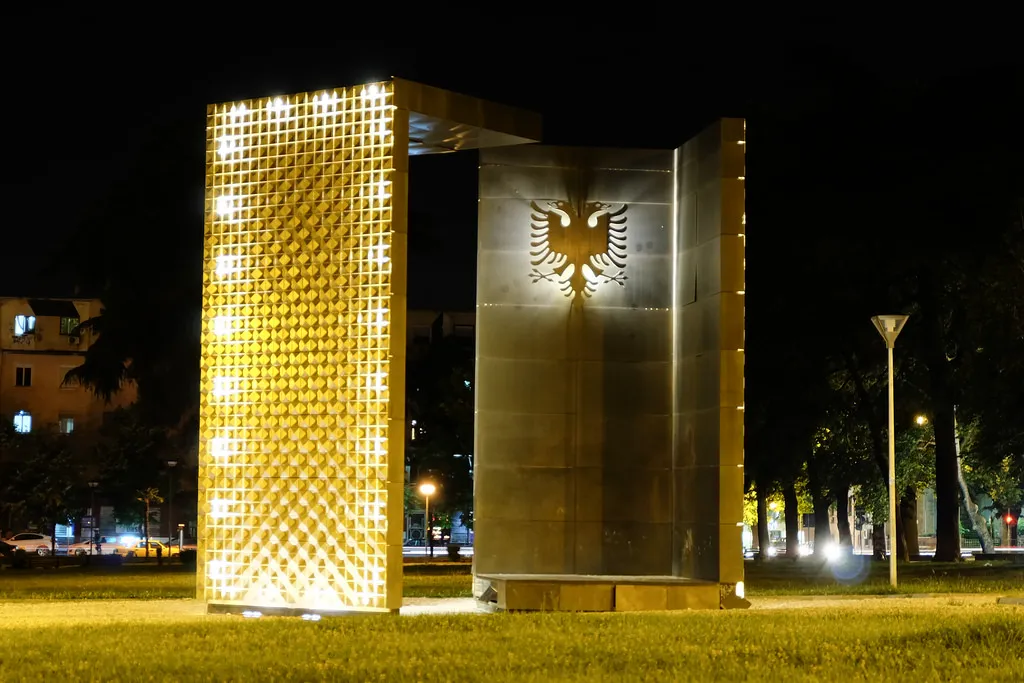

Independence Memorial Tirana – Overview of a Modern National Symbol
The Independence Memorial Tirana stands today as one of the city’s most powerful expressions of Albanian nationhood, and for many travellers, it represents the starting point for understanding Albania’s journey toward freedom. Located in the heart of the capital and surrounded by the vibrant rhythm of daily life, this monument captures the pride, resilience, and unbroken spirit of the Albanian people. Visiting this landmark with a curated walking tour from Albania Turism allows travellers to experience more than a monument—it allows them to connect emotionally with Albania’s story of liberation and cultural rebirth.


What Is the Independence Memorial in Tirana?
The Independence Memorial in Tirana is a modern monument dedicated to the 100th anniversary of the Declaration of Independence in 1912. Its purpose is both commemorative and educational. Designed to create a moment of reflection for locals and visitors alike, the structure stands as a reminder that the path to Albanian independence was shaped by courage, sacrifice, and a persistent desire for self-determination.
For travellers, the memorial provides the perfect introduction to Albania’s national identity—especially when explored with a knowledgeable guide who can contextualize its deeper meaning.
What Does the Independence Memorial in Tirana Represent?
Symbolically, the memorial is designed as an open tower—a powerful architectural metaphor. The vertical lines evoke the historical struggle against foreign domination, while the open spaces between them symbolise freedom, hope, and the transparency of a new democratic era. Standing beneath the structure, many visitors feel a mix of admiration, solemnity, and inspiration.
This duality—oppression giving way to freedom—is what makes the monument such a compelling stop on any Tirana itinerary. It is a visual summary of the Albanian experience: overcoming hardship to build a proud, independent nation.
AlbaniaTurism.com Guided Visit – Experience the Story Behind the Stone
While the memorial is visually striking, its deeper meaning becomes far richer when explained by a local expert. AlbaniaTurism.com offers guided cultural tours that bring the monument’s history to life through engaging storytelling, context, and lesser-known facts that are not found on the plaques.
Visitors discover:
- how the monument reflects key historical turning points,
- why its design was chosen for the centennial celebration,
- how independence continues to shape modern Albania,
- and how the surrounding park area symbolically frames the memorial.
Want to explore more of Tirana beyond the Independence Memorial?
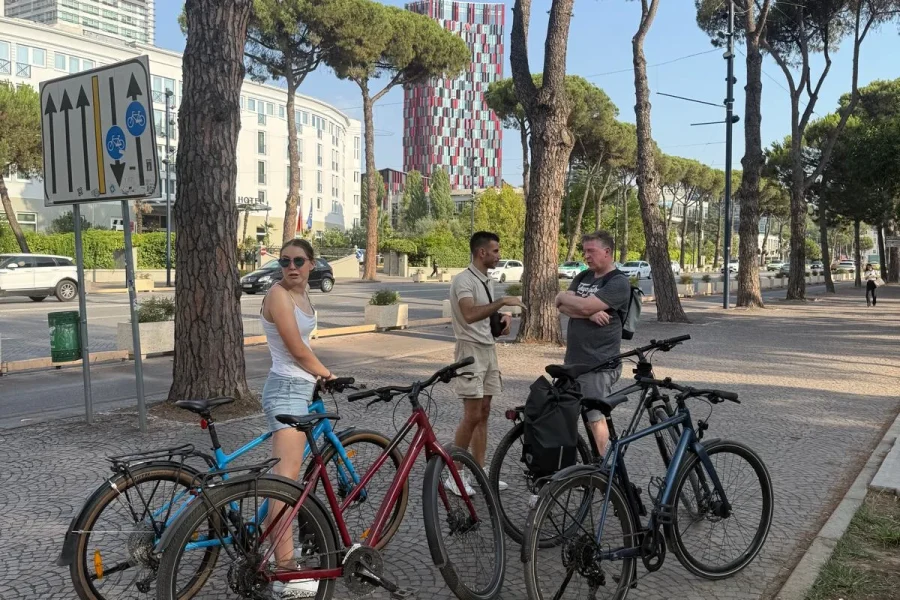
Take part in our Free Walking Tour Tirana to stroll through the city’s historic centre and hidden corners, or join the Tirana Bike Tour for a quick, fun ride between Tirana’s landmarks. Both tours offer an easy, guided way to turn your visit into a full Tirana experience.
Independence Monument Tirana – Location in Rinia Park and Nearby Landmarks
The Independence Monument Tirana enjoys a prime location in one of the city’s most accessible and lively public spaces: Rinia Park Tirana. This strategic placement ensures the memorial is not only easy to visit but also situated within walking distance of some of the capital’s most iconic landmarks. For travellers exploring Tirana—especially those following a cultural itinerary curated by albaniaturism.com—the memorial becomes a natural focal point of the city centre.
Where Is the Independence Memorial Located in Tirana?
The memorial stands at the southern edge of Rinia Park, just off the central boulevard that connects Skanderbeg Square with the Grand Park and the Presidential Office. Because of its central position, visitors can comfortably integrate the site into any walking tour of Tirana.
From the memorial, guests can easily reach:
- Skanderbeg Square – the heart of the capital’s cultural district
- Tirana Castle – a revitalised pedestrian zone inside the ancient fortress walls
- The Pyramid of Tirana – a modern cultural and youth centre
- The National Gallery area – home to major art and cultural venues
Using an albaniaturism.com guided route ensures efficient navigation, insightful commentary, and an optimised flow between these attractions.
Rinia Park Tirana – Why This Location Matters
Rinia Park is one of Tirana’s oldest green spaces and has long served as a communal gathering point. By placing the Independence Memorial here, the designers ensured that Albania’s national story remains connected to everyday life. Families, students, and travellers all pass through the park, creating a living backdrop for a monument that celebrates the continuation of Albanian identity.
For visitors, Rinia Park serves as a refreshing break from the city’s urban density. Shaded paths, cafés, and fountains give the area a relaxed ambiance, making it an ideal place to reflect on the meaning of the memorial after learning about its historical significance.
Visitor Access – Can Tourists Visit the Memorial Year-Round?
Yes—the memorial is accessible 24/7 and has no entrance fee, making it one of Tirana’s most visitor-friendly attractions. Because it is outdoors, travellers can enjoy it at any time of year; however, guided tours through albaniaturism.com typically recommend visiting during morning or late afternoon light, when the monument’s structure casts dramatic shadows and creates more striking photos.
The memorial’s convenient location ensures tourists can easily combine the visit with other nearby highlights through the curated half-day Tirana city tours offered on albaniaturism.com, designed for travellers who want to maximise insight, comfort, and cultural value during their stay.
Albanian Independence – Historical Context and National Significance
Understanding Albanian independence is key to appreciating the purpose and symbolism of the Independence Memorial in Tirana. For travellers who want to go beyond simply “seeing” monuments and instead understand the story behind Albania’s freedom, this section forms the emotional and historical core of any guided cultural experience. AlbaniaTurism.com integrates this history into its city tours, allowing visitors to explore not only the physical sites but the deeper national identity they represent.
Albania Ottoman Empire Independence – The 1912 Turning Point
Albania’s declaration of independence in 1912 marked the end of more than four centuries of Ottoman rule. For generations, Albanians preserved their language, traditions, and sense of identity despite repression and political fragmentation. The independence movement gained momentum in the late 19th century, driven by intellectuals, patriots, and regional leaders who envisioned a sovereign Albanian state.
On 28 November 1912, in the coastal city of Vlora, Ismail Qemali raised the national flag and proclaimed Albania’s independence—a moment that reshaped the country’s destiny. This event is at the heart of the memorial’s message: that freedom is born from courage and unity.
When Was the Independence Memorial in Tirana Inaugurated?
To commemorate the 100th anniversary of this historic moment, the Independence Memorial in Tirana was inaugurated in 2012, becoming a central element of nationwide centennial celebrations. Government officials, historians, artists, and thousands of citizens gathered to unveil the monument, marking a century of national sovereignty.
The timing was deliberate: the open tower design symbolises not only independence but the modern era of Albania—an era shaped by openness, European integration, democracy, and cultural revival. This centennial monument reinforces the idea that independence is not a moment frozen in history but a legacy that continues to shape Albania’s present and future.
Albanian National Heroes Commemorated
The memorial also functions as a tribute to the national heroes who led and protected the independence movement. Foremost among them is Ismail Qemali, the statesman who headed the provisional government in 1912. His influence is felt not only through historical records but also through landmarks across the capital, including the nearby Ismail Qemali statue, which many travellers visit immediately after the memorial.
Other figures, such as Luigj Gurakuqi, Isa Boletini, and the patriots of the Albanian National Awakening, are symbolically represented through the monument’s vertical lines—each one a metaphor for resilience and collective strength.
AlbaniaTurism.com integrates these stories into its guided tours, enabling visitors to experience not just the visual monument but the national struggle, unity, and passion that brought the independent Albanian state to life.
Ismail Qemali Statue Tirana – Connection to the Memorial
The Ismail Qemali statue Tirana offers a complementary experience to the Independence Memorial. Together, these two landmarks form a narrative arc that helps visitors understand both the historical events of 1912 and the individuals who made them possible. Walking between the statue and the memorial transforms a simple visit into an immersive cultural journey—especially when guided by an expert from albaniaturism.com, who can connect the symbolism, history, and national significance of both sites.
Who Was Ismail Qemali?
Ismail Qemali (1844–1919) was the visionary leader behind Albania’s declaration of independence. A diplomat, reformist thinker, and respected statesman, Qemali dedicated his life to securing freedom and recognition for the Albanian people. His political career spanned major European capitals, where he tirelessly advocated for Albanian rights and self-governance.
In 1912, he became the first head of the Albanian government, establishing a foundation for the modern Albanian state. His leadership, diplomacy, and unifying vision are the reasons he is remembered as the “Father of the Nation”—a role represented in the Tirana statue bearing his name.
Nearby Ismail Qemali Statue – A Complementary Visit
Located within walking distance of the Independence Memorial, the Ismail Qemali statue gives visitors the chance to reflect on the human story behind the struggle for national independence. While the memorial symbolises the broader collective experience, Qemali’s statue personalises the narrative, grounding it in the life of a real leader whose efforts changed the course of Albanian history.
The statue often serves as a key stop on historical walking tours because it provides an intimate setting to discuss Qemali’s life, values, challenges, and diplomatic achievements. Visitors gain a deeper appreciation for the sacrifices made during the independence movement and the determination required to establish a nation.
Why AlbaniaTurism.com Tours Enhance This Journey
Travellers who visit both the memorial and the statue with albaniaturism.com gain access to enriched storytelling, insider insights, and cultural context unavailable elsewhere. Guides explain:
- how Qemali’s leadership shaped the independence movement,
- why his legacy is central to Albanian identity,
- how the statue and memorial complement each other,
- and how independence continues to influence Tirana’s modern character.
By linking monuments to living narratives, AlbaniaTurism.com transforms a historical walk into a meaningful experience that inspires, educates, and emotionally connects visitors with Albania’s past.
Design and Artistic Elements of the Independence Memorial
The architectural beauty of the Independence Memorial in Tirana attracts travellers not only for its historic meaning but also for its striking contemporary aesthetic. For visitors who appreciate public art, national symbolism, and modern design, this monument offers a visually captivating and intellectually rich experience. AlbaniaTurism.com guides often highlight the artistic choices behind the structure, enabling travellers to understand how every shape, line, and material plays a role in telling Albania’s story of liberation.
Who Created the Independence Memorial in Tirana?
The monument was designed by two acclaimed architects, Visar Obrija (Kosovo) and Kai Kiklas (Germany). Their collaborative vision sought to merge Albanian cultural identity with contemporary minimalist design. Rather than creating a traditional figurative monument, the architects opted for a structure that communicates history through form rather than depiction.
Obrija and Kiklas approached the project with the idea that independence is not a static concept—it is dynamic, evolving, and shaped by the people who uphold it. The monument’s clean lines and open structure reflect this belief, making it a modern and interpretive representation of national resilience.
The Open Tower Shape – Symbolism Explained
At the heart of the memorial’s design is its open tower shape. This architectural concept symbolises the Albanian nation rising from the constraints of foreign rule and moving toward self-determination and openness.
The vertical beams represent:
- the strength and unity of the Albanian people,
- the historical layers of resistance,
- the progressive ascent toward democracy,
- and the transparency of modern governance and identity.
Light filters through the gaps in the structure, creating different shadow patterns throughout the day. These visual transformations symbolise how Albania’s understanding of freedom continues to evolve. During guided tours, AlbaniaTurism.com experts often invite visitors to stand inside the tower, where the interplay of light and shadow creates an immersive sensory experience that reinforces the monument’s message of hope.
Materials, Size, and Architectural Details
The monument is built primarily from durable metal beams and concrete elements, chosen for both longevity and symbolic value. Metal refers to endurance and the unbreakable spirit of the Albanian people, while the open-air design allows the surrounding environment to “participate” in the artwork.
The structure’s verticality is deliberate: it invites visitors to look upward, representing aspiration and the continual striving for a better future.
Visitors often note that the monument feels simultaneously heavy with historical significance and light in its physical form—a balance that mirrors Albania’s national transformation. With the guidance of AlbaniaTurism.com, travellers gain insight into how architectural choices communicate identity, freedom, and collective memory.
Tourist Attraction Tirana – How to Visit the Independence Memorial
As one of the most meaningful and accessible landmarks in the capital, the Independence Memorial has become a key tourist attraction in Tirana. Its central location, symbolic power, and open design make it a must-visit for travellers seeking to understand Albania’s national character. For those planning their city exploration, AlbaniaTurism.com offers curated routes that integrate the memorial seamlessly into enriching cultural tours.
Is There an Entrance Fee to Visit the Independence Memorial?
One of the reasons the site is so visitor-friendly is its completely free access. The memorial is open at all hours, every day of the year. Whether travellers are exploring Tirana early in the morning, during a daytime walking tour, or in the evening when the city’s lights create a dramatic contrast with the monument’s metallic structure, the experience is always available.
Although visiting independently is simple, booking a local guide through AlbaniaTurism.com adds depth, context, and convenience, especially for visitors who want to combine the memorial with other major attractions in a single, well-organized itinerary.
What Other Monuments in Tirana Commemorate Albanian Independence?
Tirana features several sites connected to Albania’s struggle for sovereignty. Travellers can enrich their independence-themed tour by visiting:
- Ismail Qemali Statue – celebrating the leader of the independence movement.
- Tirana Castle – symbolising medieval autonomy and later national consolidation.
- Skanderbeg Square – honouring Albania’s medieval hero and modern identity.
- The National Historical Museum – home to exhibits on the independence period.
- Monuments in Vlora (recommended as a full-day excursion through AlbaniaTurism.com), including the iconic Independence Monument marking where the declaration was signed.
AlbaniaTurism.com tours often combine these sites into a curated historical route, ensuring that visitors receive not just visuals, but a cohesive narrative of Albania’s journey to nationhood.
Why Book a Professional Guide for Tirana’s Independence Trail
For a monument so rich in symbolism, a self-guided walk often leaves travellers with questions. This is where AlbaniaTurism.com makes a significant difference. Guided tours provide:
- engaging storytelling by local experts,
- historical context beyond what signs offer,
- efficient routes connecting multiple independence-related sites,
- personalised recommendations for dining, museums, and cultural events.
Most importantly, travellers gain a deeper emotional connection to Albania—its struggles, victories, and identity. This transforms a standard sightseeing trip into a meaningful cultural journey and ensures visitors understand not only what they are seeing, but why it matters.
What Does the Independence Memorial in Tirana Represent? – Symbolism and Meaning
For many travellers, understanding what the Independence Memorial in Tirana represents transforms a simple visit into a profound cultural experience. This monument is not merely an architectural installation; it is a visual narrative of Albania’s transformation from centuries of foreign rule to a modern, self-governing nation. AlbaniaTurism.com offers guided interpretations that help visitors grasp the depth of this meaning, making the experience far more memorable and emotionally resonant.
A Monument to Freedom and National Identity
The memorial represents the birth of the Albanian state and the resilience of a nation that fought to preserve its cultural identity during centuries of Ottoman domination. Its open-air tower structure symbolises the rise from oppression into light—a journey from constraint to openness. Every vertical line signifies an era, a struggle, or a collective memory embedded in the national consciousness.
For visitors standing beneath the monument, the symbolism becomes visceral. The design draws your gaze upward, reminding you that independence is something Albanians had to fight for, defend, and continually nurture. Many guided visitors describe the moment as unexpectedly emotional, especially when a guide explains how the monument reflects the hopes of generations.
The Dual Message: Reflection and Inspiration
The monument communicates two core messages:
- Reflection – A remembrance of past struggles, political hardships, and the long road to independence.
- Inspiration – A reminder that Albania’s future is grounded in openness, unity, and democratic aspiration.
This duality is what makes the memorial such a powerful cultural landmark. AlbaniaTurism.com guides use this symbolism to connect the site with broader themes of Albanian heritage, making the visit relevant even for travellers unfamiliar with the country’s history.
Why This Symbolism Appeals to Modern Travellers
Travellers today seek experiences that go beyond passive sightseeing. They want meaning, storytelling, and authenticity. The Independence Memorial offers all three.
When paired with professional guiding from AlbaniaTurism.com, visitors gain:
- emotional insight into the Albanian national identity,
- understanding of the architectural choices behind the monument,
- context about the political and cultural transformations of the 20th century,
- and a sense of connection to the people who shaped the nation.
This transforms a simple landmark into a highlight of any Tirana itinerary.
Where Is the Independence Memorial Located in Tirana? – Visitor Orientation & Practical Tips
Many visitors planning their city tour want to know precisely where the Independence Memorial is located in Tirana so they can organise their route efficiently. With its central placement in the city’s vibrant cultural zone, the memorial is one of the easiest landmarks to access. AlbaniaTurism.com uses this advantage to build well-designed itineraries that allow travellers to explore multiple major attractions in a single outing.
Exact Location: Rinia Park, Central Tirana
The memorial stands at the southern section of Rinia Park Tirana, a beloved public space located between Skanderbeg Square and the Lana River. This position is ideal for visitors because it places the monument within a comfortable walking distance of key cultural sites along the main boulevard.
The location is especially convenient because:
- It is 2–3 minutes from Skanderbeg Square,
- 5 minutes from Tirana Castle,
- 7 minutes from the Pyramid of Tirana,
- and surrounded by cafés, pedestrian paths, and open spaces perfect for sightseeing breaks.
How to Get There
Travellers can reach the memorial easily by:
- Walking from central Tirana hotels, hostels, and apartments,
- Taxi or rideshare, arriving directly at the entrance of Rinia Park,
- Public buses running along the main boulevard.
For personalised convenience, AlbaniaTurism.com includes this stop in all half-day and full-day Tirana cultural tours, ensuring visitors never have to navigate alone or search for directions.
Best Time to Visit the Independence Memorial
Because the memorial is outdoors and open 24/7, the experience varies depending on the time of day:
- Morning offers the best lighting for photography,
- Late afternoon creates dramatic shadow patterns through the metal beams,
- Evening offers a peaceful, reflective ambiance as the city softens around the park.
Guides from AlbaniaTurism.com often recommend late afternoon visits to combine optimal lighting with cooler temperatures, especially in the summer months.
Nearby Landmarks That Enhance Your Visit
Visitors who reach the memorial can easily explore several related attractions in the same walk, such as:
- the Ismail Qemali statue,
- the National Historical Museum,
- the revitalized Pedonalja walking street,
- and the Grand Park entrance.
AlbaniaTurism.com integrates these points into curated routes so travellers can enjoy a seamless, informative, and enjoyable journey through the historical and cultural heart of Tirana.
Independence monument Tirana – Architecture, Symbolism, and Meaning
The Independence monument Tirana stands as a powerful visual tribute to the birth of the Albanian nation. Designed with bold, modernist lines and a dynamic composition, the monument represents Albania’s long and difficult journey toward self-determination.
At its core, the structure symbolizes strength, unity, and the unbreakable spirit of the Albanian people. The rising forms are often interpreted as the collective struggle of Albanians who fought against centuries of occupation, culminating in the declaration of independence in 1912.
The monument’s polished surfaces and geometric shapes invite visitors to move around it, encouraging reflection on the sacrifices that shaped the modern Albanian state. Whether you visit during the day or illuminated at night, the memorial leaves a deep emotional impression.
Albanian independence – The Road to Freedom
Albanian independence was the result of centuries of resilience against foreign rule, particularly during the long Ottoman period. By the late 19th century, the national awakening (Rilindja Kombëtare) gained momentum as Albanian intellectuals, activists, and patriots worked toward cultural and political autonomy.
The turning point came on November 28, 1912, when Ismail Qemali and a group of representatives from across Albanian regions gathered in Vlorë to declare independence. This historic act ended Ottoman sovereignty and laid the foundation for the modern Albanian state.
Today, the Independence Memorial in Tirana serves not only as an artistic tribute but as a reminder of the bravery, strategic diplomacy, and unity that allowed Albania to stand as an independent nation. Visitors gain insight into a pivotal moment that continues to shape Albanian identity and pride.
Rinia Park Tirana – The Green Heart Surrounding the Memorial
Rinia Park Tirana provides the perfect backdrop for the Independence Memorial, creating a peaceful and inviting environment where history blends with everyday life. The memorial is located at the edge of the park, making it easy for visitors to explore the monument before enjoying a relaxing walk through one of Tirana’s most beloved green spaces.
Rinia Park is full of life—families strolling, students gathering under the trees, and tourists taking photos of the city’s vibrant atmosphere. Cafés, fountains, open-air art installations, and shaded benches make it an ideal place to rest after visiting the memorial. Because the park is centrally located, it also connects several major attractions, making the Independence Memorial a natural stop on a city tour.
Albanian national heroes – Figures Commemorated at the Memorial
The Albanian national heroes honored at—or connected to—the Independence Memorial reflect the values of courage, unity, and sacrifice. While the memorial itself is a symbolic structure, it is often associated with the leaders of Albania’s independence movement, especially Ismail Qemali, the central figure behind the 1912 Declaration of Independence.
Other notable heroes of the era include Luigj Gurakuqi, Isa Boletini, and Dom Nikollë Kaçorri, all of whom played instrumental roles in mobilizing support for a free Albanian state. Nearby plaques, educational displays, and guided tours often highlight their contributions, helping visitors understand the historical context behind the monument.
By visiting the memorial, travelers not only see a modern landmark but also connect with the legacy of the individuals who shaped Albania’s national identity.
Conclusion
The Independence Memorial Tirana stands today as one of Albania’s most meaningful modern monuments—a place where history, symbolism, and national pride come together in the heart of the capital. Whether you are passionate about culture, curious about Albania’s struggle for freedom, or simply exploring the city’s central attractions, the memorial offers a powerful and visually striking encounter with the story of independence.
Its location beside Rinia Park, close to major landmarks and the statue of Ismail Qemali, makes the memorial an easy and rewarding stop for every visitor. The open-tower design, created by Visar Obrija and Kai Kiklas, invites reflection on Albania’s transition from oppression to liberty and stands as a reminder of the resilience of the Albanian people.
For travelers seeking an authentic connection to Albania’s past, this monument is more than a photo opportunity—it is a gateway to understanding the values that shaped the nation. And when explored together with other independence-related sites across Tirana, it becomes part of a richer, more comprehensive journey through Albanian history.
If you want to experience the story of Albania’s independence through expertly designed tours, seamless organization, and local insights, albaniaturism.com is your trusted companion. Let us help you discover the monuments, people, and places that define Albania—starting with the unforgettable Independence Memorial Tirana.
0 Comment