 English




Where Filikuri Beach Is Located
Filikuri Beach is located on the Albanian Riviera, just south of the town of Himara, in Vlorë County. Tucked away between steep coastal cliffs, the beach sits below the coastal road that connects Himara with Llamani and other southern Riviera villages. Locally, it is known as Gjiri Filikuri, which simply means “Filikuri Bay,” a name that perfectly reflects its enclosed, protected shape.
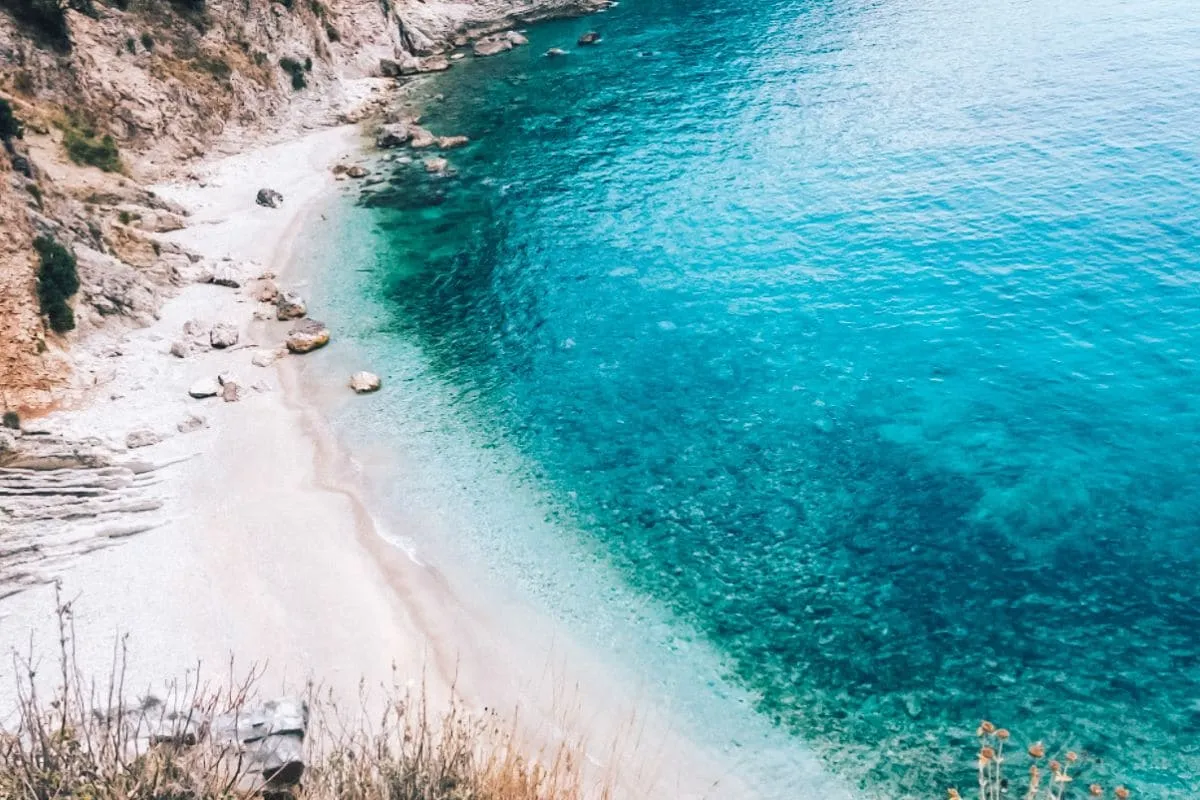
Unlike beaches that stretch along the roadside, Filikuri Beach is invisible from most viewpoints unless you know exactly where to look. From above, the bay appears as a narrow opening in the cliffs, with intensely blue water that deepens in color as the seabed drops off. This hidden position is the main reason Filikuri has remained unspoiled despite Albania’s growing popularity as a beach destination.
What Makes Filikuri Beach Unique
What sets Filikuri Beach apart from other Riviera beaches is its raw, untouched character. There are no sunbeds, umbrellas, or concrete platforms. The shoreline is made up of natural pebbles, and the surrounding cliffs create a dramatic amphitheater that blocks noise and wind on calm days. The water is exceptionally clear, often revealing fish and rock formations even without snorkeling gear.
Because access is limited, visitor numbers stay relatively low—even in July and August. This creates a rare feeling of isolation that’s increasingly hard to find along the Mediterranean. Many travelers describe Filikuri as “wild,” not in a dangerous sense, but in the way nature feels dominant and unchanged. It’s not a beach you stumble upon; it’s one you intentionally seek out.
First impressions are powerful here. Whether you arrive by hiking down the rocky path or approaching from the sea, the contrast between the rugged cliffs and the calm, glassy water leaves a lasting impact. It’s common for visitors to spend far longer than planned, simply swimming, floating, and enjoying the silence.
Filikuri Beach Near Potami – Distance & Orientation
For travelers familiar with Himara, it helps to understand Filikuri Beach near Potami as a quieter, more remote alternative. Potami Beach lies just north of Himara and is easily accessible by car, with cafés, parking, and long stretches of shoreline. Filikuri, by contrast, is only a short distance away in terms of geography, yet feels worlds apart in atmosphere.
The distance between Potami Beach and Filikuri Beach is small enough that many visitors combine them in a single day. Some start the morning at Potami for coffee and an easy swim, then head south toward Filikuri for a more adventurous afternoon. This contrast highlights why Filikuri is so appealing: it offers something fundamentally different from the more developed Riviera beaches.
For travelers who want both comfort and adventure during their stay in Himara, Filikuri Beach fits perfectly into a balanced itinerary. It’s close enough to civilization to be reachable, yet remote enough to feel like a secret—exactly the kind of place people imagine when they dream of discovering Albania’s hidden coast.
Filikuri Beach Access – All Ways to Get There Explained
Reaching Filikuri Beach access is part of the adventure—and also the reason it remains unspoiled. There is no direct road to the shore, which means visitors must choose between hiking, approaching by sea, or combining transport methods. Each option offers a very different experience, and the right choice depends on your fitness level, timing, and comfort with the sea.
How to Get to Filikuri Beach from Himara by Foot
Many travelers ask how to get to Filikuri Beach from Himara on foot, and the answer is simple but important: it requires preparation. The hike starts from the coastal road south of Himara, near a marked pull-off above the cliffs. From there, a rocky path descends steeply toward the bay.
Walking from central Himara to the trailhead takes around 30–40 minutes, depending on pace. The descent itself is short but technical, with loose stones and uneven terrain. This route is best attempted in daylight and cooler hours. While doable for active travelers, it’s not recommended for those with knee problems or limited mobility.
Filikuri Beach by Car – What’s Possible and What’s Not
Driving directly to Filikuri Beach is not possible. The coastal road passes above the bay, but there is no vehicle access to the shoreline. Drivers can park near the roadside pull-off and continue on foot. Parking space is limited in summer, and stopping in the wrong spot can be unsafe or result in fines.
This is one of the main reasons visitors underestimate Filikuri Beach access. On maps, the beach appears close to the road, but the vertical drop makes the final approach the real challenge. Local guidance helps avoid unnecessary detours and unsafe parking decisions.
Filikuri Beach Boat & Kayak Access
Approaching Filikuri Beach by boat is the easiest and most relaxed option. Small boats and water taxis operate from Himara during the summer season, weather permitting. Arriving by sea reveals the bay gradually, with cliffs opening to calm, deep-blue water—an unforgettable first view.
For active travelers, Filikuri Beach kayak access is also popular, especially from Potami Beach. The paddle takes about 45–60 minutes one way, depending on sea conditions. Kayaking offers freedom and incredible coastal views, but it should only be done in calm weather with basic sea experience.
Many visitors choose guided boat or kayak trips through albaniaturism.com to avoid timing mistakes and weather risks. Local skippers know when the sea is safe and how long to stay before afternoon winds arrive, making the experience smoother and safer.
Filikuri Beach Hike – Difficulty, Time & Real Tips
The Filikuri Beach hike is short but demanding, and understanding what to expect makes the difference between an amazing experience and an exhausting one. While not a long trek, the terrain and exposure require respect.
How Difficult Is the Hike to Filikuri Beach?
The hike to Filikuri Beach is considered moderate to challenging, mainly due to the steep descent and rocky surface rather than distance. There are no technical climbing sections, but loose stones and uneven steps require stable footwear and careful footing.
This hike is suitable for active adults and older teenagers who are comfortable walking on rough paths. It is not recommended for small children, flip-flops, or anyone with balance or joint issues. Going down is manageable for most people; the real test comes on the way back up, especially in heat.
How Long Does the Hike Take?
From the roadside trailhead, the descent to Filikuri Beach takes approximately 20–30 minutes. The return hike uphill usually takes 30–40 minutes, depending on fitness and temperature. Many first-time visitors underestimate the return climb, particularly in midday sun.
It’s important to plan enough energy and water for the ascent. Unlike longer hikes, there are no shaded rest points along the path, and once you’re at the beach, there are no facilities to refill supplies.
Practical Hiking Tips from Local Guides
From guiding travelers along this route, a few tips consistently make the hike easier and safer:
- Wear closed, non-slip shoes (hiking shoes or sturdy trainers)
- Bring at least 1.5–2 liters of water per person
- Start early in the morning or late afternoon
- Avoid hiking back during peak heat hours
- Pack light, but don’t skip sun protection
Local guides often time visits carefully, allowing guests to enjoy Filikuri Beach when the sea is calm and the hike is most comfortable. For many visitors, combining a short hike with a boat return is the perfect balance—effort on the way down, relaxation on the way back.
Understanding the realities of the Filikuri Beach hike helps you decide whether to go independently or choose a guided option. Either way, preparation turns this demanding access into a rewarding part of the Filikuri experience.
Best Time to Visit Filikuri Beach & Weather Conditions
Choosing the best time Filikuri Beach can completely change your experience. Because this beach is exposed to the open Ionian Sea and has limited access, weather, wind, and timing matter more here than at easily accessible beaches around Himara. Visiting at the right moment ensures calm water, safer access, and a far more enjoyable day.
Best Months to Visit Filikuri Beach
The ideal period to visit Filikuri Beach is from late May to late June and again from mid-September to early October. During these shoulder seasons, temperatures are warm but not extreme, the sea is clear, and visitor numbers remain low. The hiking path is safer without intense heat, and boat or kayak access is more predictable.
July and August are also possible, but they require careful planning. Mid-summer brings higher temperatures, stronger afternoon winds, and more visitors arriving by boat. If you choose to visit during peak season, early morning access is strongly recommended to avoid rough seas and exhausting heat during the return hike.
Weather, Wind & Sea Conditions
Filikuri Beach is particularly sensitive to wind direction. Mornings are usually calm, with glassy water ideal for swimming, snorkeling, and kayaking. By early afternoon, sea breezes often strengthen, creating waves that make swimming less comfortable and kayaking unsafe for inexperienced paddlers.
Boat access also depends on sea conditions. On windy days, skippers may cancel trips for safety reasons. This is why local knowledge is essential—conditions can look calm from Himara while being rough near the cliffs. Planning with experienced local operators reduces the risk of disappointment or unsafe situations.
Best Time of Day to Visit
The best time of day to visit Filikuri Beach is between 8:00 and 11:30 in the morning. At this time, the sea is calm, the sun is not yet overwhelming, and the hike back up is manageable. Late afternoon visits can also work in shoulder season, but returning after sunset is not advisable due to the rocky trail.
For photographers and swimmers alike, morning light highlights the bay’s turquoise tones and cliff formations. Many guided tours are scheduled early for exactly this reason, offering visitors the beach at its most peaceful and visually striking.
Filikuri Beach Pebbles, Swimming & Snorkeling
Understanding the natural conditions at Filikuri Beach pebbles, water depth, and marine life helps set realistic expectations—especially for swimming, snorkeling, or visiting with family members. This is not a sandy, shallow resort beach, but for many travelers, that’s precisely the appeal.
What the Beach Is Like (Pebbles, Entry & Shade)
Filikuri Beach is covered in smooth white and gray pebbles rather than sand. While this means no sand sticking to your skin, it also makes water shoes highly recommended. The shoreline slopes quickly into deep water, which keeps the sea exceptionally clear but requires confident swimming skills.
Natural shade is very limited. The cliffs provide some shade in the early morning and late afternoon, but during midday, the beach is fully exposed to the sun. Visitors should bring hats, sunscreen, and enough water, as there are no trees or structures offering cover.
Is Filikuri Beach Good for Swimming & Snorkeling?
Yes—Filikuri Beach is excellent for swimming and snorkeling under the right conditions. The deep, clear water allows for great visibility, often revealing schools of small fish near the rocky edges of the bay. Snorkeling is best in the morning when the sea is calm and light penetrates the water evenly.
Because the seabed drops off quickly, weaker swimmers should stay close to shore. There are no lifeguards, so personal responsibility is essential. Calm sea conditions turn Filikuri into a natural swimming pool; rough conditions can make entry and exit challenging.
Is Filikuri Beach Suitable for Families?
Filikuri Beach is not ideal for families with small children. The steep access, lack of facilities, deep water, and pebble shore make it better suited for couples, solo travelers, and active adults. Older children who are strong swimmers and used to hiking may enjoy the adventure, but constant supervision is necessary.
Families seeking easier access and amenities often prefer Potami or Llamani beaches nearby. Filikuri is best seen as an adventure beach—perfect for travelers who value nature, silence, and raw beauty over comfort and convenience.
Facilities at Filikuri Beach & What to Pack
Planning ahead is essential for a smooth visit to Filikuri, because Filikuri Beach is intentionally undeveloped. The absence of facilities is part of its charm—but it also means visitors must be fully self-sufficient.
Are There Bars, Toilets, or Sunbeds at Filikuri Beach?
There are no facilities at Filikuri Beach. You won’t find bars, restaurants, toilets, sunbeds, umbrellas, or trash bins. This is one of the main reasons the bay has stayed pristine, with clear water and a peaceful atmosphere even during summer.
For many travelers, this lack of infrastructure is exactly what they are looking for: no loud music, no vendors, and no pressure to rent anything. For others, especially first-time visitors, it can come as a surprise. Understanding this in advance helps you decide whether Filikuri matches your travel style or whether a more organized beach nearby is a better fit.
Because there are no services, everything you bring must also be carried back out. Responsible visitors help preserve Filikuri by taking all waste with them.
What to Pack for Filikuri Beach
Packing correctly turns Filikuri Beach from a challenge into a pleasure. Based on local experience, these items are essential:
- Water: at least 1.5–2 liters per person (more in summer)
- Food or snacks: no shops nearby
- Water shoes: pebbles and rocky entry
- Sun protection: hat, sunscreen, sunglasses
- Snorkeling gear: mask and fins for best visibility
- Light towel or mat: no sunbeds available
- Small backpack: hands free for hiking or boat access
Avoid overpacking, especially if you plan to hike back. Every extra item feels heavier on the uphill return.
Guided vs Independent Visit – What’s Safer
Independent visits work well for experienced travelers who understand coastal conditions and hiking terrain. However, guided visits remove uncertainty around weather, timing, and safe access. Local guides know when sea conditions change and can adapt plans quickly.
Many visitors choose a mixed approach: hiking down independently and returning by boat, or joining a half-day guided experience that includes transport, safety oversight, and local insights. This balance keeps the adventure while reducing risk—especially during peak summer months.
Filikuri Beach vs Potami & Llamani – Which One Is Right for You?
Choosing between Filikuri Beach, Potami, and Llamani depends on what kind of beach experience you want. Although these beaches are geographically close, they offer very different atmospheres and levels of comfort.
Filikuri Beach vs Potami Beach
Potami Beach is one of the most accessible beaches near Himara. It has easy parking, cafés, sunbeds, and long stretches of shoreline. It’s ideal for relaxed swimming, social beach days, and travelers who want convenience.
Filikuri Beach, on the other hand, offers isolation and raw beauty. There are fewer people, no noise, and a stronger connection to nature. You trade comfort for atmosphere. Travelers who value silence, snorkeling, and a sense of discovery usually prefer Filikuri, while those wanting a laid-back, no-effort beach day choose Potami.
Best for:
- Potami → families, casual swimmers, comfort seekers
- Filikuri → couples, adventurers, nature lovers
Filikuri Beach vs Llamani Beach
Llamani Beach sits south of Himara and is partially developed, with beach bars and organized swimming areas. The water is clear and deep, similar to Filikuri, but access is straightforward by car.
Filikuri feels more dramatic and secluded, while Llamani offers a compromise between wild nature and basic services. Visitors who enjoy swimming in deep water but don’t want a hike often choose Llamani instead.
One-Day Riviera Itinerary Combining Beaches
Many travelers enjoy combining beaches in one day:
- Morning swim and coffee at Potami
- Midday adventure to Filikuri Beach
- Late afternoon stop at Llamani for food and sunset
This approach lets you experience multiple sides of the Himara coast—comfort, adventure, and scenery—in a single day. Filikuri often becomes the highlight of that itinerary, remembered long after the trip ends.
Tours, Kayaks & Experiences at Filikuri Beach
While independent travelers can reach Filikuri on their own, many visitors choose guided experiences to enjoy Filikuri Beach without stress, timing mistakes, or safety concerns. Because access depends heavily on weather, sea conditions, and local knowledge, organized tours often deliver a better overall experience—especially for first-time visitors to the Himara coast.
Guided Boat Trips to Filikuri Beach
Boat trips are the most comfortable and reliable way to reach Filikuri Beach. Small boats depart from Himara harbor during the summer season and approach the bay directly from the sea. This eliminates the hike entirely and allows visitors to arrive relaxed and ready to swim.
Guided boat trips typically include:
- Experienced local skipper
- Life jackets and safety equipment
- Flexible timing based on sea conditions
- Stops for swimming and photos along the cliffs
Approaching Filikuri Beach by boat is also the most scenic option. The cliffs slowly open into the bay, revealing the intense blue water that makes this spot so famous. For many guests, this arrival alone becomes a highlight of their Albania trip.
Kayak Experiences Along the Himara Coast
For active travelers, kayaking to Filikuri Beach offers a unique blend of adventure and freedom. Kayaks usually launch from nearby beaches such as Potami, following the coastline south toward Filikuri. The route passes sea caves, rock formations, and quiet coves rarely seen from land.
Kayak trips are best suited for:
- Calm sea days
- Visitors with basic paddling experience
- Morning departures before wind picks up
Guided kayak tours add an important safety layer. Local guides monitor weather changes, help with pacing, and choose the safest return route. This is especially valuable for visitors unfamiliar with Ionian Sea conditions.
Why Book Filikuri Beach Experiences with albaniaturism.com
albaniaturism.com works directly with local skippers and guides who know this coastline intimately. Instead of fixed, rushed itineraries, tours are adapted to daily conditions—something large operators rarely offer.
Benefits of booking through albaniaturism.com include:
- Small-group or private experiences
- Honest advice on best days to visit
- No unnecessary stops or tourist traps
- Local support before and during your trip
For travelers who want Filikuri Beach to be memorable for the right reasons, guided experiences remove guesswork and let you focus on enjoying one of Albania’s most beautiful hidden bays.
Real Visitor Experiences & Local Insights
Filikuri Beach leaves a strong impression on almost everyone who visits. Over the years, we’ve heard consistent feedback from travelers—and certain patterns emerge that are worth sharing before you go.
What Travelers Love Most About Filikuri Beach
Visitors often describe Filikuri Beach as one of the most “real” places they experience in Albania. The absence of buildings, music, and crowds creates a rare sense of calm. Many guests say it feels like discovering a secret rather than visiting a tourist attraction.
The water color is another frequent highlight. On calm mornings, the bay reflects shades of turquoise and deep blue that rival far more famous Mediterranean beaches. Snorkelers are often surprised by how quickly fish appear near the rocks, even close to shore.
Common Mistakes First-Time Visitors Make
Despite its beauty, Filikuri Beach can disappoint those who arrive unprepared. The most common mistakes include:
- Underestimating the hike back up in heat
- Bringing too little water
- Arriving too late in the day when winds increase
- Wearing flip-flops instead of proper shoes
These mistakes don’t ruin the experience entirely, but they can turn a relaxing visit into an exhausting one. Most issues are easily avoided with basic planning or local advice.
Local Advice You Won’t Find on Google Maps
One important insight locals know: Filikuri Beach changes character throughout the day. What looks calm and inviting at 9 a.m. can feel rough by early afternoon. This is why early visits are consistently better, especially for swimming and kayaking.
Another tip is to avoid weekends in peak summer if possible. Boat traffic increases, and the sense of isolation that defines Filikuri can fade quickly. Midweek mornings in June or September offer the closest thing to having the beach to yourself.
These small details—timing, access choices, and realistic expectations—are what separate a good visit from an unforgettable one. Filikuri Beach rewards those who respect its nature and plan accordingly.
Pricing, Booking Options & What to Expect
Understanding pricing and what’s included helps travelers decide whether a guided experience at Filikuri Beach is right for them. Because access to this beach is limited and conditions change daily, prices reflect not just transport, but safety, timing, and local expertise.
Typical Prices for Filikuri Beach Experiences
Prices vary depending on season, group size, and access method. As a general reference:
- Boat trips to Filikuri Beach: usually range from €25–€45 per person, depending on duration and whether stops at other bays are included
- Guided kayak tours: typically €40–€60 per person, including equipment and guide
- Private boat experiences: priced higher, but ideal for couples or small groups seeking flexibility
These prices cover more than just transport. You’re paying for experienced local skippers, safety equipment, and decision-making based on real-time sea conditions—something independent travelers often underestimate.
What’s Included in a Guided Experience
When booking through albaniaturism.com, experiences are designed to be transparent and practical. Most guided Filikuri Beach trips include:
- Local guide or skipper
- Safety briefing and equipment
- Optimized timing based on weather
- Time for swimming, snorkeling, and relaxation
- Support before and during the activity
What’s usually not included:
- Food and drinks
- Personal snorkeling gear (sometimes available on request)
- Hotel transfers unless specified
This clarity helps visitors plan better and avoid surprises on the day of the trip.
Who Benefits Most from Booking in Advance
Booking ahead is especially recommended if you:
- Visit during July or August
- Want kayak access on calm-sea mornings
- Prefer private or small-group experiences
- Have limited time in Himara
Advance booking ensures availability and allows guides to choose the best possible day for Filikuri Beach, rather than forcing the visit into unsafe or uncomfortable conditions.
Conclusion – Is Filikuri Beach Worth It?
For travelers seeking raw beauty, silence, and a sense of discovery, Filikuri Beach is absolutely worth it. This is not a place for sunbed hopping or beach bars—it’s a destination for people who value nature over convenience and experience over ease.
Filikuri rewards effort. Whether you hike down the cliffs, paddle along the coast, or arrive by boat, the moment you step onto the pebbles and see the water open up in front of you, the journey makes sense. Few beaches on the Albanian Riviera still feel this untouched, especially so close to a lively town like Himara.
That said, Filikuri isn’t for everyone. Families with small children, travelers with limited mobility, or those wanting full facilities may enjoy Potami or Llamani more. Knowing this in advance helps you choose the right beach for your style—and avoid disappointment.
If Filikuri Beach does match what you’re looking for, the smartest way to experience it is with proper planning. Local timing, sea knowledge, and access decisions make a huge difference here. That’s where albaniaturism.com comes in.
0 Comment