 English



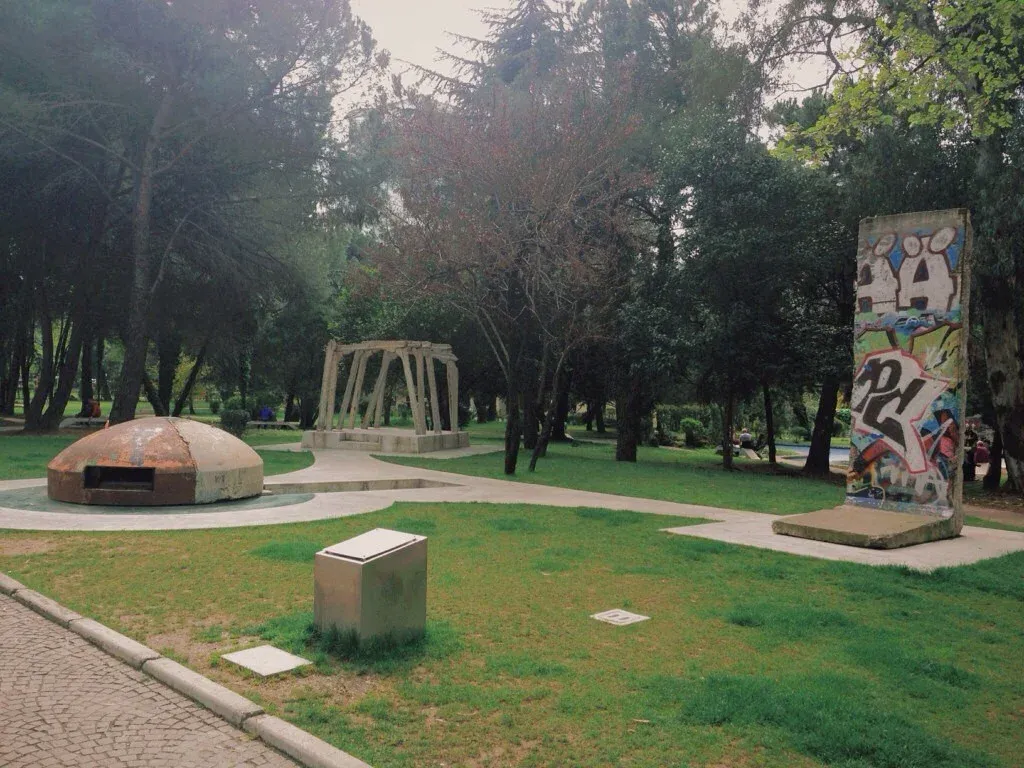

Postbllok Checkpoint – Memorial is a significant landmark in Tirana that commemorates Albania’s communist past and honors the political prisoners who suffered under the regime. Situated on Dëshmorët e Kombit Boulevard, this memorial serves as a poignant reminder of the harsh realities of life under the Enver Hoxha regime. Known locally as the Postbllok Memorial, it was established to educate visitors about the oppression and isolation tactics used during Albania’s communist era. The site, often referred to as a communist isolation monument, is an essential stop for anyone exploring Tirana sightseeing memorials or seeking to understand Albania’s turbulent history.
The memorial functions not only as a historical site but also as a place for reflection. Once a checkpoint for state surveillance, it now stands as a powerful symbol of resilience, freedom, and the enduring memory of those who endured political persecution. Its location in the heart of Tirana makes it accessible to tourists and locals alike, offering a tangible connection to Albania’s past.
Historical Context of the Memorial
The Postbllok Checkpoint – Memorial is deeply rooted in the history of the Enver Hoxha regime, which ruled Albania with strict authoritarian control from 1944 to 1985. During this period, political dissent was harshly punished, and thousands of citizens were imprisoned, exiled, or executed. The memorial specifically honors the Albania political prisoners, many of whom were confined in labor camps and notorious prisons such as Spaç Prison.
Albania’s communist regime was characterized by extreme isolation from the outside world, pervasive surveillance, and the construction of communist-era bunkers across the country to instill fear and control. The Postbllok Memorial preserves the memory of this oppressive era while highlighting the nation’s journey toward democracy. By visiting the site, people gain insight into the struggles faced by ordinary Albanians and the resilience required to overcome decades of totalitarian rule.
Visiting the Postbllok Checkpoint Memorial
For those interested in Tirana sightseeing memorials, the Postbllok Checkpoint – Memorial is both accessible and informative. Located on Dëshmorët e Kombit Boulevard, it is easy to reach by foot or public transport. The memorial is open year-round, and visitors can explore the site freely, although guided tours are available for a more in-depth understanding of its historical significance.
Visitors are encouraged to take their time walking among the communist-era bunkers, examining the Spaç Prison artifacts, and reflecting on the Berlin Wall piece in Tirana. Photography is allowed, making it a popular stop for tourists documenting Albania’s history.
Want to explore more of Tirana while visiting Postbllok?
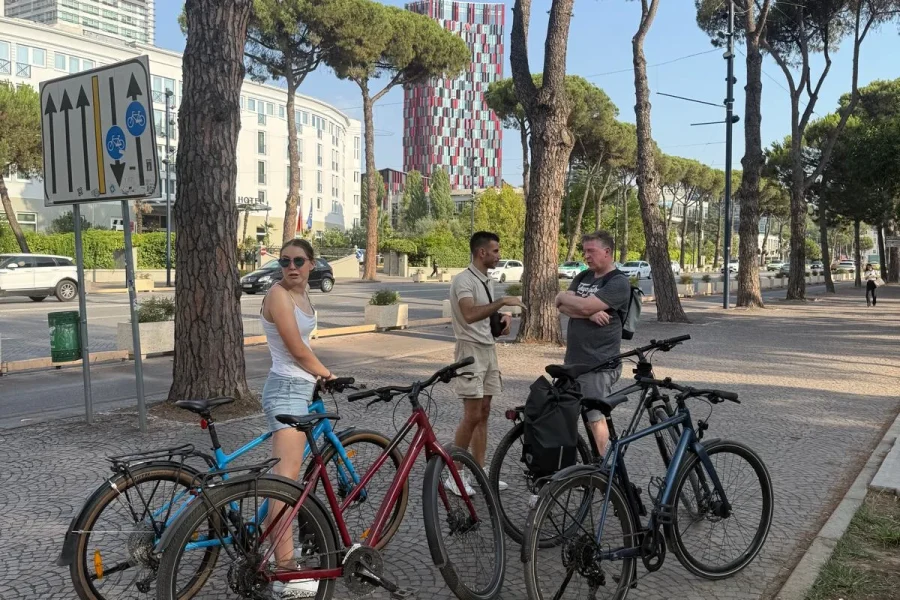
Take a Free Walking Tour Tirana to see the city’s hidden corners and historic streets, or hop on the Tirana Bike Tour for a guided ride through Tirana’s main landmarks. Both tours are a great way to turn your visit into a full Tirana experience!


Design and Symbolism of the Memorial
The Postbllok Checkpoint – Memorial is more than just a historical site; it is a carefully designed space rich in symbolism. The memorial features three main elements, each telling a different story of Albania’s communist past.
- Communist-era bunkers – Scattered across the memorial, these small concrete bunkers reflect the paranoia and defensive mindset of the Hoxha regime. They symbolize isolation, control, and the pervasive fear that shaped daily life in communist Albania.
- Spaç Prison artifacts – Metal girders and other relics from the infamous Spaç Prison are integrated into the memorial, representing the suffering endured by political prisoners. Spaç Prison was one of the harshest labor camps in Albania, and its artifacts serve as a tangible connection to the human cost of totalitarian rule.
- Berlin Wall fragment in Tirana – A piece of the Berlin Wall is displayed at the site, linking Albania’s experience of oppression to broader European history. This fragment symbolizes both division and eventual liberation, reminding visitors of the universal struggle for freedom.
Together, these elements create a powerful narrative. The memorial invites reflection on Albania’s difficult past while celebrating the resilience of those who survived political persecution. Each element is strategically placed to guide visitors through a historical and emotional journey, making it one of the most significant Albanian historical landmarks in Tirana.
Importance and Impact
The Postbllok Checkpoint – Memorial stands as a crucial reminder of Albania’s difficult past and the resilience of its people. As a communist isolation monument, it provides visitors with a tangible connection to the harsh realities of life under the Enver Hoxha regime. By showcasing the suffering of political prisoners and the oppressive systems in place, the memorial plays a vital role in educating both locals and tourists about Albania’s history.
Beyond its educational purpose, the memorial fosters reflection and remembrance. It emphasizes the importance of freedom, democracy, and human rights while honoring those who endured persecution in prisons like Spaç Prison. Today, it is considered one of the most meaningful Albania political prisoners memorials and a must-visit for anyone exploring Tirana sightseeing memorials or the city’s historical landmarks. Its impact extends beyond tourism, serving as a cultural and historical touchstone for generations to come.
Frequently Asked Questions (FAQ)
1. What is the Postbllok Checkpoint Memorial?
The Postbllok Checkpoint – Memorial is a landmark in Tirana that commemorates Albania’s communist past and honors the political prisoners who suffered under the Enver Hoxha regime. It features bunkers, Spaç Prison artifacts, and a piece of the Berlin Wall.
2. Where is the Postbllok Checkpoint located in Tirana?
It is located on Dëshmorët e Kombit Boulevard, near the city center, making it accessible by foot, taxi, or public transport.
3. What are the key elements of the Postbllok Memorial?
The memorial includes communist-era bunkers, Spaç Prison artifacts, and a fragment of the Berlin Wall in Tirana, each representing different aspects of Albania’s history under communism.
4. Who created the Postbllok Memorial and when was it opened?
The memorial was designed by Albanian artists and historians and was officially inaugurated in the early 2000s to preserve the memory of political oppression during the communist era.
5. What is the significance of the Berlin Wall piece at the memorial?
The Berlin Wall fragment symbolizes both division and liberation, connecting Albania’s history of oppression to the wider European struggle for freedom.
6. How does the memorial honor political prisoners of Albania?
By displaying Spaç Prison artifacts and documenting the harsh realities of political imprisonment, the memorial serves as a tribute to those who endured persecution and as a reminder of the importance of human rights.
7. Can visitors access the Postbllok Memorial for free?
Yes, access to the memorial is free for all visitors, although guided tours may have a fee.
8. What is the best time to visit the Postbllok Checkpoint in Tirana?
Early morning or late afternoon is ideal to avoid crowds and enjoy a reflective visit.
9. Are guided tours available for the Postbllok Memorial?
Yes, guided tours are available and recommended for visitors who want detailed historical context and insight into the memorial’s symbolism.
10. Why is the Spaç Prison important in Albanian history?
Spaç Prison was one of the harshest labor camps under the communist regime. Its artifacts at the memorial highlight the suffering endured by political prisoners and serve as a stark reminder of Albania’s past oppression.
0 Comment