Vjosa River is one of Europe’s last truly wild rivers, winding freely through the stunning landscapes of Albania. Unlike most European rivers that have been dammed or heavily modified, the Vjosa flows naturally, creating a rare and pristine ecosystem that supports a rich diversity of wildlife. For travelers seeking adventure, tranquility, and a connection with nature, the Vjosa River in Albania offers a unique experience unlike any other in Europe’s network of rivers.
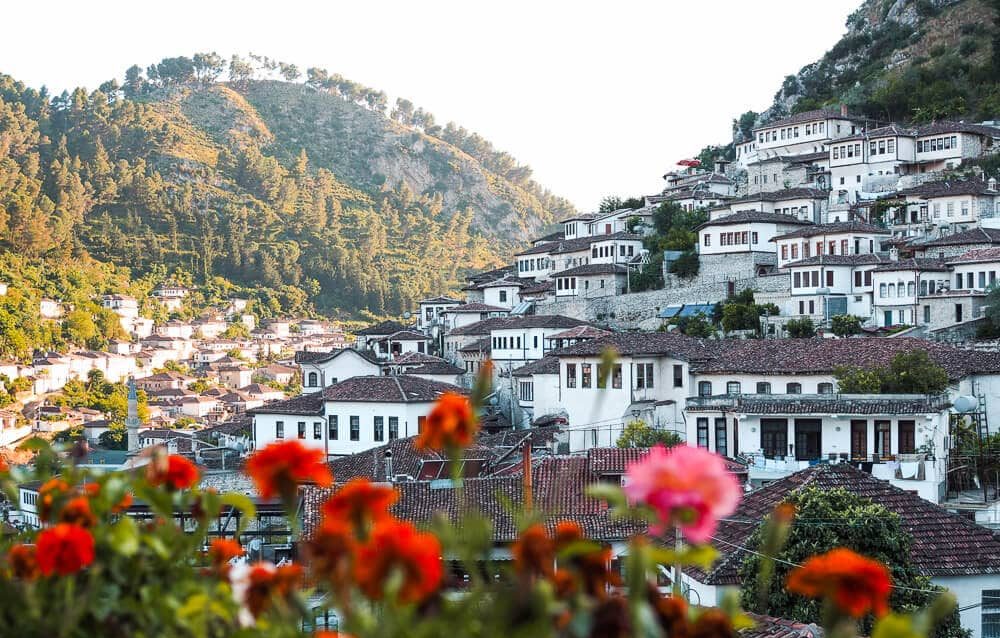
Often referred to as the “Amazon of Europe,” the Vjosa is celebrated not only for its natural beauty but also for its cultural and historical significance. Ancient settlements, Ottoman bridges, and traditional villages line its banks, offering visitors a glimpse into centuries of human interaction with the river. The combination of wild landscapes and rich cultural heritage makes the Vjosa a must-see destination for eco-tourists and adventure enthusiasts alike.
What makes the Vjosa River unique in Europe?
The Vjosa River’s uniqueness lies in its free-flowing status. Unlike other rivers in Europe that have been transformed by dams, the Vjosa maintains its natural course, creating dynamic habitats such as rapids, sandbanks, wetlands, and floodplains. This unaltered flow allows the river to support an extraordinary variety of species, from endemic fish to migratory birds. Its untouched nature also makes it a vital corridor for wildlife, connecting mountains, valleys, and the Adriatic coast in a seamless ecological network.
Why visit the Vjosa River in Albania?
Visiting the Vjosa River offers travelers the chance to experience raw nature up close. Whether kayaking along its rapids, hiking in the surrounding gorges, or exploring traditional villages like Përmet and Tepelenë, every moment on the river immerses you in a landscape that feels both wild and timeless. Responsible tourism is encouraged here, allowing visitors to enjoy the river’s beauty while supporting local conservation efforts. For those looking to explore the area safely and comprehensively, Vjosa National Park tours provide guided experiences that highlight the river’s ecology and cultural landmarks.
Geography and Source of the Vjosa River
The Vjosa River tributaries and source contribute to its remarkable ecosystem and scenic beauty. Originating in the Pindus Mountains of Greece, where it is known as the Aoos River, the waterway flows through rugged gorges and highland valleys before entering Albania. From there, it travels approximately 270 kilometers across southern Albania, eventually reaching the Adriatic Sea near the town of Vlorë. Its journey touches a series of important towns, including Përmet, Tepelenë, and Memaliaj, each offering unique cultural experiences and local hospitality.
The river’s numerous tributaries, such as the Sarantaporos, Drino, and Shushicë, play a crucial role in sustaining the Vjosa’s ecosystem. These tributaries feed wetlands, floodplains, and forested areas that are home to a wide range of species. The river’s dynamic flow creates constantly changing habitats, from shallow gravel beds to deep pools, supporting fish like the European eel and barbel, as well as migratory birds and mammals including otters and foxes.
Where does the Vjosa River start and end?
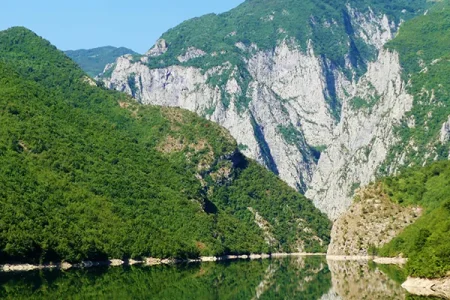
The Vjosa River begins in the Pindus Mountains of northwestern Greece and crosses into Albania near the border town of Konispol. From there, it meanders through Albania’s southern valleys and finally empties into the Adriatic Sea near Vlorë. Along its journey, the river carves out deep gorges, expansive floodplains, and diverse riparian landscapes that make it one of Europe’s most scenic and ecologically valuable waterways.
What is the Vjosa River ecosystem like?
The Vjosa River ecosystem is a vibrant mosaic of habitats, including gravel banks, sand islands, wetlands, and forested floodplains. These environments support over 200 species of birds, numerous freshwater fish, amphibians, and mammals, as well as a wide variety of aquatic and riparian plants. Its status as a largely undisturbed river allows natural processes, such as flooding and sediment transport, to continue without interference, creating a dynamic environment that is crucial for biodiversity. Conservation initiatives in the area aim to protect this delicate ecosystem while promoting sustainable tourism and local engagement.
Ecological Importance and Biodiversity
The Vjosa Wild River National Park is renowned for its incredible biodiversity, making the river one of Europe’s most ecologically significant waterways. Its free-flowing nature supports a wide array of habitats, from shallow gravel beds and sandbanks to deep pools, wetlands, and riparian forests. This variety of habitats allows countless species to thrive, many of which are rare or endangered.
What species live in the Vjosa River and its surroundings?
The Vjosa River is home to a rich variety of life, including:
- Fish: European eel, barbel, marble trout, and various endemic freshwater species.
- Birds: Kingfishers, herons, cormorants, and migratory species that rely on the river corridor for nesting and feeding.
- Mammals: Otters, foxes, wild boar, and bats that inhabit surrounding forests and caves.
- Flora: Native riparian trees such as willows and poplars, as well as aquatic plants crucial for stabilizing the river ecosystem.
This biodiversity underscores the river’s significance as a protected area. It is also a rare example of a wild European river that maintains natural ecological processes like seasonal flooding, sediment transport, and dynamic habitat formation, all of which are critical for sustaining life along its banks.
Why is the Vjosa a protected area?
Recognizing its global ecological value, Albania has taken measures to protect the Vjosa River. Legal protections and international recognition, including its designation as part of a national park and efforts to maintain it as a UNESCO biosphere candidate, aim to safeguard its natural flow and ecosystems. By conserving this river, Albania preserves not just its biodiversity, but also the natural heritage that connects people, history, and nature along the Vjosa corridor.
Vjosa Wild River National Park
Vjosa National Park tours offer visitors a chance to experience the river’s extraordinary landscapes and wildlife firsthand. The park encompasses the central section of the river and surrounding areas, providing a haven for species that cannot survive elsewhere. Its designation as a protected area ensures that tourism and human activity remain sustainable, allowing the river to retain its wild character.
What is the significance of the Vjosa Wild River National Park?
The park represents one of Europe’s last wild river systems. By preserving free-flowing rivers like the Vjosa, the park plays a crucial role in:
- Maintaining ecological integrity and natural habitats.
- Supporting species diversity, including rare and endemic species.
- Offering a model for wild river conservation in Europe, inspiring similar efforts elsewhere.
Its combination of natural beauty, cultural landmarks, and adventure opportunities makes it a standout destination for travelers seeking an authentic and responsible experience.
Are there guided tours available for the Vjosa River area?
Yes, guided tours are widely available and are highly recommended for visitors who want to experience the river safely while learning about its ecology and cultural history. Activities include:
- Kayaking and rafting through scenic rapids and gorges.
- Hiking and nature walks along the riverbanks and nearby forests.
- Birdwatching and wildlife spotting, guided by experts who can explain local ecosystems.
- Visits to traditional villages, including Përmet and Tepelenë, to experience local culture and cuisine.
For a seamless experience, travelers can book Vjosa National Park tours, which combine adventure, education, and eco-friendly practices, ensuring the river’s protection while offering unforgettable memories.
Activities and Tourism on the Vjosa River
The Vjosa river activities are as diverse as the landscapes they take place in, making the river a prime destination for eco-tourism and adventure enthusiasts. Visitors can immerse themselves in the pristine environment through a variety of experiences, all designed to showcase the river’s beauty while promoting responsible tourism.
What activities can tourists do at the Vjosa River?
Some of the most popular activities include:
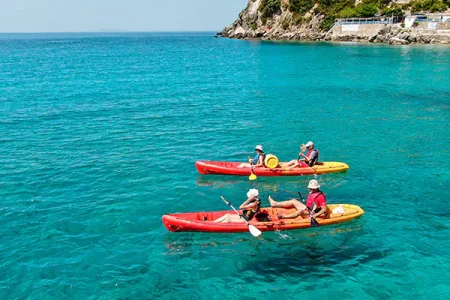
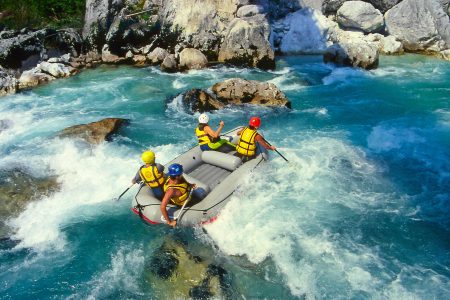
- Kayaking and rafting: Navigate the river’s rapids and calm stretches, enjoying breathtaking gorges and riverbanks. Guided tours are available for all skill levels.
- Hiking and trekking: Trails along the river provide opportunities to explore forests, wetlands, and nearby mountains while spotting wildlife.
- Birdwatching and wildlife spotting: The river’s diverse ecosystem supports over 200 bird species and a variety of mammals, making it perfect for nature enthusiasts and photographers.
- Cultural tours: Visit nearby villages like Përmet and Tepelenë to experience traditional Albanian cuisine, folklore, and hospitality.
- Fishing and nature photography: The Vjosa is home to rare freshwater species, ideal for catch-and-release fishing and capturing stunning landscapes.
For a fully guided and sustainable experience, travelers can join Vjosa National Park tours, which combine adventure, cultural exploration, and ecological education.
How can visitors respect and help conserve the Vjosa River ecosystem?
Visitors can actively protect the river while enjoying its activities by following simple guidelines:
- Stick to marked trails and waterways to minimize disturbance.
- Avoid littering and carry out all trash.
- Support local eco-friendly businesses and accommodations.
- Participate in educational tours that highlight conservation efforts.
- Observe wildlife from a distance without interfering with natural behaviors.
By respecting these principles, tourists contribute to the long-term preservation of one of Europe’s last free-flowing rivers.
Conservation Efforts and Challenges
The Vjosa River protection initiatives highlight Albania’s commitment to preserving this extraordinary natural treasure. Despite its ecological and cultural significance, the river has faced threats from potential dam construction, pollution, and habitat fragmentation. Conservation efforts by local communities, NGOs, and international organizations have been instrumental in safeguarding the river’s wild character.
How is the Vjosa River protected from environmental threats?
Several measures help ensure the river’s conservation:
- Legal protections: The designation of Vjosa Wild River National Park establishes regulations that limit construction, deforestation, and industrial activity.
- Anti-dam campaigns: Citizen activism and international advocacy successfully halted large-scale hydropower projects, keeping the river free-flowing.
- Collaborations with environmental organizations: Groups such as WWF and Patagonia support monitoring, research, and sustainable tourism initiatives.
- Community involvement: Local villages benefit from eco-tourism, creating economic incentives for preserving the river and its surroundings.
Challenges for the Vjosa River
Despite protections, the river still faces ongoing challenges:
- Illegal constructions and small-scale water diversions.
- Pollution from agriculture and settlements along the banks.
- Climate change impacting river flow, biodiversity, and flood patterns.
Sustained conservation efforts, combined with responsible tourism, are essential to maintain the Vjosa River as a living, thriving ecosystem for future generations.
Conclusion
The Vjosa River stands as one of Europe’s last truly wild rivers, a place where nature flows freely and ecosystems thrive in their most pristine form. From its origin in the Pindus Mountains to its journey through Albania’s valleys and towns, the river offers an extraordinary combination of biodiversity, adventure, and cultural heritage. Travelers can explore winding gorges, observe rare wildlife, paddle its rapids, or simply relax along its untouched banks—all while supporting ongoing conservation efforts.
Experiencing the Vjosa is not only an adventure but also a meaningful contribution to protecting one of the continent’s most important rivers. Through guided tours, eco-friendly activities, and engagement with local communities, visitors can enjoy the river responsibly while helping to preserve its wild character for generations to come.
Don’t miss the chance to explore Albania’s Vjosa River up close. Whether you’re seeking thrilling outdoor activities, stunning natural landscapes, or a deeper understanding of Europe’s last wild river, there’s something for every traveler.
- Book a guided tour: Join Vjosa National Park tours to experience kayaking, hiking, wildlife watching, and cultural visits safely and sustainably.
- Support conservation: By choosing eco-friendly tours and following local guidelines, you help protect the river’s fragile ecosystem.
- Immerse yourself in nature and culture: Explore charming towns like Përmet and Tepelenë, taste local cuisine, and connect with Albania’s heritage along the riverbanks.
The Vjosa River is waiting—a wild, unspoiled adventure that combines natural beauty, biodiversity, and cultural richness. Plan your visit today and experience the last wild river of Europe.

 English