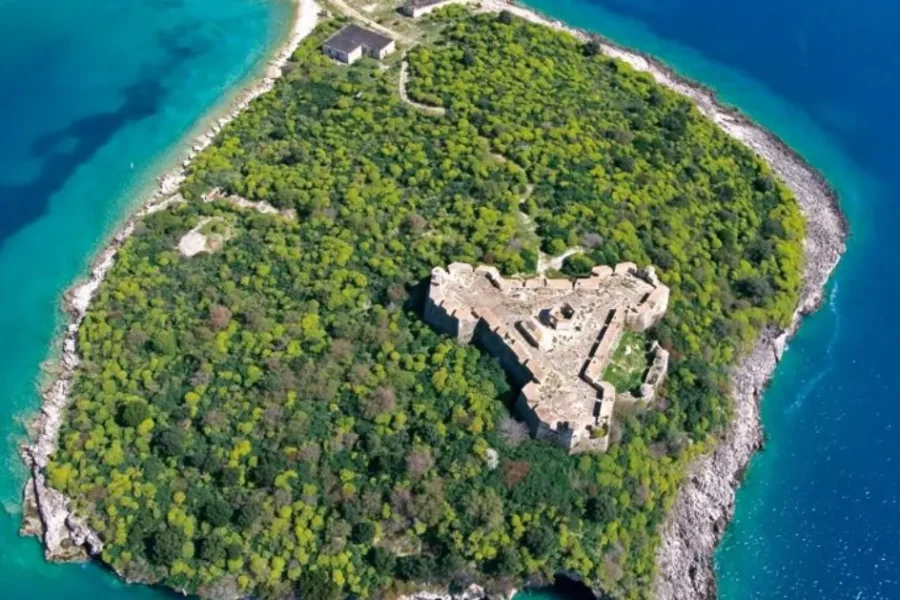
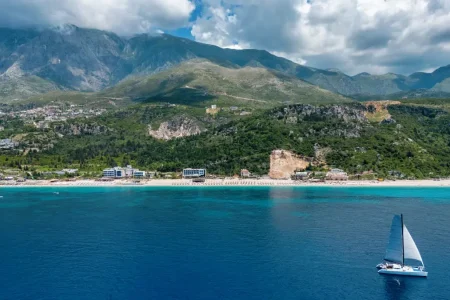
Dhërmi is one of the most captivating destinations on the Albanian Riviera, famous for its crystal-clear turquoise waters, dramatic mountain backdrop, and a coastline lined with some of the finest beaches in the entire Mediterranean. For many travellers, Dhërmi is the perfect balance between untouched natural beauty and modern holiday comfort — a place where you can unwind, explore, dance, hike, eat, and reconnect with nature all in one trip.
In a world where many European beach destinations have become overcrowded or overpriced, Dhërmi stands out as a refreshing alternative. Travellers often struggle to find a seaside destination that feels both authentic and accessible, scenic yet unspoiled, lively yet still peaceful in the right corners. Dhërmi answers this need perfectly. With long stretches of pristine beach, intimate coves, hidden caves accessible only by boat, and an atmospheric stone-built old village above the coast, the area delivers an exceptional Riviera experience without the mass-tourism feel found elsewhere.
This guide has been designed to give you everything you need for a complete visit: the history of the village, the best attractions, where to stay, what to eat, and how to plan your trip with confidence. Drawing from extensive local insights and first-hand travel experience, it aims to help you avoid common frustrations — such as misleading information, outdated maps, unclear transport instructions, or uncertainty about which beaches and attractions are truly worth your time.
1. ABOUT DHËRMI
Albanian Riviera Beaches – Introducing Dhërmi
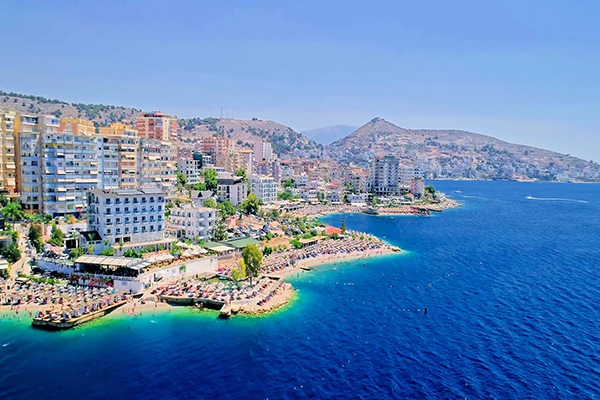
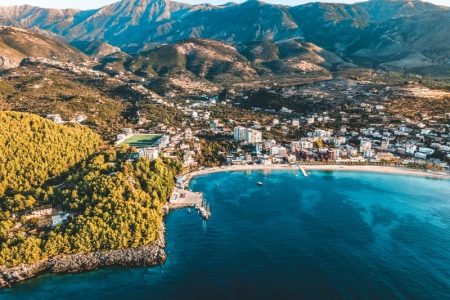
Dhërmi is one of the signature highlights of the Albanian Riviera, located between Himara and the dramatic Llogara Pass in southern Albania. Although many travellers come for the beaches, what makes Dhërmi unique is the combination of a traditional stone-built village perched on a mountainside and a sparkling coastline below it. This dual charm allows travellers to experience authentic Albanian heritage in the village, while also enjoying one of the most attractive beach environments in the Mediterranean.
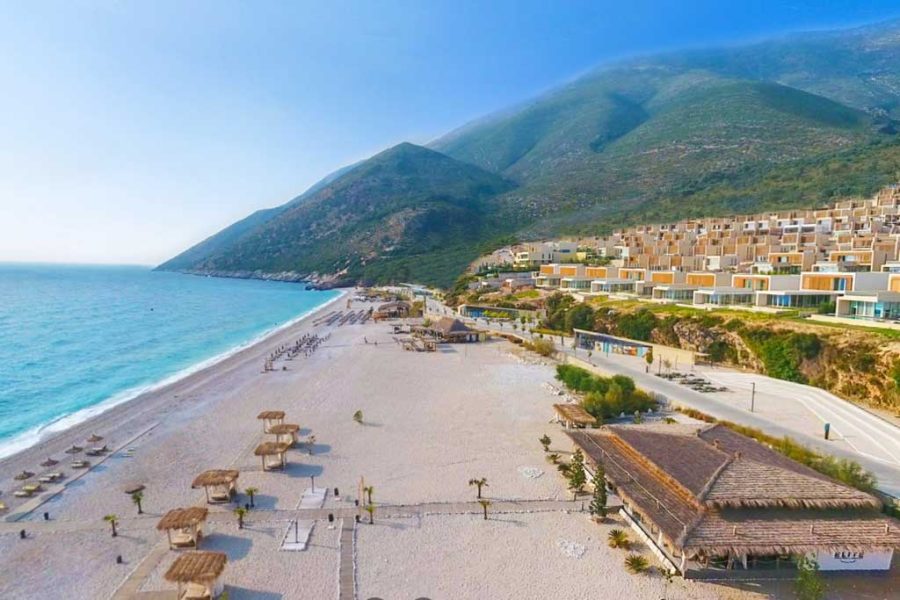
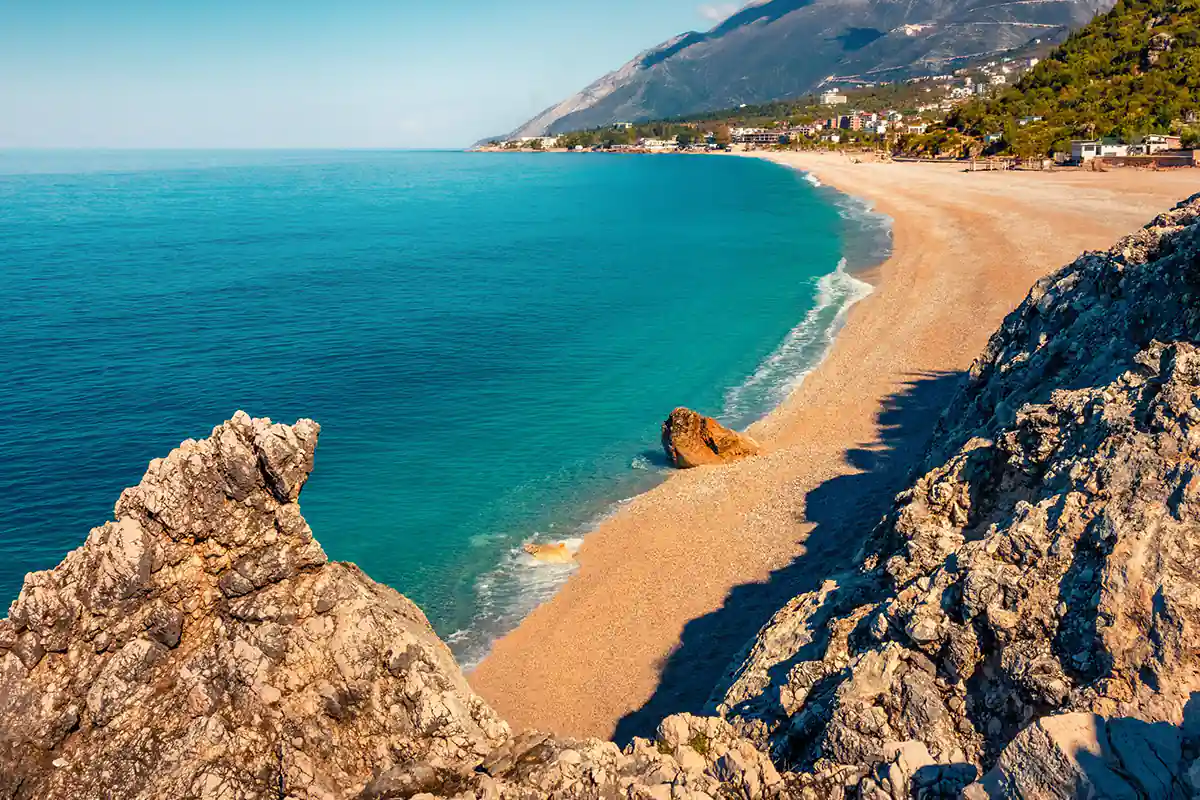
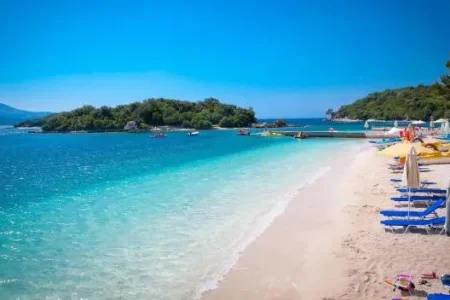
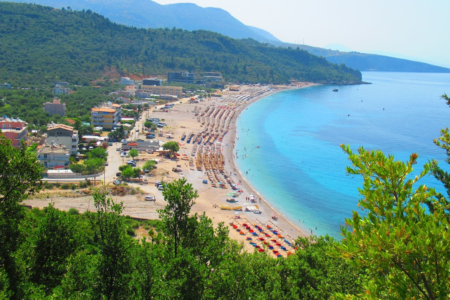
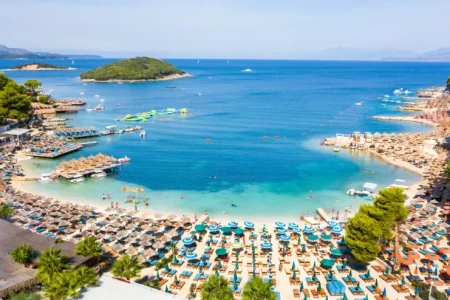
The lower part of Dhërmi — commonly referred to as Dhërmi Beach or Drymades — is a long stretch of white pebbles and exceptionally clear water. Even during peak season, the sea remains startlingly transparent, thanks to the low sand content and the natural filtering effect of the coastline’s geology. The beachfront area offers beach bars, cafés, quiet corners, and access points to neighbouring coves that feel wild and untouched.
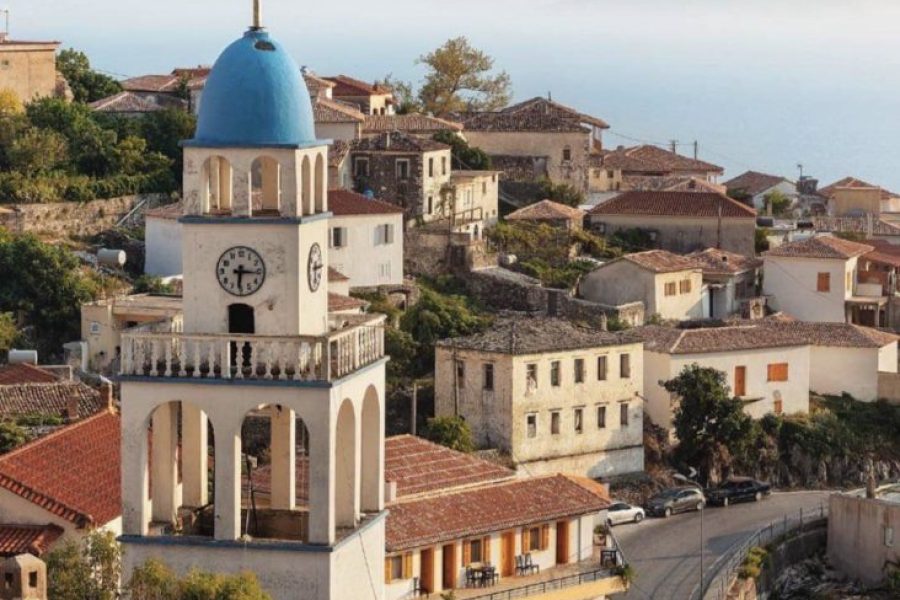
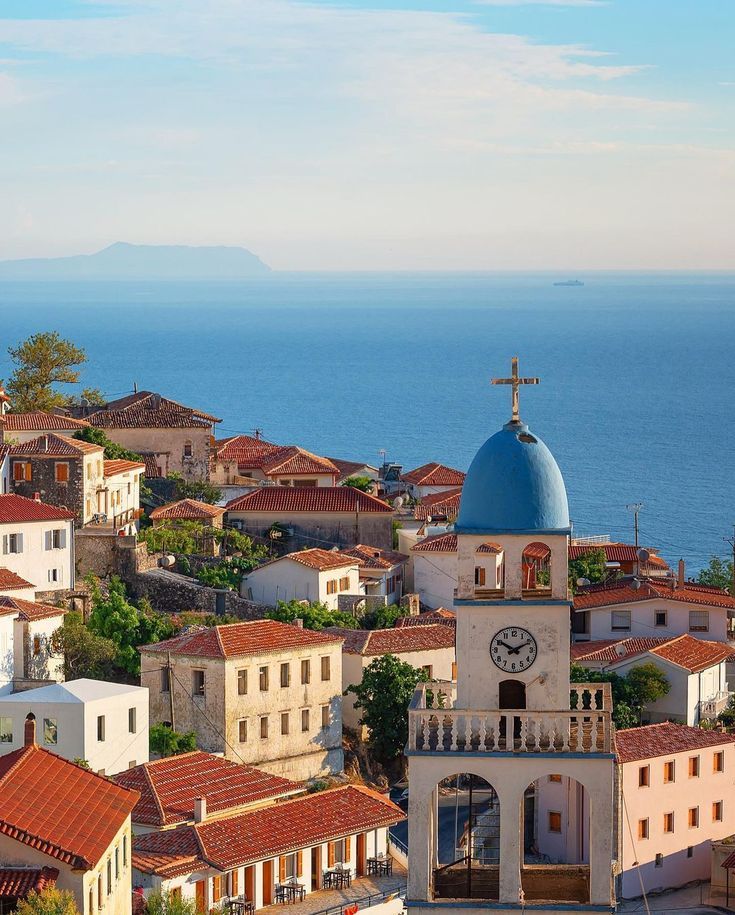
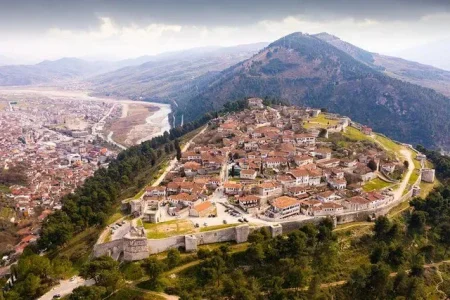
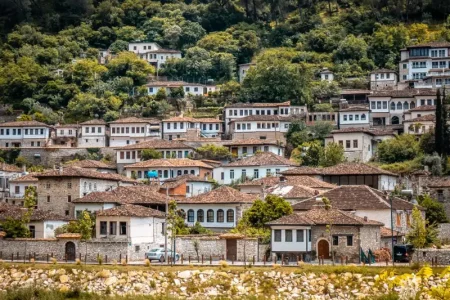
Above the coast rises the old village of Dhërmi, a labyrinth of narrow stone alleys, terracotta rooftops, traditional houses, and historic churches. Many travellers miss this part entirely, yet it remains one of the most atmospheric old villages on the Riviera. Visiting the old town gives you a glimpse into centuries of local life, architecture, and mountain culture that contrasts beautifully with the beach scene.
Dhërmi’s overall layout makes it ideal for travellers who enjoy variety: beach days, cultural walks, scenic viewpoints, and local food all lie within a short distance of each other.
History Highlights of Dhërmi
Dhërmi has a long and layered history shaped by Illyrian heritage, Greek influence, Byzantine culture, and Ottoman-era resilience. The region around Himara — of which Dhërmi is part — has always been known for its independent spirit and strong ties to the sea.
Throughout the village, several beautifully preserved Orthodox churches reflect this layered past. Among the most notable:
- St. Spiridon Church – Known for its peaceful courtyard and traditional fresco work.
- St. Mary Church (Kisha e Shën Marisë) – One of the most photographed sites in the old village.
- All Saints Church – A hilltop church offering expansive views of the coastline.
These landmarks give insight into the village’s religious and architectural heritage, showing how Dhërmi maintained its traditions despite centuries of change.
In addition to its religious sites, Dhërmi’s strategic location along historic coastal routes made it an important settlement through the Venetian and later Ottoman periods. Many of the older stone houses still carry architectural elements from these eras.
What Is Dhërmi Known For?
Dhërmi is known for its spectacular beaches, Adriatic-blue waters, dramatic landscapes, and lively summer atmosphere. Travellers often associate Dhërmi with:
- Some of the clearest waters on the Albanian Riviera
- Hidden coves and impressive sea caves
- Gjipe Canyon, one of Albania’s most remarkable natural sites
- Summer festivals like Kala Fest and Mjalt Fest
- The atmospheric old village, ideal for sunset walks and photography
- A vibrant beach nightlife scene paired with quiet zones for relaxation
This combination makes Dhërmi a destination where every type of traveller — families, couples, backpackers, adventure seekers — can find something tailored to their style.
2. TOP ATTRACTIONS IN DHËRMI
Things to Do in Dhërmi – Top Attractions and Landmarks
Dhërmi is packed with natural wonders, hidden coves, cultural treasures, and coastal highlights that appeal to every type of traveller. Whether you want to explore dramatic canyons, swim inside sea caves, relax on long beaches, or join vibrant festivals, Dhërmi provides a rich and varied list of things to do. Below are the most important attractions every visitor should consider when planning their itinerary.
Dhërmi Beach and the Coastline
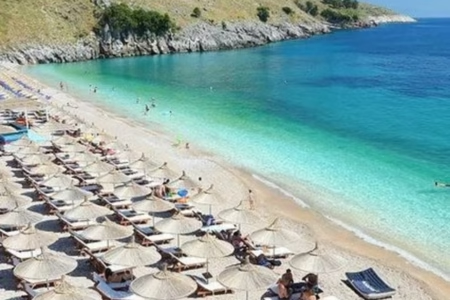
Dhërmi Beach — one of the longest and most beautiful stretches of coastline on the Albanian Riviera — is often the first stop for visitors. Its crystal-clear water, white smooth pebbles, and consistent calm conditions make it perfect for swimming, sunbathing, and snorkelling. Unlike sandy beaches that can get murky with movement, the pebbled shore of Dhërmi ensures stunning water transparency even on busy summer days.
Along the coastline, travellers can choose different zones depending on their mood. The northern side tends to be livelier, with beach bars, music, loungers, and young travellers. The southern part (towards Drymades) is calmer, more spacious, and ideal for families or couples seeking quiet corners.
Small walking paths along the water connect a series of hidden rocky coves, offering more privacy and dramatic photographic opportunities. Sunset is a particularly magical time on Dhërmi Beach, as the sun drops slowly over the open Adriatic horizon.
Cave Tours – Pirate’s Cave & Blue Gem Cave
Cave exploration is one of the most unique attractions in Dhërmi, thanks to the impressive rock formations carved by centuries of waves and wind.
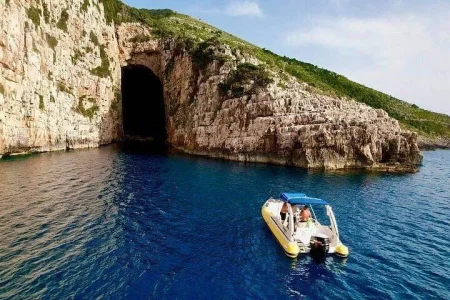
Pirate’s Cave (Shpella e Piratëve) is the most famous. It is reachable only by boat and features a towering entrance that opens into a chamber of deep blue reflections. The cave’s name comes from local legends of pirates who once used it as a hideout, though today it’s mostly a favourite stop for photographers and swimmers.
Nearby is the equally beautiful Blue Gem Cave, known for its bright, otherworldly water colour created by the way sunlight enters at specific angles. Boat tours usually combine both caves with swimming breaks, snorkel time, and visits to secluded beaches that can’t be accessed from land.
These cave experiences are among the must-do activities in Dhërmi, especially for travellers who love nature, adventure, and dramatic coastal scenery.
Gjipe Canyon Hiking & Nature Exploration
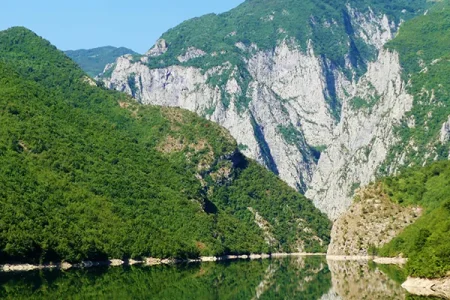
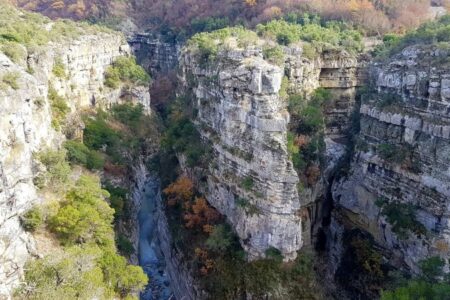
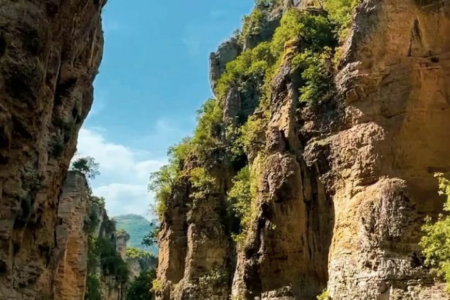
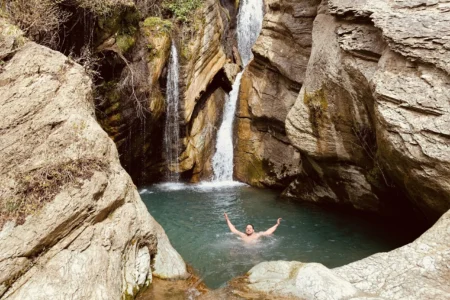
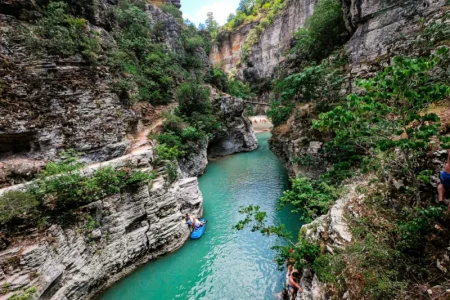
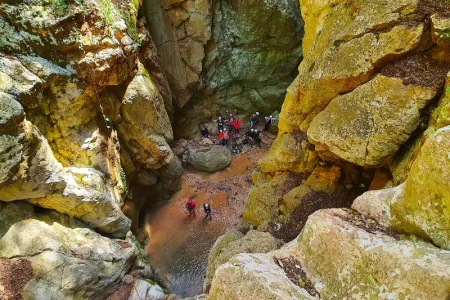
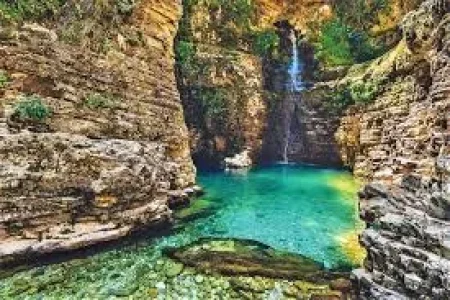
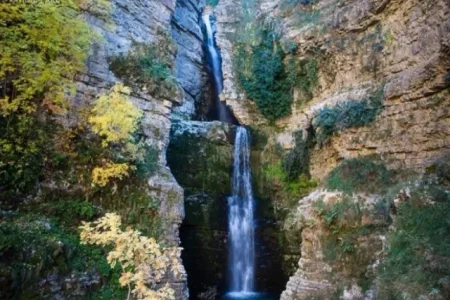
One of the top natural attractions near Dhërmi is Gjipe Canyon, a breathtaking gorge formed over thousands of years by water erosion. With towering rock walls, narrow passages, and wild vegetation, Gjipe offers an unforgettable mix of hiking, exploration, and photography opportunities.
Travellers can experience Gjipe in two ways:
- Hiking from the main road: A scenic coastal trail that descends gradually to Gjipe Beach, suitable for most visitors with basic fitness.
- Canyon exploration: Walking deeper inside the canyon, navigating between rock formations, small caves, and climbing sections. This is more adventurous and requires good footwear and a sense of balance.
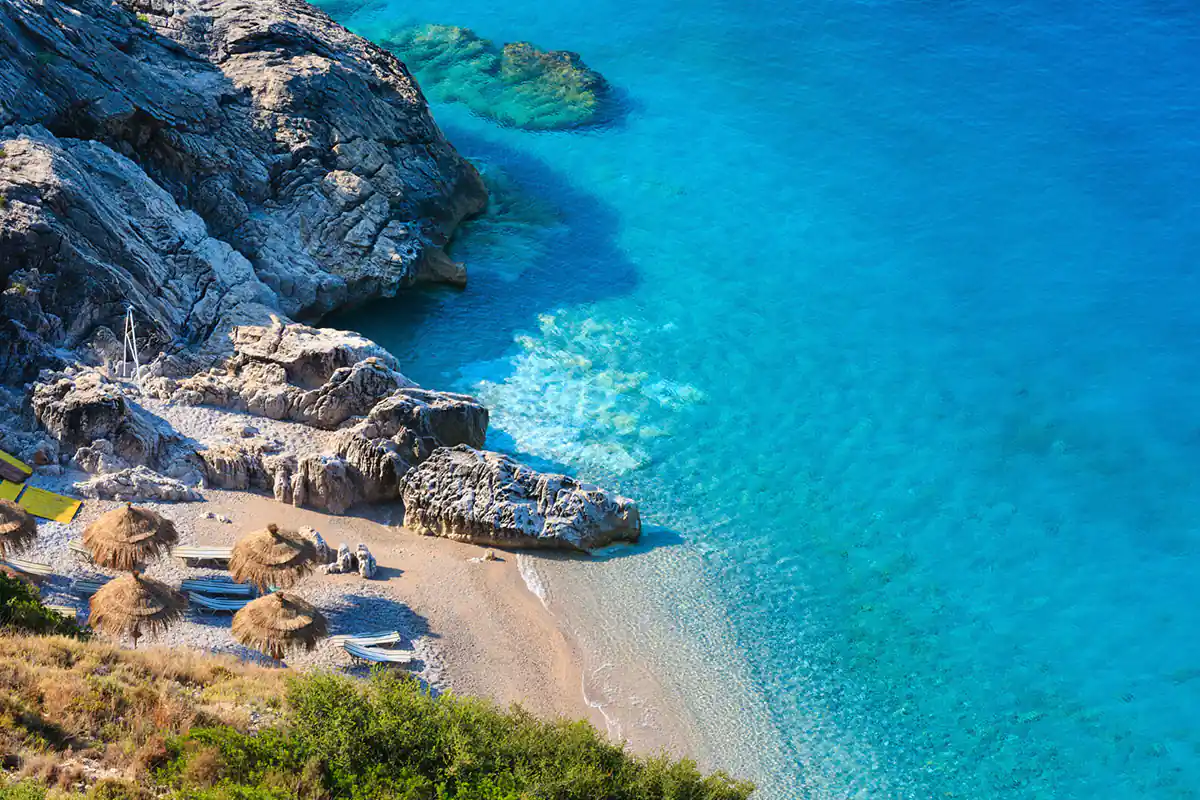
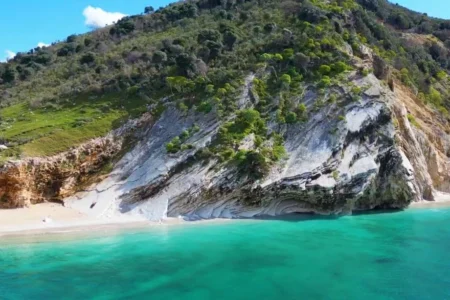
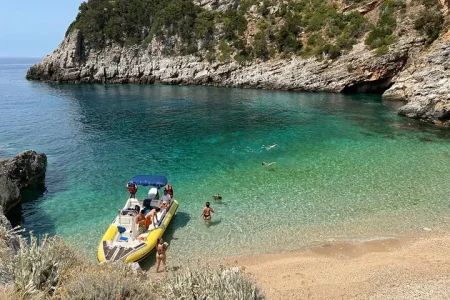
At the bottom of the canyon sits Gjipe Beach, one of the most remote and beautiful beaches in the Riviera. Its untouched feel, clear water, and dramatic backdrop make it a favourite among photographers and nature lovers.
If you enjoy combining hiking with beach relaxation, this is one of the best experiences Dhërmi has to offer.
Historical Sites – Monastery of Saint Theodore & All Saints Church
Dhërmi’s cultural heritage can be seen in the numerous churches scattered throughout the old village, but two stand out as essential visits.
The Monastery of Saint Theodore (Manastiri i Shën Theodhorit) is perched on a hillside overlooking the Riviera. While modest in structure, it offers sweeping sea views and a peaceful atmosphere perfect for reflection. Even the road leading to it provides spectacular scenery.
All Saints Church (Kisha e Gjithë Shenjtorëve) is another landmark built in traditional stone architecture. Its courtyard, quiet pathways, and rustic charm make it one of the most photographed spots in Dhërmi’s historic core.
These sites offer a window into the village’s religious traditions and architectural history — an ideal contrast to Dhërmi’s beaches and nightlife scene.
Dhërmi Festivals – Kala Fest & Mjalt Fest
Dhërmi has grown into one of Albania’s major festival destinations, particularly in early summer.
Kala Fest is an internationally known electronic and house music festival held across various beachfront venues. It features world-class DJs, boat parties, wellness sessions, and beach stages. For travellers who enjoy music, community, and high-energy summer vibes, Kala is a highlight of the Albanian festival calendar.
On the opposite end of the spectrum, Mjalt Fest (Honey Festival) celebrates local products, traditional crafts, and village culture. Held in the old village, the festival showcases honey from local beekeepers, food stands, cultural performances, and artisan products. It is ideal for families, couples, and anyone interested in local cuisine and traditions.
Together, these festivals show how Dhërmi blends modern entertainment with cultural authenticity — one of the reasons the village has become such a sought-after destination.
3. ACTIVITIES AND EXPERIENCES
Dhërmi Boat Tours – Coastal Cruises & Hidden Spots
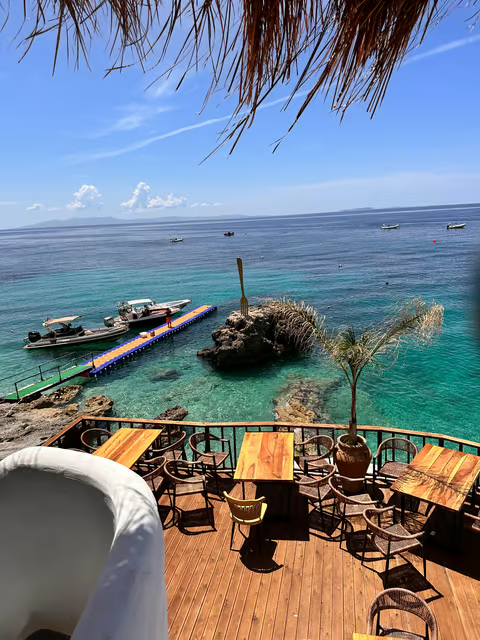
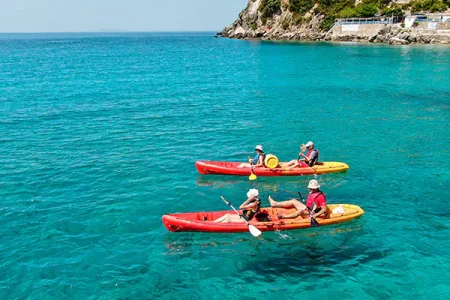
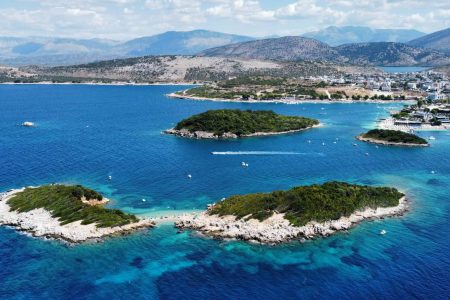
One of the best ways to experience Dhërmi is from the water. The coastline here is dotted with caves, hidden beaches, vertical cliffs, and underwater viewpoints that can only be accessed by boat. Whether you book a private speedboat, join a small-group cruise, or hire a kayak for the day, the seascape around Dhërmi delivers some of the most rewarding experiences on the Albanian Riviera.
Typical boat tours include stops at Pirate’s Cave, Blue Cave, and several secluded coves where travellers can swim, snorkel, or relax on floating rafts. With calm waters and excellent visibility, this part of Albania is ideal for marine exploration and photography.
Are There Good Boat Tours in Dhërmi?
Yes — Dhërmi offers some of the best boat tours on the Albanian Riviera. Visitors can choose from:
- Private speedboat tours for custom itineraries
- Group cruises with multiple swimming stops
- Sunset trips, ideal for photography
- Cave-exploration tours focusing on Pirate’s and Blue Gem Cave
- Adventure tours combining beaches, snorkelling, and cliff views
Most tours operate daily from late May to late September. For the best experience, morning departures offer calm water and fewer crowds.
Dhërmi Hiking Trails – Mills Trail & Coastal Paths
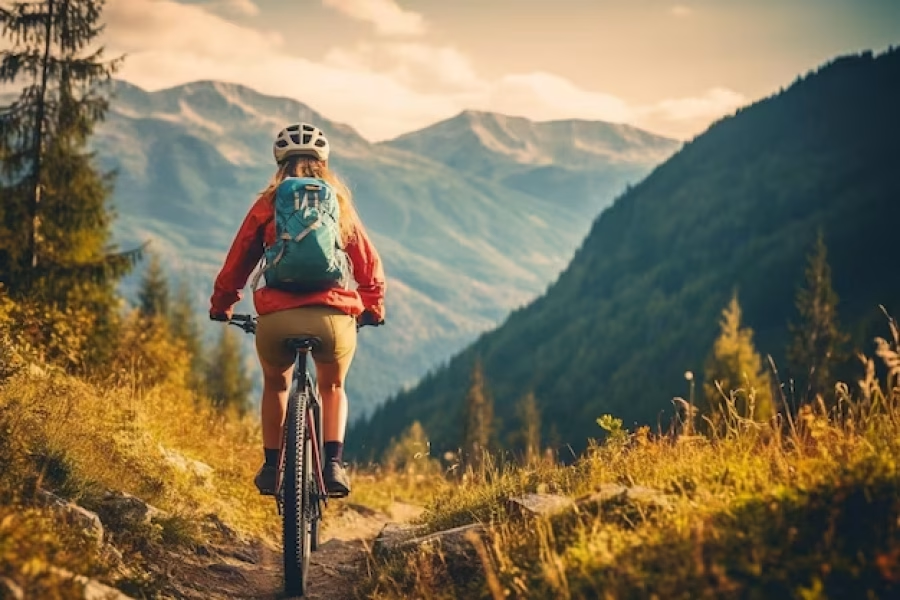
For travellers who love exploring on foot, Dhërmi offers several scenic hiking paths that connect mountains, forests, and coastline.
The Mills Trail is a moderate hike that takes travellers through traditional stone pathways, old water mills, and panoramic viewpoints overlooking the sea. It’s perfect for travellers interested in local heritage combined with nature.
Other popular trails include coastal routes leading towards Gjipe, Palasa, and the viewpoints near Llogara Pass. Because the terrain can be rocky and exposed, it’s recommended to start hikes early in the morning during summer months.
These trails are suitable for travellers with basic to moderate fitness, though canyon hikes require more agility.
Water Sports & Beach Adventures
Dhërmi’s long coastline provides excellent conditions for a range of water sports. Popular options include:
- Stand-up paddleboarding (SUP)
- Kayaking along the cliffs
- Snorkelling in clear waters
- Jet skiing for adrenaline lovers
- Banana boat rides for families and groups
The visibility underwater is often exceptional, especially near the rocky coves — a big advantage for snorkellers.
Nightlife & Cultural Experiences
Dhërmi has become known for its vibrant nightlife, with beach clubs, cocktail bars, and music events running throughout summer. The atmosphere is lively but not overwhelming; travellers can choose between relaxed beachfront lounges or high-energy night venues.
For culture lovers, evenings in the old village offer a completely different experience. Traditional restaurants, panoramic terraces, stone houses, and village lights create a calm and romantic atmosphere, especially during sunset.
Is Dhërmi Suitable for Families?
Yes — Dhërmi is suitable for families and offers a range of family-friendly experiences. Key advantages include:
- Calm, shallow sections of the beach
- Quiet zones away from nightlife
- Easy access to restaurants and cafés
- Half-day boat trips ideal for children
- Nature walks suitable for all ages
Families often enjoy the southern parts of Dhërmi Beach and quieter beaches like Drymades and Palasa.
4. WHERE TO STAY IN DHËRMI
Dhërmi offers one of the best selections of accommodation along the Albanian Riviera, ranging from stylish boutique hotels perched above the turquoise coastline to cosy family-run guesthouses hidden among olive groves. Whether you’re travelling for relaxation, nightlife, or a romantic getaway, the village has an option to match every travel style.
Boutique Hotels with Sea Views
Many travellers choose Dhërmi for its luxurious yet affordable boutique hotels. These properties typically feature infinity pools, elegant Mediterranean interiors, and private balconies with panoramic views stretching across Dhërmi Beach and the Ionian Sea. They offer a peaceful environment while still being close to the village centre and the beaches. These hotels often include on-site restaurants serving fresh seafood, making them an ideal choice for travellers wanting comfort and convenience.
Beachfront Resorts for a Relaxed Stay
Along the coastline, several modern beachfront resorts provide amenities such as private beach areas, sunbeds, beach bars, and swimming pools. Staying here means you can step directly from your room onto the sand and enjoy the crystal-clear water with minimal effort. These resorts are especially popular with couples and families looking for a stress-free seaside holiday with excellent service and modern facilities.
Traditional Guesthouses in the Old Village
Dhërmi’s old stone village, located on the hillside above the beach, offers a completely different atmosphere. This is where visitors can stay in charming, restored stone guesthouses with wooden balconies, terracotta roofs, and sweeping views of the sea below. These accommodations are ideal for tourists interested in cultural immersion, quiet surroundings, and traditional Albanian hospitality. Many guesthouses serve homemade breakfasts featuring local honey, cheese, olives, and fresh bread.
Budget Stays and Hostels
For backpackers or younger travellers, Dhërmi provides affordable hostels and budget rooms, particularly around the lower part of the village and the road leading to Drymades Beach. These affordable options often include shared kitchens, social areas, and communal terraces where guests can meet other travellers.
Which Area Should You Choose?
- Beachfront – Best for convenience, nightlife, and immediate access to Dhërmi Beach.
- Drymades Area – Trendy beach clubs, modern accommodation, and a vibrant summer scene.
- Old Village – Peaceful surroundings, culture, and scenic views.
No matter where you stay in Dhërmi, you’re always close to pristine beaches, delicious food, and the relaxed charm that has made this village one of the most desirable destinations on the Albanian Riviera.
5. LOCAL CUISINE AND DINING
Dhërmi’s culinary scene is a delightful blend of traditional Albanian flavours, Mediterranean influences, and fresh ingredients sourced from the surrounding mountains and the Ionian Sea. Whether you prefer seafood tavernas right on the sand, stylish restaurants overlooking the coastline, or rustic eateries in the old village, Dhërmi offers a fantastic variety of dining experiences.
Fresh Seafood Straight from the Ionian Sea
Seafood is the star of Dhërmi’s gastronomy. Many restaurants receive their fish straight from local fishermen, ensuring exceptional freshness. Popular dishes include grilled seabass, octopus cooked in garlic and olive oil, calamari, seafood pasta, and mussels harvested from nearby waters. The simplicity of preparation—usually just olive oil, lemon, and herbs—highlights the natural flavours of the catch.
Traditional Albanian Dishes
For those wanting to try authentic local cuisine, Dhërmi offers several tavernas serving traditional Albanian recipes. Look for dishes such as:
- Tavë kosi (baked lamb with yoghurt and egg)
- Fërgesë (a creamy mix of peppers, cheese, and tomatoes)
- Grilled lamb or goat, often raised in the nearby Himara mountains
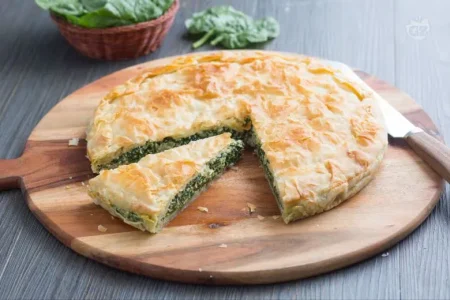
- Byrek filled with spinach, cheese, or meat
These dishes reflect the region’s rural traditions and home-style cooking.
Mediterranean & Modern Fusion Restaurants
Dhërmi has seen an increase in modern restaurants offering a fusion of Mediterranean and contemporary cuisine. Expect colourful salads, risottos, gourmet burgers, sushi nights in summer, and wood-fired pizzas—making the village an excellent dining destination for travellers with diverse tastes.
Beach Bars and Sunset Dining
One of Dhërmi’s highlights is dining right on the beach with the sound of waves in the background. Many beach bars serve fresh cocktails, light snacks, and full meals throughout the day. Evenings often feature chilled music, open-air seating, and magical sunset views across the Ionian Sea.
Desserts & Local Specialties
End your meal with traditional desserts such as trileçe, baklava, or local honey combined with walnuts and homemade yoghurt. Pair your dish with Albanian wine, raki, or a refreshing lemonade made with local citrus.
Whether you’re seeking seafood feasts, traditional flavours, or modern Mediterranean cuisine, Dhërmi’s dining scene guarantees memorable meals that perfectly match the beauty of its surroundings.
6. TRAVEL TIPS FOR DHËRMI VISITORS
Dhërmi Travel Guide – Practical Tips for a Smooth Trip
Visiting Dhërmi is an unforgettable experience, but planning ahead can make your trip even more enjoyable. From the best time to visit to transport options, safety tips, and suggested itineraries, these practical tips will help you make the most of your stay.
What Is the Best Time to Visit Dhërmi?
Dhërmi is a summer destination at heart. The peak season runs from June to September, when the weather is warm, the sea is calm, and beach and festival activities are in full swing. July and August are the busiest months, especially during Kala Fest, so if you prefer a quieter experience, consider late May, early June, or September. During these months, you’ll enjoy pleasant temperatures, clear skies, and fewer crowds while still being able to swim comfortably in the Ionian Sea.
How to Get to Dhërmi from Tirana or Saranda
- From Tirana: The most convenient option is to rent a car or take a private transfer. The drive takes approximately 4–5 hours via the coastal road through Llogara Pass, which offers dramatic views of the mountains and sea. Public buses are available but less frequent and slower.
- From Saranda: Dhërmi is around 2–2.5 hours by car. Along the way, you can stop at beaches like Himara or Qeparo for photos or a quick swim.
Travelling by car or taxi allows you to explore hidden beaches, canyon trails, and scenic viewpoints that are not accessible by public transport.
Safety and Local Customs – Is Dhërmi Safe for Tourists?
Dhërmi is very safe for visitors. Crime is rare, and locals are welcoming and friendly. Still, basic travel precautions are advised: keep valuables secure, avoid unlit paths at night, and respect local customs. Albanian culture is generally relaxed, but modest dress is recommended when visiting churches or traditional village areas.
Hiking in Dhërmi – Recommended Trails
For adventure seekers, hiking is one of the best ways to experience Dhërmi’s natural beauty. Popular trails include:
- Gjipe Canyon Trail: Moderate difficulty, leading to a secluded beach.
- Mills Trail: Traditional stone paths, suitable for casual walkers.
- Coastal Footpaths: Connect Dhërmi to Drymades and Palasa, ideal for photography and sunset walks.
Wear comfortable shoes, carry water, and plan your hike in the morning or late afternoon to avoid the midday heat.
Suggested Length of Stay
- 2–3 Days: Perfect for a short getaway, allowing time for Dhërmi Beach, the old village, and a boat trip.
- 4–5 Days: Lets you explore hidden coves, hike Gjipe Canyon, attend a festival, and fully enjoy the local cuisine.
- 1 Week or More: Ideal for combining relaxation with cultural and adventure activities, including trips to nearby Riviera villages like Himara and Qeparo.
Transport and Local Travel Tips
- Walking is often the best way to explore Dhërmi’s old village and nearby beaches.
- Renting a scooter or car provides flexibility to reach more remote coves.
- Public buses run along the main coastal road but have limited schedules during off-peak seasons.
With the right planning, visitors can enjoy both the lively and serene sides of Dhërmi while maximising their experience along the Riviera.
CONCLUSION
Dhërmi is a coastal paradise that combines pristine beaches, dramatic mountain landscapes, rich history, and vibrant local culture. From sunbathing on crystal-clear pebbled shores to hiking through Gjipe Canyon, exploring the old stone village, or enjoying fresh seafood and local festivals, the village offers experiences for every type of traveller. Whether you’re seeking adventure, relaxation, or a blend of both, Dhërmi guarantees a memorable Albanian Riviera holiday.
Now is the perfect time to plan your visit. Book a boat tour to explore hidden caves, join a canyon hiking adventure, or reserve a stay in one of Dhërmi’s charming boutique hotels. With its stunning beaches, welcoming locals, and unique combination of nature and culture, Dhërmi promises a holiday you’ll never forget. Pack your bags, soak up the sun, and get ready to experience one of Albania’s most extraordinary destinations!











 English