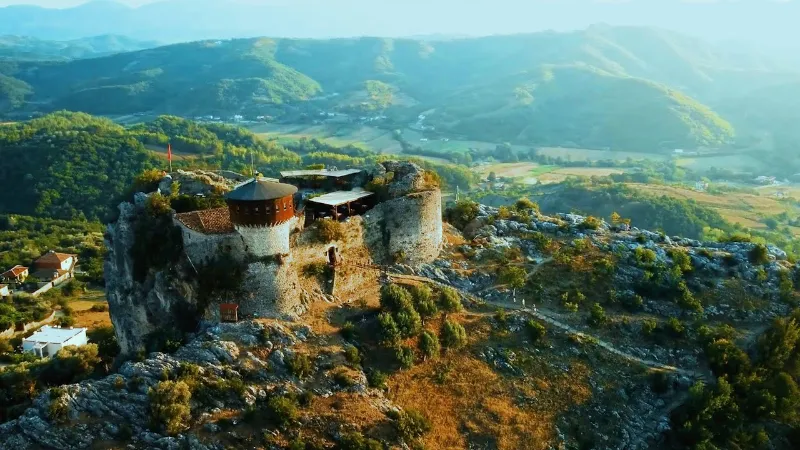
Petrela Castle is a historic medieval fortress located near Tirana, Albania, standing proudly above the Erzen Valley with its unmistakable stone walls and sweeping panoramic views. Although many travelers focus their Albania itineraries on central Tirana, the biggest mistake they make is overlooking this extraordinary site just 20 minutes away from the capital. Petrela Castle solves a real problem for visitors seeking an authentic, easily accessible medieval experience—a place where history, landscape, food, and culture all blend into one unforgettable visit. For anyone who wants to experience Albania beyond the city center, this is one of the most rewarding half-day destinations available.
The castle’s striking position on a steep hill made it one of the most important defense points of the central region for more than 1,500 years. Over time, it evolved from a Byzantine lookout point into a key fortress in the 15th-century resistance against the Ottoman Empire, especially under the leadership of Albania’s national hero, Skanderbeg. Unlike other medieval ruins in Europe, Petrela Castle remains alive and welcoming—offering not only history, but also traditional Albanian cuisine, scenic terraces, gentle hiking routes, adventure activities nearby, and cultural experiences in the surrounding village.
Visitors typically arrive looking for a simple photo stop, but almost immediately discover that Petrela Castle is far more than a viewpoint. Its towers, stone paths, wooden balconies, and traditional restaurant create a storybook atmosphere that feels both intimate and grand. From the top, sweeping views open toward the Tirana plain, olive groves, and the Erzen River—an ideal place for sunrise, sunset, or a relaxed afternoon wine tasting. Whether you’re searching for history, nature, romance, family-friendly exploration, or an active day combining hiking and village life, Petrela Castle delivers exceptional value.
Another practical advantage: reaching the castle is extremely easy. Its close proximity to Tirana allows travelers to pair it with nearby nature highlights such as the Erzen Canyon, Pëllumbas Cave, or combine it with cultural tours around Tirana Castle, Blloku district, and the city’s main attractions. This makes Petrela an ideal inclusion for visitors planning short trips or those staying only briefly in Tirana.
In the sections below, you will find everything you need to plan the perfect visit—its history, its connection to Skanderbeg, what to expect on-site, activities around the castle, restaurant recommendations, and insider travel tips. Whether you’re a researcher, a traveler, or someone looking to book a tour directly through Albaniaturism.com, this comprehensive guide will give you both the information and inspiration you need.
History of Petrela Castle
History of Petrela Castle
The History of Petrela Castle stretches across more than fifteen centuries, beginning in the Byzantine era and evolving through Albania’s most turbulent military periods. Its story is closely tied to Tirana’s development and the heroic resistance of the Kastrioti family. For visitors fascinated by medieval Albania, the castle offers one of the most authentic and well-preserved examples of mountain fortifications in the region.
Origins in the Byzantine Era (6th Century)
The earliest written evidence of Petrela Castle dates back to the 6th century, during the reign of Byzantine Emperor Justinian I. This period was marked by continuous efforts to strengthen the empire’s borders against invading forces from the north. Positioned on a commanding hilltop overlooking strategic roads and fertile plains, the site became an ideal defensive outpost. Its early structure consisted of simple stone walls meant primarily to monitor movement along routes leading toward the Via Egnatia—one of the most important ancient roads of the Balkans.
Petrela Castle and Skanderbeg’s Defensive Network
The most significant transformation of Petrela Castle took place in the 15th century, when Albania’s national hero Gjergj Kastrioti Skanderbeg reorganized the region’s defensive system against the expanding Ottoman Empire. Recognizing the castle’s strategic value, Skanderbeg reinforced its walls, watchtowers, and battlements, connecting Petrela to a chain of nearby fortresses, including Kruja, Prezë, and Dajti. These fortifications created an early warning system capable of sending signals across the landscape—smoke by day, fire by night.
Mamica Kastrioti and the Castle’s Personal Story
One of the most intriguing links in the castle’s history is its association with Mamica Kastrioti, Skanderbeg’s sister. Historical accounts suggest that she lived in Petrela Castle for an extended period and even governed the surrounding lands. Her presence in the fortress enriched its cultural and political significance. Many local legends describe Mamica as a strong, charismatic figure who facilitated alliances and contributed to the region’s stability during the turbulent years of Ottoman pressure.
When Was Petrela Castle Built?
Petrela Castle was originally constructed in the 6th century, though most of the structure visitors see today dates from the 15th-century renovations under Skanderbeg. Its continuous use and rebuilding across centuries make it one of Albania’s most historically layered fortresses.
Location and Scenic Views
Petrela Castle Location and Scenic Views
The Petrela Castle location and views are among the main reasons travelers choose this site during their stay in Tirana. Perched dramatically on a rocky hill at approximately 400 meters above sea level, the castle overlooks the lush Erzen Valley, the rolling Tirana Plain, and the surrounding mountain ranges. This elevated vantage point has captivated visitors for centuries and served as one of the most strategic lookout points in central Albania. Today, the same qualities that once provided military advantage now offer unforgettable panoramic landscapes ideal for photography, relaxing meals, and sunset viewing.
Hilltop Position and Elevation
From the moment you approach the hill of Petrela, the imposing yet picturesque silhouette of the castle becomes visible. The climb, whether done on foot or by car up the winding access road below, reveals increasingly expansive views of olive groves, vineyards, and traditional stone houses. Once at the top, visitors are rewarded with stunning 360° vistas that stretch toward Tirana’s skyline on one side and the peaceful rural countryside on the other. The elevated position ensures excellent visibility even during winter, making Petrela Castle a year-round viewpoint.
This hilltop location also creates a microclimate with refreshing breezes, making it an excellent escape from Tirana’s summer heat. Photographers especially appreciate the golden light hitting the stone walls at sunrise and sunset, giving the castle a warm, timeless glow.
Strategic Importance of Its Location
Historically, Petrela’s position was not chosen by accident. It served as a crucial observation and communication point along several ancient routes. Most notably, it overlooked paths connecting to the legendary Via Egnatia, the Roman road that connected the Adriatic Sea with Byzantium. Control over this area meant protection of trade, agriculture, and movement of troops across central Albania.
Skanderbeg took full advantage of this vantage point in the 1400s, integrating Petrela into a chain of fortresses designed for rapid communication. Beacon signals from Petrela could reach Kruja Castle in minutes, enabling Albanian forces to coordinate defenses across great distances.
How Do I Get to Petrela Castle from Tirana?
Getting to Petrela Castle from Tirana is easy and convenient:
- By taxi: 15–20 minutes from the city center, affordable for solo travelers and groups.
- By bus: Local buses toward Petrela village depart from the southern bus station; from the village, it’s a moderate uphill walk.
- By organized tour: Many travelers prefer guided tours for smoother transportation, skip-the-walk options, and added historical explanations. Tours often combine Petrela with attractions like Pëllumbas Cave or the Erzen Canyon.
- By car: A simple drive along the SH3 highway; parking is available below the castle.
For travelers who want to maximize time, a guided tour remains the easiest and most informative way to visit Petrela Castle.
Visiting Petrela Castle
Opening Hours, Best Times & Seasonal Tips
The experience of visiting Petrela Castle is shaped by timing, weather, and the type of atmosphere you’re seeking. While opening hours may vary slightly depending on restaurant schedules and local events, the castle area is generally accessible throughout the day. The best times to visit are early morning—when the landscape glows under soft light—or late afternoon, when sunset transforms the Erzen Valley into a scene of golden colors.
Spring and autumn offer the ideal conditions: mild temperatures, crisp air, and clear views. These seasons are perfect for photography, leisurely exploration, and outdoor dining. During summer, midday heat can be intense, so it’s wise to plan for early morning or sunset visits. Winter remains attractive for those who enjoy quieter atmospheres and moody landscapes.
Physical Access, the Walk Up & On-Site Experience
Reaching the castle involves a brief but steep climb. Though not overly demanding, the incline and uneven stone paths make comfortable footwear essential. Visitors with mobility issues may find the ascent challenging; however, the nearby restaurant terrace offers excellent views without needing to reach the highest point.
Inside the castle grounds, you’ll find:
- Stone walls and wooden walkways
- Watchtower viewpoints
- Shaded seating areas
- Informational plaques
- Panoramic terraces ideal for photos
For the best photography, walk to the southern edges overlooking vineyards and the Erzen Valley.
What Is the Best Time to Visit Petrela Castle?
The best time to visit Petrela Castle is sunset for views, spring or autumn for comfortable temperatures, and weekday mornings for minimal crowds. Photographers and nature lovers often prefer early morning for softer light, while families enjoy late afternoons when the restaurant opens and the atmosphere becomes lively.
On-Site Restaurant & Facilities
One of Petrela’s most beloved features is its atmospheric castle-top restaurant, serving traditional Albanian dishes in a rustic wooden setting with balcony tables overlooking the valley. Guests often stay longer than planned, enjoying:
- Fresh grilled meats
- Seasonal salads
- Local wine and raki
- Homemade desserts
- Romantic terrace seating
The restaurant adds a warm, cultural dimension to your visit and makes Petrela Castle a perfect choice for lunch, dinner, or special occasions.
Is There a Restaurant at Petrela Castle?
Yes. Petrela Castle has a popular on-site restaurant known for its local cuisine and remarkable views. It’s a highlight for many visitors and often considered one of the best castle-top dining experiences near Tirana.
Tours and Activities
Petrela Castle Tours and Activities
The wide range of Petrela Castle tours and activities makes this destination ideal for travelers who want to combine history, nature, food, and adventure in a single half-day trip from Tirana. While many visitors expect only a quiet historical site, Petrela surprises them with dynamic experiences—from guided castle tours and cultural walks to zipline adventures and ATV excursions. Whether you’re a family, a couple, a solo explorer, or a group of friends, the surrounding landscape offers something for every travel style.
Guided Tours of Petrela Castle
Guided tours are the best way to understand the castle’s historical layers, the military strategies used by Skanderbeg, and the legends surrounding Mamica Kastrioti. A knowledgeable local guide adds depth to the visit by explaining defensive techniques, lookout systems, architectural details, and the structure’s evolution from Byzantine to late medieval fortifications.
Many tours also include storytelling moments about the Kastrioti family, the castle’s role in transmitting fire signals to Kruja, and the daily life of villagers during Albania’s turbulent centuries.
Are Guided Tours Available at Petrela Castle?
Yes, guided tours are available and highly recommended. Most tours include transportation from Tirana, an expert guide, castle entrance, and optional add-ons like wine tasting or a traditional lunch. Booking a tour ensures smoother travel, no navigation issues, and a richer understanding of the region.
Adventure Activities Near Petrela Castle
While the castle itself is a historical and cultural attraction, the surrounding areas have grown into an adventure hub offering activities such as:
- Zipline rides crossing dramatic landscapes
- ATV (quad) tours through villages, olive groves, and forested trails
- Hiking routes linking Petrela with Petrele village, Erzen Canyon, and Pëllumbas
- Cycling paths for mountain bike enthusiasts
- Horseback riding in nearby farms
These activities make Petrela an appealing destination for weekend escapes and active travelers who want a mix of culture and adventure.
Local Lunch Experiences & Village Tours
One of the best ways to explore Petrela is through its food culture. Many tours include a traditional Albanian lunch featuring local specialties such as grilled lamb, fresh salads, mountain herbs, and homemade wine or raki. Village tours highlight traditional houses, centuries-old olive trees, small family farms, and cultural heritage sites that are often overlooked by independent travelers.
These local experiences help visitors appreciate the region not just as a castle, but as a living community with a rich identity.
Multi-Destination Experiences
Because Petrela is located so close to Tirana, it’s easy to combine your visit with:
- Pëllumbas Cave (Black Cave)
- Erzen Canyon
- Tirana Lake Park
- Tirana Castle
- Bunk’Art
- Dajti Mountain (via cable car)
For travelers with limited time in Albania, multi-stop tours provide excellent value and variety.
Nearby Attractions and Things to Do
Things to Do Near Petrela Castle
Although Petrela Castle is the star attraction, the region around it is equally fascinating. Exploring things to do near Petrela Castle allows travelers to discover natural wonders, ancient trails, traditional villages, and some of the best outdoor activities near Tirana. This makes Petrela one of the most versatile day-trip destinations in central Albania.
Pëllumbas Cave (Black Cave)
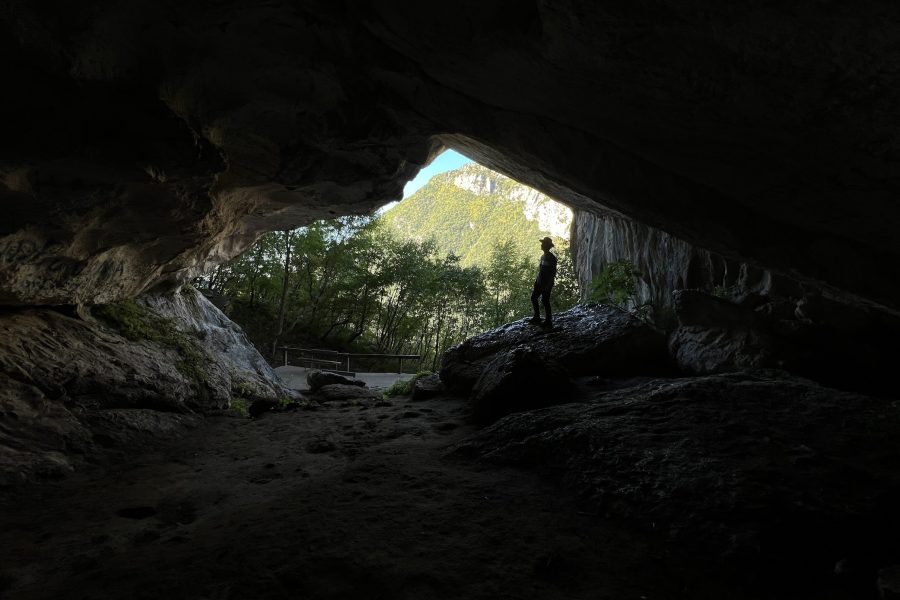
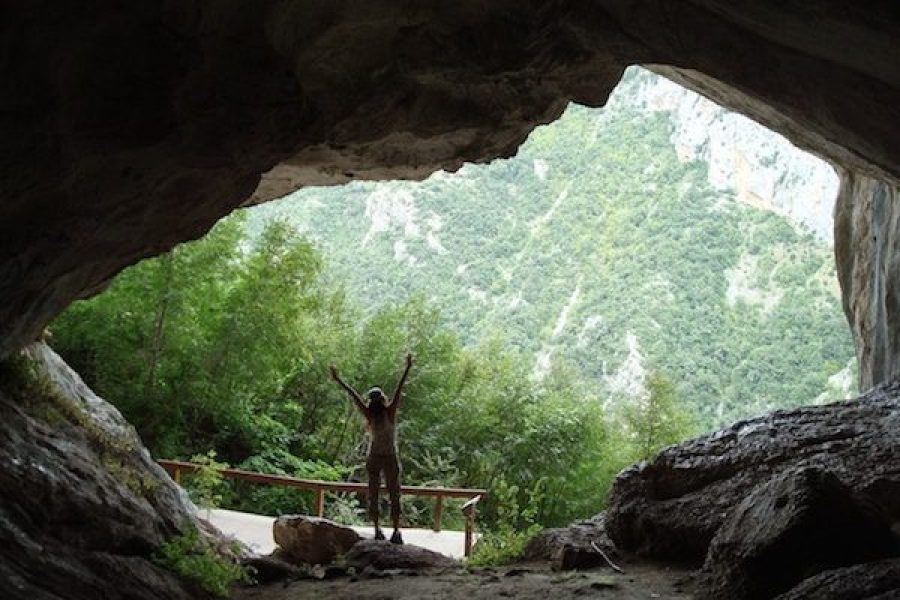
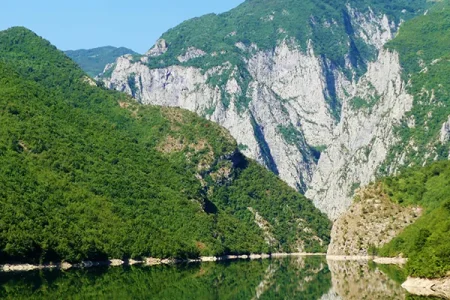
Located only a short drive away, Pëllumbas Cave is one of Albania’s most impressive natural landmarks. The trail leading to the cave offers spectacular views of the Erzen River and rugged canyon walls, making it ideal for hikers and photographers. Inside the cave, visitors can observe prehistoric formations and learn about human activity dating back to the Paleolithic era.
Many travelers choose to visit Petrela Castle in the morning and Pëllumbas Cave in the afternoon for a culturally rich and adventure-filled day.
Erzen Canyon
The Erzen Canyon is a beautiful place for swimming, trekking, and relaxing in nature. During summer, its turquoise water pools and natural rock formations create an oasis-like setting. Families often stop here after Petrela for a refreshing afternoon break.
Village Life & Local Gastronomy
The surrounding villages—Petrele, Mullet, and neighborhoods along the SH3 road—offer authentic rural life experiences. Visitors can explore:
- Olive oil farms
- Local wineries
- Small family restaurants
- Traditional homes
- Handmade product shops
These stops are perfect for travelers who want to experience Albanian countryside culture beyond the main tourist routes.
What Other Attractions Can Be Visited Near Petrela Castle?
Some of the top attractions near Petrela Castle include:
- Pëllumbas Cave
- Erzen Canyon
- Tirana Lake Park
- Dajti Mountain cable car
- Tirana Castle
- Blloku District
- Traditional restaurants in Petrele village
Each of these can be combined into either a full-day or half-day itinerary.
Family-Friendly & Romantic Activities
The area near Petrela is versatile enough to suit both romantic getaways and family trips:
- Couples enjoy sunset dinners at the castle-top restaurant.
- Families love the safe walking paths and open spaces around the village.
- Active travelers can add hiking, ziplines, and ATV tours.
- Food lovers can book farm-to-table experiences.
Cultural Extensions into Tirana
For visitors who prefer cultural sightseeing, combining Petrela with Tirana highlights creates a balanced day trip. Consider pairing it with:
- The National Museum
- The Pyramid of Tirana
- Pazari i Ri
- Enver Hoxha’s Former Residence
- Tirana’s historical mosques and churches
By exploring both Petrela and Tirana, travelers gain a complete picture of Albania’s history, from antiquity to modern times.
Conclusion
Petrela Castle is more than a scenic hilltop fortress — it is a gateway into Albania’s medieval past and the legacy of national hero Gjergj Kastrioti Skanderbeg. Its breathtaking views, dramatic stone towers, and well-preserved history make it an essential stop for anyone exploring the Tirana region. Whether you come for the legends, the landscape, or the peaceful village atmosphere, Petrela offers a memorable experience that connects visitors with the heart of Albanian heritage. A visit here is a reminder of how Albania’s history, culture, and natural beauty come together in one remarkable place.

 English