The Pëllumbas Cave is one of Albania’s most fascinating natural and historical landmarks, attracting visitors who want to discover a prehistoric world just minutes from the capital. Also known as the Black Cave, this remarkable karst cave near Tirana combines untouched nature, ancient human heritage, and one of the most scenic hiking routes in central Albania. As more travelers seek authentic outdoor experiences, Pëllumbas Cave has become a must-visit destination for anyone exploring Tirana and its surroundings.
Many tourists arrive in the capital unaware that such an extraordinary natural monument lies right at the edge of the city. They often search for nature escapes or cultural day trips but end up staying only within the urban center—missing the rare opportunity to explore a prehistoric cave dating back tens of thousands of years. That is why Pëllumbas Cave stands out: it offers nature, adventure, history, and accessibility all in a single, easy half-day trip.
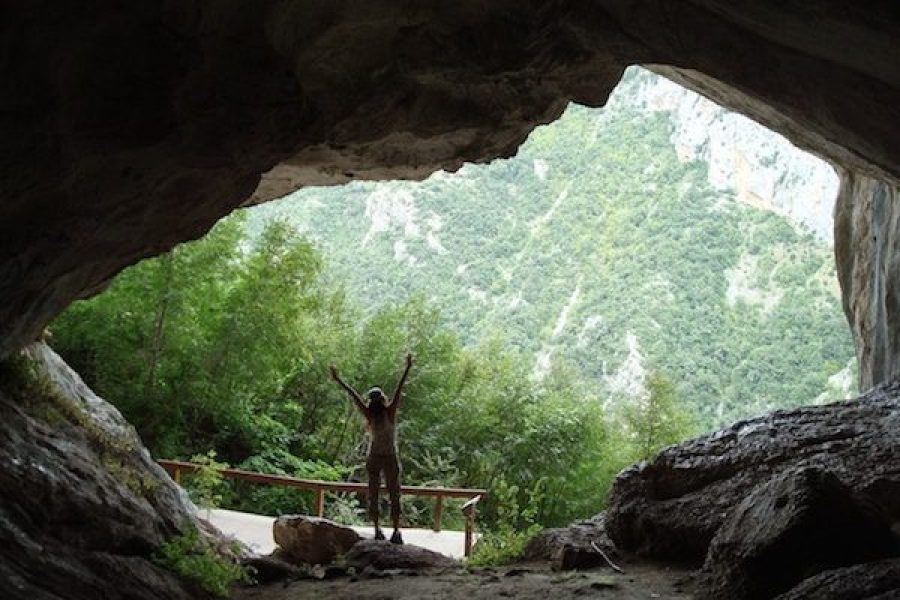
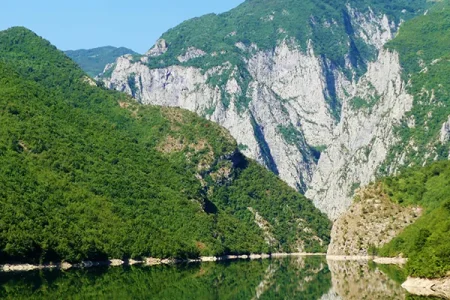
Walking toward the cave, visitors follow a beautiful trail overlooking the Erzen River and dramatic limestone cliffs. Inside, they are greeted by towering rock chambers, deep silence, and geological formations shaped over hundreds of thousands of years. The cave is also one of the most significant archaeological sites near Tirana, with evidence of early human habitation and remains of cave bears that once roamed the region.
Whether you’re a hiker, a family, a history lover, or simply someone seeking a refreshing break from the city, Pëllumbas Cave offers an unforgettable experience. And for those who prefer a safe, smooth, and informative journey, guided cave tours—including helmets, flashlights, and expert interpretation—are available through local operators such as Ecotour Albania.
This article will guide you through everything you need to know: the cave’s location, natural features, prehistoric importance, hiking tips, safety recommendations, the best time to visit, and why booking a professional tour can greatly enhance your experience.
Location and Natural Features
Pëllumbas Cave Location and Its Spectacular Natural Setting
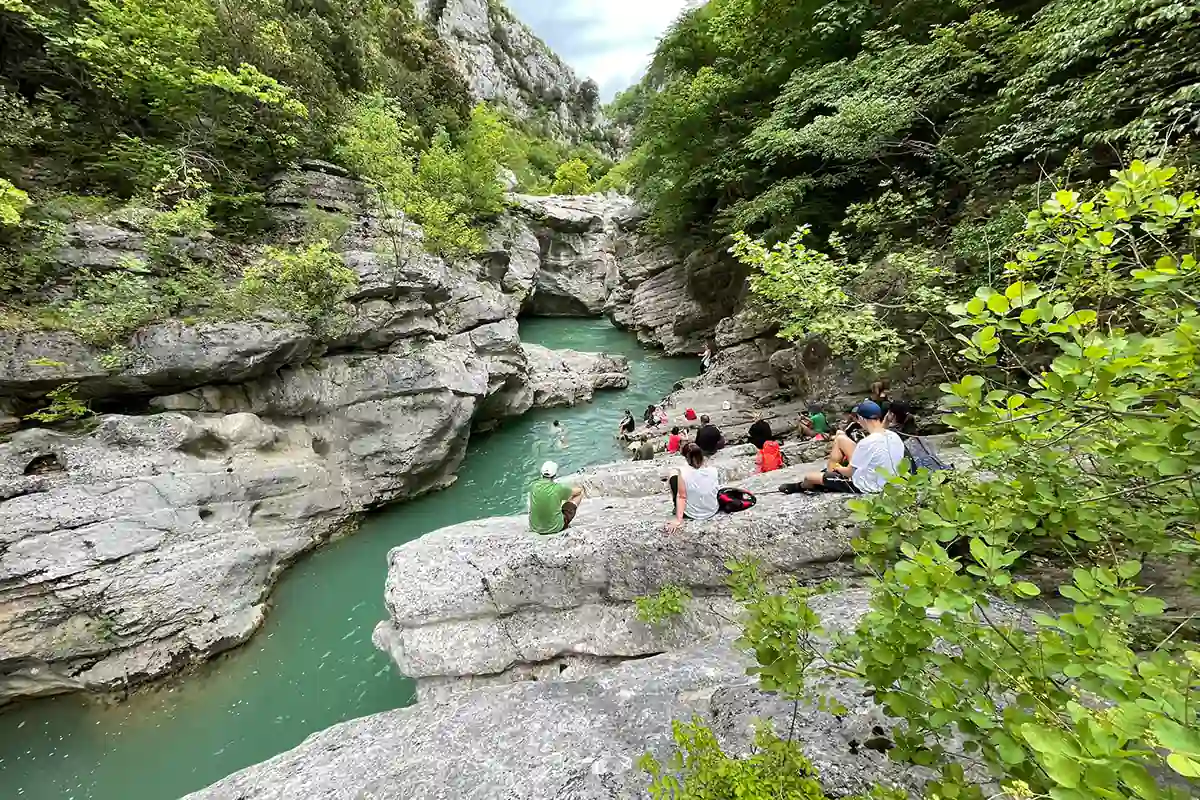
The Pëllumbas Cave location is one of its greatest advantages. Situated just 25–30 minutes from central Tirana, the cave lies above the picturesque village of Pëllumbas, on the slopes of Dajti Mountain. Positioned within the protected area of Dajti National Park, it forms part of the dramatic Skorana Gorge, a deep canyon carved by the Erzen River. This setting makes the cave not only a geological treasure but also one of the most scenic outdoor spots near the capital.
From the village, visitors are greeted by stunning views over green hills, limestone cliffs, and the shimmering river below. The atmosphere is peaceful—far from the city’s noise—making it ideal for nature lovers and travelers who want to experience Albania’s natural beauty without embarking on a long journey. Although the cave is a natural monument of national importance, it remains surprisingly accessible and suitable for a half-day adventure.
Hiking Trail to Pëllumbas Cave – What to Expect
The hiking trail to Pëllumbas Cave is a highlight of the entire experience. Stretching approximately 2 km and taking about 45 minutes to complete, the path is moderately easy and suitable for visitors of most ages. It begins at the edge of Pëllumbas village and continues through a well-marked mountain trail featuring wooden railings, shaded corners, and scenic viewpoints overlooking the Skorana Gorge.
Along the way, hikers can enjoy panoramic views of the Erzen River as it winds through dramatic cliffs. The trail also passes through Mediterranean vegetation—juniper, pine, and oak—providing natural shade on warmer days. Although generally accessible, the route includes some rocky steps and slightly steep sections, so sturdy footwear is strongly recommended.
This hike is often considered one of the most rewarding short trails in central Albania, as it offers everything: fresh air, nature, adventure, and a destination with immense historical value.
Karst Formations in Albania – Inside the 360-Meter Cave
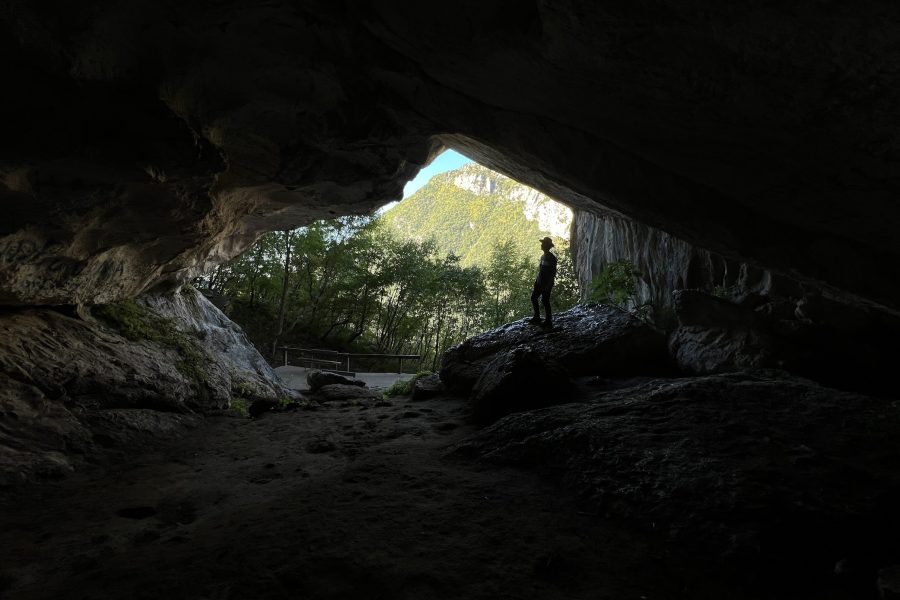
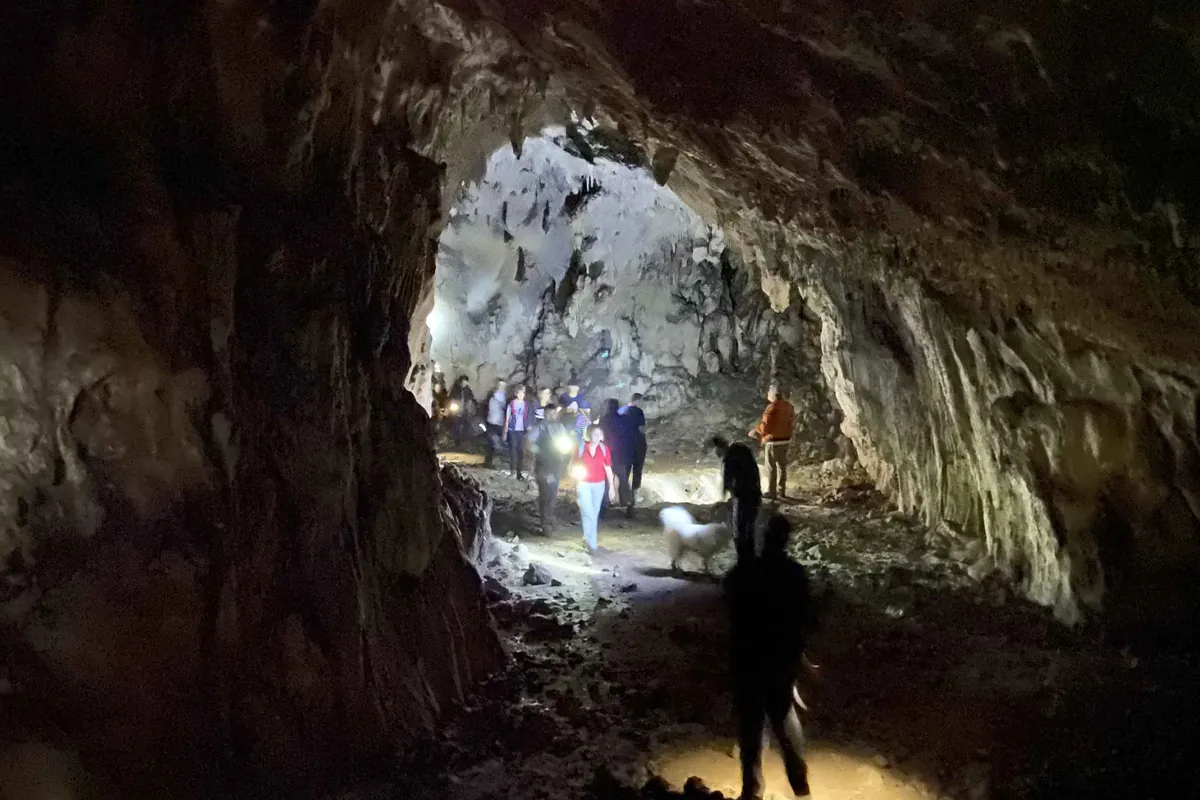
Once inside, visitors enter a world shaped by water and time. The cave stretches around 360 meters, with a width that ranges between 10–15 meters and ceilings reaching up to an impressive 45 meters in height. Like many karst formations in Albania, Pëllumbas Cave displays stalactites, stalagmites, and irregular rock chambers formed by millennia of natural erosion.
The interior is cool, quiet, and slightly humid. Light gradually fades as you move deeper inside, creating an authentic cave atmosphere that sparks the imagination. Every chamber reveals new shapes and textures, inviting visitors to pause and observe the ancient geology that has remained unchanged for thousands of years.
Because some areas can be slippery, visitors should proceed carefully. Guides often provide helmets and flashlights, but independent travelers should bring their own equipment.
Where Is Pëllumbas Cave Located?
Pëllumbas Cave is located just southeast of Tirana, above the village of Pëllumbas in the district of Petrelë. It is approximately 16 km from the city center and easily reached by car, taxi, or guided tour. From the village parking area, a marked 45-minute hiking trail leads directly to the cave entrance.
Historical and Archaeological Importance
Paleolithic Cave in Albania – 30,000 Years of Human History
As one of the few confirmed Paleolithic caves in Albania, Pëllumbas Cave holds extraordinary archaeological significance. Research shows that the cave was inhabited by prehistoric humans as far back as 30,000 years ago, making it one of the earliest known human shelters in the Balkan region. Its strategic location above the Erzen River provided water, food sources, and natural protection, which explains why early humans chose it as a dwelling.
Archaeologists have uncovered layers of ancient activity, including flint tools, bone fragments, and traces of fire. These findings reveal that Pëllumbas Cave was not only a temporary refuge but a long-term living space used by hunter-gatherer groups during the Upper Paleolithic period. When compared with other prehistoric sites in the region, the cave stands out for its accessibility, preservation, and the impressive scale of its geological chambers.
Ancient Human Culture in Pëllumbas Cave
The evidence of ancient human culture in Pëllumbas Cave gives us a rare window into early life in Albania. Excavations have revealed a variety of artifacts—stone tools shaped for cutting and hunting, animal bones with clear markings, and signs of communal hearths. These remnants help researchers understand how prehistoric communities survived during an era dominated by harsh climates and large mammals.
Unlike many caves that served only as temporary shelters, Pëllumbas Cave appears to have supported extended habitation. The consistent presence of tools and fireplaces suggests a pattern of repeated use, particularly during colder months. This points to the cave’s importance in seasonal migration routes across the Balkan Peninsula.
Cave Bear Skeletons in Albania – A Rare Discovery
One of the most remarkable discoveries in the cave is the presence of cave bear skeletons in Albania, dating from approximately 400,000 to 10,000 years ago. These ancient bears once populated the mountains of Albania and other parts of Europe. Their remains inside Pëllumbas Cave offer invaluable scientific insights into the region’s prehistoric fauna and ecosystem.
The bones found in the cave include teeth, skull fragments, and limb structures—some extremely well-preserved due to the cave’s stable temperature and humidity. Specialists have studied these remains to better understand the evolution of European cave bears and their interaction with early human populations. This rare combination of human and animal history makes Pëllumbas Cave one of the most important paleontological sites in Albania.
What Is Special About Pëllumbas Cave?
What makes Pëllumbas Cave special is its unique combination of natural beauty and deep prehistory. Few caves in Albania offer such a rich blend of karst formations, ancient artifacts, prehistoric bear remains, and easy access from the capital. Visitors can explore a 360-meter geological monument that humans lived in 30,000 years ago—without needing advanced equipment or special training. Its cliffs, wild scenery, and archaeological relevance make it unmatched in central Albania.
National Monument Status Since 2002
In 2002, Pëllumbas Cave was officially declared a natural monument of national and international importance, recognizing its exceptional value in geology, archaeology, and biodiversity. This designation ensures ongoing protection, visitor safety improvements, and regulated tourism to preserve the cave’s integrity. As tourism grows, conservation plays a vital role in maintaining the cave’s ecosystems and preventing damage to its prehistoric layers.
Visiting and Exploring Pëllumbas Cave
Visiting Pëllumbas Cave – Practical Tips and Safety Advice
Whether you’re an experienced hiker or a first-time visitor, planning ahead will make your visit to Pëllumbas Cave smoother, safer, and far more enjoyable. The trail and cave are accessible, but the terrain requires appropriate footwear, steady balance, and attention to the environment. Inside the cave, the floor can be slippery, with uneven surfaces formed by centuries of water dripping through the limestone.
It’s recommended to bring a flashlight or headlamp, although Pëllumbas Cave tours often include helmets and proper lighting. Temperatures inside the cave are cooler than outside—especially in summer—so carrying a light jacket is helpful. If you’re visiting during peak season, consider arriving early in the morning to enjoy the trail with fewer crowds and softer sunlight over the Skorana Gorge.
How Long Is the Hike to Pëllumbas Cave?
The hike to Pëllumbas Cave takes approximately 45 minutes each way along a 2 km marked trail. The path is moderately easy but includes some rocky stairs and short steep sections. Visitors should allocate a total of 2 to 2.5 hours for the round trip and cave exploration. Families and beginner hikers can take longer breaks along the route, as there are several viewpoints with benches overlooking the Erzen River.
Can I Explore the Cave Without a Guide?
Yes, you can explore Pëllumbas Cave without a guide, but it’s not recommended for first-time visitors. The cave has dark, uneven sections where proper lighting and experience make a significant difference in safety. Guided tours offer helmets, flashlights, and expert interpretation of the cave’s geology and prehistory. Guides also know which areas to avoid to prevent slips or falls—making the experience both safer and more informative.
Pëllumbas Cave Tours – Why a Guide Makes the Experience Better
Joining a Pëllumbas Cave tour elevates the entire experience. Local guides explain how the cave was formed, point out prehistoric layers, and share stories about ancient communities and extinct cave bears. Tours typically include:
- Safety helmets
- Professional lighting
- Instruction inside narrow or slippery sections
- Historical and geological explanations
- Monitoring for children or older visitors
For travelers without a car, guided tours also solve the challenge of transportation from Tirana.
What Should I Bring for a Visit to Pëllumbas Cave?
Visitors should bring:
- Sturdy hiking shoes
- A flashlight or headlamp
- Water (at least 1 liter per person)
- Light snacks
- A light jacket for inside the cave
- A small backpack
- Sunscreen and hat in summer
These essentials ensure a comfortable and safe experience both on the trail and inside the cave.
Is Pëllumbas Cave Safe for Children?
Yes, Pëllumbas Cave is safe for children, but with supervision. Kids aged 6+ can usually complete the trail without issue, provided they wear proper shoes and take their time. Inside the cave, adults should monitor children closely due to slippery sections and low-light conditions. Guided tours are highly recommended for families, as guides help children navigate safely.
Nearby Attractions – Extend Your Adventure
After exploring the cave, visitors can easily extend their trip with nearby attractions such as:
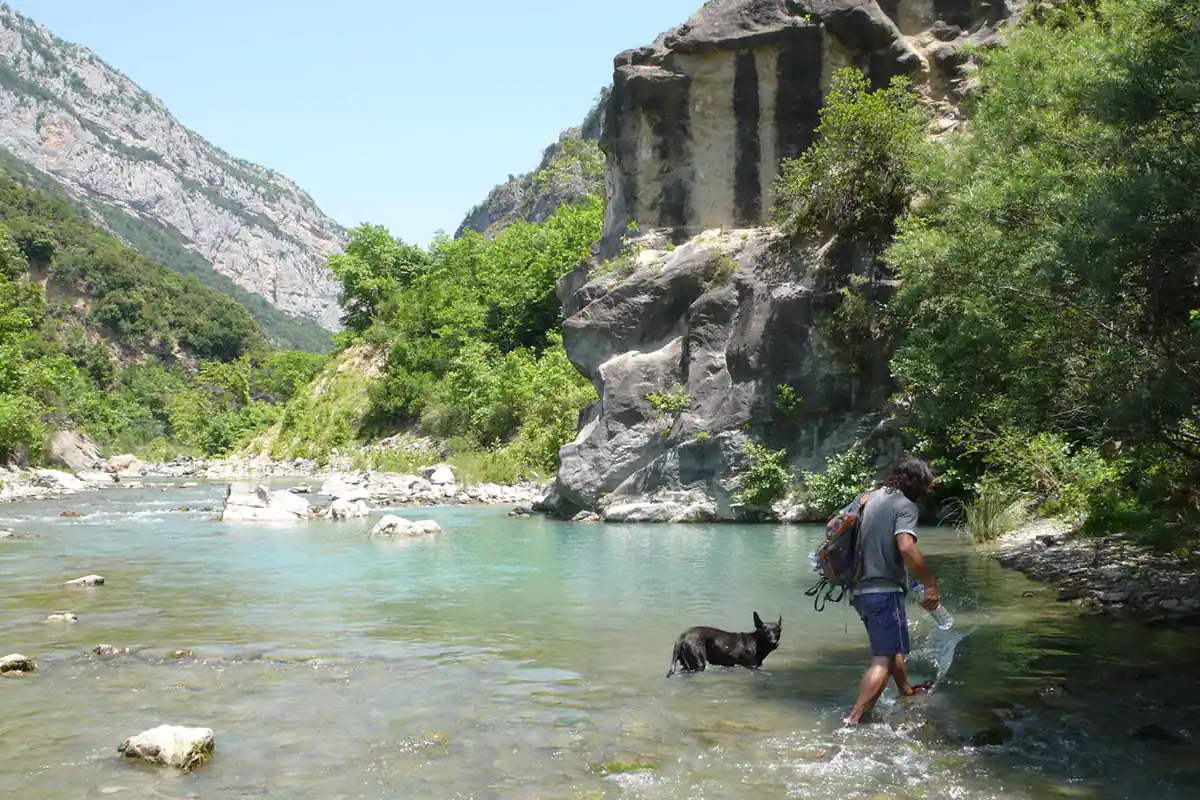
- The Erzen River Gorge, ideal for photography and nature walks
- Petrelë Castle, a historical hilltop fortress with panoramic views
- Local restaurants in Petrelë village serving traditional Albanian dishes
These sites make it easy to combine the cave visit with culture, cuisine, and even more nature exploration.
Frequently Asked Questions About Pëllumbas Cave
Where Is Pëllumbas Cave Located and How Do You Get There?
Many travelers first want to know exactly where Pëllumbas Cave is located, especially those planning a short day trip from Tirana. The cave lies southeast of the capital, above Pëllumbas village in the Petrelë area, around 16 km from Tirana city center. Visitors can reach the village by car, taxi, or organized tour, and then continue on foot along a marked 45-minute trail. Because the cave is located within the scenic region of Dajti National Park and the Skorana Gorge, the journey itself is part of the experience. The route is well-signposted and easy to follow, making it one of the most accessible adventure sites near Tirana.
For travelers without a vehicle, guided tours offer transport, safety equipment, and expert interpretation—removing the stress of navigation and parking. The proximity to Tirana and the ease of access make the cave ideal even for half-day itineraries, families, and visitors with limited time in Albania.
How Long Is the Hike to Pëllumbas Cave?
The hike to Pëllumbas Cave takes about 45 minutes each way along a moderate, 2 km trail. Most visitors find the route comfortable, though there are occasional rocky steps and sloped sections. The path offers incredible viewpoints over the Erzen River and the limestone cliffs of the Skorana Gorge, making the journey visually rewarding. Families and first-time hikers typically take short breaks along the way, especially at marked rest points.
During warmer months, it’s recommended to begin the hike early in the morning or later in the afternoon for more pleasant temperatures. In winter, the trail remains accessible but may require additional caution due to moisture and slippery surfaces. Either way, the hike is considered one of the most beautiful short trails near Tirana.
What Makes Pëllumbas Cave So Special?
Visitors frequently ask what makes Pëllumbas Cave unique, and the answer lies in its combination of nature, geology, and deep prehistory. Few places anywhere in Albania offer:
- A 360-meter karst cave with ceilings up to 45 meters high
- Artifacts from humans who lived here 30,000 years ago
- Remains of extinct cave bears dating back 400,000 years
- An accessible hiking trail suitable for most visitors
- A location close to the capital, requiring only a half-day visit
This blend of scientific importance and natural beauty makes Pëllumbas Cave stand out among Albania’s natural attractions. It is not just a hike or a viewpoint—it is an immersive experience where visitors walk through both geological formations and prehistoric human history.
Can You Explore Pëllumbas Cave Without a Guide?
Exploring Pëllumbas Cave without a guide is possible, but bring proper equipment: a flashlight or headlamp, sturdy hiking shoes, and ideally a helmet. The interior is dark, humid, and slippery in places, making guided tours a safer choice for most visitors. Guided tours also enrich the experience by explaining how the cave was formed, highlighting archaeological discoveries, and showing areas you might overlook on your own.
Independent travelers often manage well, but families, beginners, and elderly visitors typically prefer the security and knowledge provided by a professional guide. And because tours include transportation, they are also logistically convenient for travelers staying in Tirana.
What Should You Bring When Visiting the Cave?
Packing the right items ensures a safe and enjoyable visit. Recommended essentials include:
- Sturdy shoes with good grip
- Flashlight or headlamp
- 1 liter of water per person
- Light jacket for cooler cave temperatures
- Small backpack
- Snacks for the viewpoint area
- Sunscreen and hat in summer
If joining a guided tour, helmets and lighting equipment are usually included.
Are There Other Attractions Near Pëllumbas Cave?
Yes—Pëllumbas is surrounded by attractions perfect for extending your day trip:
- Petrelë Castle, a historic fortress with breathtaking panoramas
- Erzen River Gorge, ideal for photos, birdwatching, and relaxing walks
- Local restaurants serving homemade Albanian dishes, especially at Petrelë
These nearby sites make it easy to turn your cave visit into a full cultural and natural experience.
Is Pëllumbas Cave Safe for Children?
Families often ask whether Pëllumbas Cave is safe for children, and the answer is yes—with proper supervision. Kids aged 6 and above can typically handle the hike if they wear suitable shoes and take breaks as needed. Inside the cave, adults should monitor children closely due to uneven surfaces and low-light conditions. Many parents choose guided tours because guides provide safety instructions and help children navigate the more challenging sections.
Why Pëllumbas Cave Is One of Albania’s Best Nature Experiences
Nature Hikes in Albania – Why Pëllumbas Cave Tops the List
Among all nature hikes in Albania, the Pëllumbas Cave trail stands out for offering an entire ecosystem of experiences in one place. It is neither too easy nor too difficult, making it accessible to a wide range of visitors. The combination of mountain air, panoramic river views, and dramatic karst landscapes positions the hike among the top outdoor adventures near Tirana.
Visitors often say the cave feels like a “hidden world,” especially as they move deeper into its chambers and the daylight slowly fades. The geological formations—stalactites, stalagmites, and irregular limestone patterns—are visually captivating, even for travelers who have visited caves in other countries. What makes it even more remarkable is the site’s authenticity: it remains natural and undeveloped, with minimal artificial structures inside.
Tourist Attractions Near Tirana – A Perfect Balance of Nature and Culture
For travelers searching for tourist attractions near Tirana, Pëllumbas Cave is the ideal mix of nature, archaeology, and adventure. It is close enough for a quick excursion yet remote enough to feel like a true escape. When combined with Petrelë Castle, local food experiences, and the Erzen River gorge, it forms one of the most well-rounded day trips available in the region.
Tourists who want to experience “the real Albania” often choose this site because it offers authentic, uncommercialized exploration—unlike other caves in Europe that are heavily developed or restricted.
Why Booking a Guided Tour Improves the Experience
Many visitors underestimate the difference a professional guide can make. Guided tours enhance the experience by providing:
- Safe navigation through dark or slippery areas
- Educational insights on geology, archaeology, and wildlife
- Local stories and legends about the region
- Transportation from Tirana for easy logistics
- Helmets, flashlights, and safety equipment
For families, older travelers, or visitors who want the fullest understanding of the cave’s history, booking a tour is highly recommended.
Emotional Benefits – A Sense of Discovery and Connection
Visitors frequently describe the cave as:
- Calming
- Mysterious
- Powerful
- Immersive
Walking into a prehistoric environment gives a sense of connection to early human history. The cool air, ancient rock shapes, and natural silence create an unforgettable atmosphere. For many travelers, the highlight is standing in the deepest chamber, switching off the light, and listening to the absolute quiet of a space that has existed untouched for tens of thousands of years.
Case Example – Why Visitors Love the Cave
A common scenario among travelers staying in Tirana:
- They want a nature experience but don’t have a full day
- They want something adventurous but not extreme
- They want culture, history, and nature in one place
Pëllumbas Cave solves all three needs perfectly. Many travelers who were unsure about hiking ended up calling it their favorite day trip from Tirana due to its manageable trail and the rewarding sense of discovery at the cave.
Best Time to Visit Pëllumbas Cave
When to Visit Pëllumbas Cave for the Best Experience
The best time to visit Pëllumbas Cave is during spring and autumn, when temperatures are mild and the hiking trail is at its most comfortable. From April to June and September to November, the weather is ideal for outdoor activities, offering clear skies, vibrant greenery, and pleasant walking conditions. These periods also provide excellent visibility inside the cave, with soft natural light enhancing the experience.
Summer is another popular season, especially for families and visitors staying in Tirana. However, the midday heat can make the hike warm, so it’s best to start early in the morning or late in the afternoon. Fortunately, the cave interior remains cool year-round, offering a refreshing break from the high temperatures.
Winter visits are possible but less recommended, as rain can make parts of the hiking trail slippery. If you plan a winter trip, be sure to wear waterproof shoes and check weather conditions before heading out.
Seasonal Tips for Travelers
- Spring: Lush landscapes, ideal temperatures, fewer crowds.
- Summer: Start early; bring water, sunscreen, and a hat.
- Autumn: Beautiful foliage, cooler weather, great for photography.
- Winter: Hiking may be trickier—go with a guide for safety.
Whether you’re a solo traveler, a family, or a group of friends, choosing the right season will make your adventure more enjoyable and safe.
How to Get to Pëllumbas Cave
How to Reach Pëllumbas Cave from Tirana
Reaching the cave from the capital is easy and only takes around 25–30 minutes. Travelers have several convenient transportation options depending on their preference for comfort, flexibility, and budget.
By Car
Driving is the fastest and most flexible way to reach Pëllumbas village. From Tirana, take the road toward Petrelë and continue following signs for “Shpella e Pëllumbasit.”
- Travel time: 25–30 minutes
- Road quality: Good, paved roads until the village
- Parking: Available near the trailhead
This option gives you the freedom to explore nearby attractions such as Petrelë Castle or the Erzen River on the same trip.
By Taxi
Taxis from Tirana to Pëllumbas are widely available and relatively affordable.
- Approximate cost: Moderate, depending on the company and time of day
- Travel time: 25–30 minutes
- Direct access: Drop-off at the start of the hiking trail
Taxi travel is ideal for visitors who want comfort without the hassle of renting a car.
By Bus
A budget-friendly alternative is the local bus departing from Tirana toward Petrelë.
- Get off at Petrelë and take a local taxi to Pëllumbas village.
While this option is the cheapest, it adds travel time and requires some coordination.
Guided Tours
Booking a guided tour is the easiest and safest way to reach the cave.
Local operators such as Ecotour Albania offer round-trip transportation, hiking guidance, helmets, flashlights, and historical information, ensuring a smooth experience from start to finish.
A guided tour is especially recommended for:
- Families with children
- Visitors with limited hiking experience
- Travelers without a car
- Anyone wanting to learn about the cave’s geology and archaeology
Conclusion
Pëllumbas Cave is one of the most remarkable natural and historical treasures near Tirana—an unforgettable blend of adventure, geology, and ancient heritage. Whether you come for the panoramic hike, the cool and mysterious cave interior, or the fascinating traces of prehistoric life, this destination offers an experience unlike anywhere else in central Albania. Its accessibility makes it perfect for a half-day escape from the city, yet the scenery and atmosphere feel worlds away.
For travelers who want to enjoy the cave safely and get the most out of their visit, joining a guided tour is an excellent choice. Local experts can enrich your journey with insights about the cave’s formation, wildlife, and archaeological discoveries, while also providing transportation, equipment, and support throughout the hike.
If you’re visiting Tirana and looking for a meaningful outdoor adventure that combines nature, culture, and exploration, Pëllumbas Cave should be at the top of your list. It’s a destination that leaves every visitor with lasting memories—and a deeper appreciation for Albania’s stunning natural landscapes.




 English