Lin History and Its Archaeological Significance
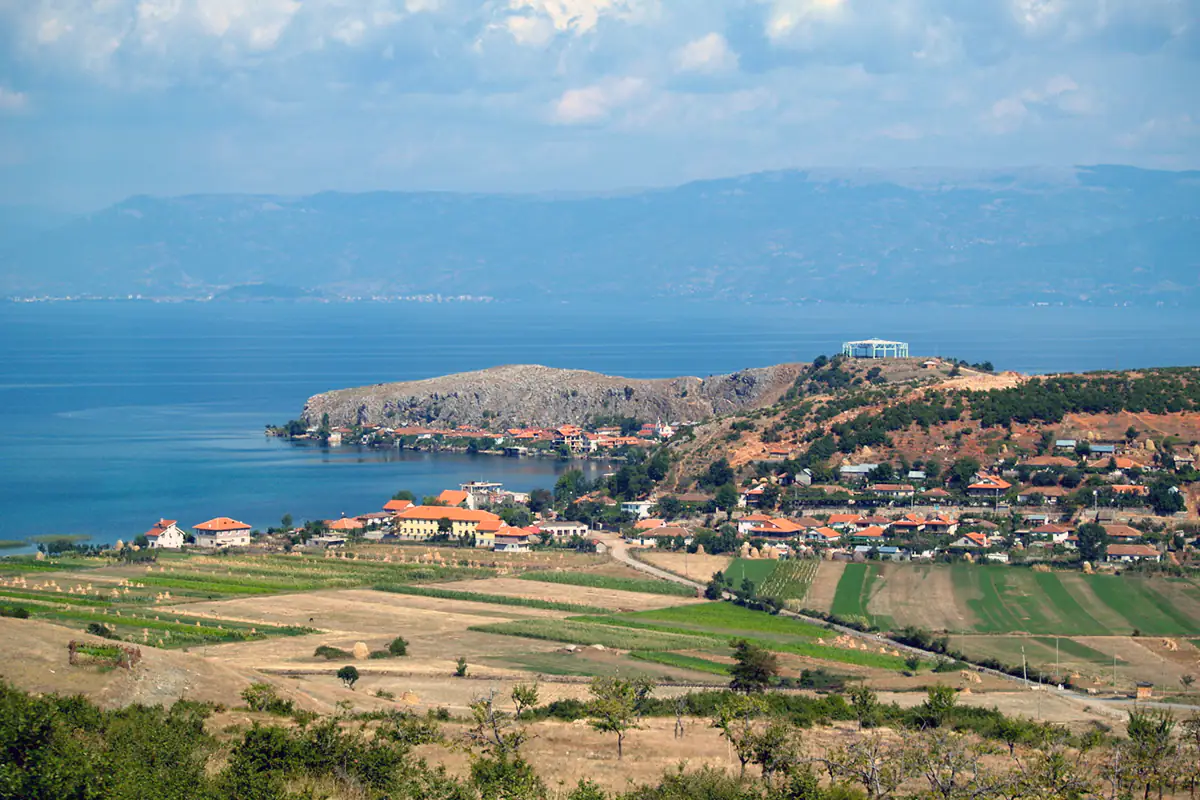
Lin is not only one of the most beautiful villages on the Albanian shore of Lake Ohrid—it is also one of the oldest inhabited places in all of Europe. Archaeological research has uncovered an 8,500-year-old stilt village beneath the waters of Lake Ohrid, placing Lin among the most ancient continuously settled sites on the continent. This discovery offers one of the strongest proofs that the Lake Ohrid basin has been a cradle of human life since Neolithic times.
Walking through Lin today, it is easy to forget that you are standing above thousands of years of layered history. On the hill above the village lies one of Lin’s greatest treasures: a 6th-century early Christian basilica adorned with spectacular Byzantine mosaics. These mosaics are considered among the most important in the Balkans, not only for their age but also for their artistic sophistication. The geometric patterns, floral ornaments, and symbolic motifs speak to a time when Lin was a lively spiritual center along ancient trade routes connecting the Illyrians, Romans, and Byzantines.
What is the historical significance of Lin in Albania?
The historical significance of Lin comes from the rare continuity of human presence. While many archaeological sites in Albania are abandoned ruins, Lin’s early settlements evolved into a living village that still preserves its spiritual, architectural, and cultural roots. Excavations reveal that Lin was inhabited by prehistoric communities, later by Illyrian tribes, and ultimately transformed into a Christian center during the Byzantine era.
For travelers, this means you are not just observing history—you are stepping directly into it. The layers of the past are visible everywhere: the mosaic basilica, the hilltop ruins, the lakeshore stilt remains, and the traditional houses built with stone and wood. Lin is a place where ancient and modern Albania blend seamlessly, giving visitors a rare chance to witness the deep timeline of human life along Lake Ohrid.
A Living Village with Authentic Culture
Despite its archaeological fame, Lin remains a peaceful and authentic lakeside community. The village is home to fishermen repairing their nets at sunrise, families preserving traditional gliko, and elderly women weaving linens on wooden looms. Children still play along the narrow cobbled lanes, and visitors are often greeted with warm hospitality that feels more like visiting family than traveling.
What makes Lin even more appealing is that it has avoided over-tourism. While nearby Pogradec and Ohrid attract larger crowds, Lin offers tranquility, silence, and longer uninterrupted walks along the lake. The charm lies in its simplicity—fresh air, blue waters, and a serene lifestyle rooted in centuries of tradition.
For travelers seeking authenticity and culture, Lin offers a genuine view of Albanian village life that has hardly changed in decades.
Must-See Attractions in Lin
Lin Mosaic, Lin Bunker Chapel, and Selca Illyrian Tombs
Lin’s attractions combine archaeology, culture, religion, and scenery in a way few villages can match. The highlight, without question, is the Mosaic of Lin, located on the hill overlooking the lake. This site contains the remains of a 6th-century basilica with detailed mosaics that once decorated the entire nave and side aisles. The patterns include fish, birds, geometric symbols, and Christian iconography that reflect the artistic brilliance of the Byzantine period.
Reaching the basilica requires a short walk uphill, rewarding visitors with panoramic views of Lake Ohrid. On clear days, you can see both the Albanian and North Macedonian shores, making it one of the most breathtaking viewpoints in the region. Travelers often describe this spot as one of the most peaceful places on the lake—a perfect moment to appreciate the connection between nature and culture that defines Lin.
The Unique Lin Bunker – A Bunker Turned Chapel
Another surprising attraction is the Lin bunker, a relic from Albania’s communist era. What makes this bunker special is its transformation into a lakeside chapel. Locals turned the once-military structure into a religious space decorated with icons and candles. It is now one of the most photogenic spots in the village, especially at sunset when the light reflects off the water.
This bunker-chapel perfectly symbolizes Albania’s resilience and creativity—turning its difficult past into something sacred and beautiful.
Exploring the Illyrian Royal Tombs of Selca
A short drive from Lin takes you to Selca e Poshtme, home to the Illyrian Royal Tombs—one of the most important archaeological sites in Albania and currently listed on UNESCO’s Tentative World Heritage List. These monumental tombs belonged to the Illyrian elite and date back to the 3rd century BCE.
Many travelers combine Lin and Selca in a single trip because the contrast is extraordinary:
- Lin shows life along the lake through thousands of years,
- Selca reveals the political and spiritual world of ancient Illyrian rulers.
Both sites offer a deeper understanding of Albania’s unique pre-Roman heritage.
What are the must-see monuments and sites in Lin?
If you are short on time, these are the essential attractions you cannot miss:
- The Mosaic of Lin – ancient basilica ruins + rich mosaics
- The Lin Bunker Chapel – a transformed bunker with a dramatic setting
- Lake Ohrid Shore – quiet viewpoints, clear waters, and endless photography opportunities
- Selca Royal Tombs – monumental Illyrian burial chambers
- Hilltop Viewpoints – sunrise and sunset panoramas
- Village Lanes – traditional architecture and local life
These sites offer a complete experience: history, archaeology, nature, and authentic Albanian culture all in one place.
Are there guided tours available in Lin and the Lake Ohrid region?
Yes. Guided tours are available for visitors who want deeper insight into Lin’s archaeology and Lake Ohrid’s cultural heritage. Albaniaturism.com offers private and group tours that include:
- The Mosaic of Lin with an expert guide
- A walking tour of the village and lakeshore
- A visit to the bunker-chapel
- Transportation to the Selca Illyrian Tombs
- Optional extensions to Pogradec, Drilon, Tushemisht, or Ohrid
A knowledgeable guide enhances the experience significantly, explaining the history of the basilica, the symbolism of the mosaics, and the stories behind Lin’s transformation from an ancient settlement to a modern village.
Experiencing Local Life and Cuisine
Traditional Products: Gliko, Olive Oil, Herbs & Homemade Raki
Lin may be small, but its culinary traditions are rich, diverse, and deeply connected to the landscape of Lake Ohrid. Food here is not just something to eat—it is an expression of heritage and family identity, passed down through generations. One of the most beloved local specialties is gliko, a traditional Albanian fruit preserve made from figs, walnuts, cherries, or even green tomatoes. It is slow-cooked in sugar syrup until shiny and tender, usually served on a small plate with a glass of cold water. Many families in Lin sell homemade gliko directly from their homes or at small village stalls, giving visitors a chance to taste a truly authentic village delicacy.
Another treasure of the region is Lin olive oil, produced in small quantities by local farmers who harvest olives by hand. The oil is typically cold-pressed and sold unfiltered, resulting in an aromatic and slightly peppery flavor. Visitors often buy olive oil as a souvenir because it reflects centuries of agricultural tradition in Eastern Albania.
Dried herbs—particularly mountain tea, oregano, and sage—are also widely available. Locals collect these herbs from the surrounding hillsides and dry them under the sun. They are used for teas, cooking, and natural remedies. In addition, homemade raki (a strong grape brandy) is a staple of village hospitality. When you visit Lin, it is not unusual for a host to greet you with a small glass of raki and a slice of homemade bread dipped in olive oil.
What local foods and products can I try in Lin?
Visitors can enjoy a wide variety of authentic Albanian foods, including:
- Fresh carp and koran fish from Lake Ohrid
- Gliko made from seasonal fruits
- Cold-pressed Lin olive oil
- Cheese and yogurt from local farms
- Byrek filled with greens or cheese
- Dried mountain herbs used for traditional teas
- Homemade raki distilled from grapes or plums
- Village honey harvested from local beekeepers
Eating in Lin means eating seasonally and locally. Most guesthouses prepare meals using ingredients from their gardens or from nearby farms, making every meal feel home-cooked and fresh.
Staying in Family-Run Guesthouses
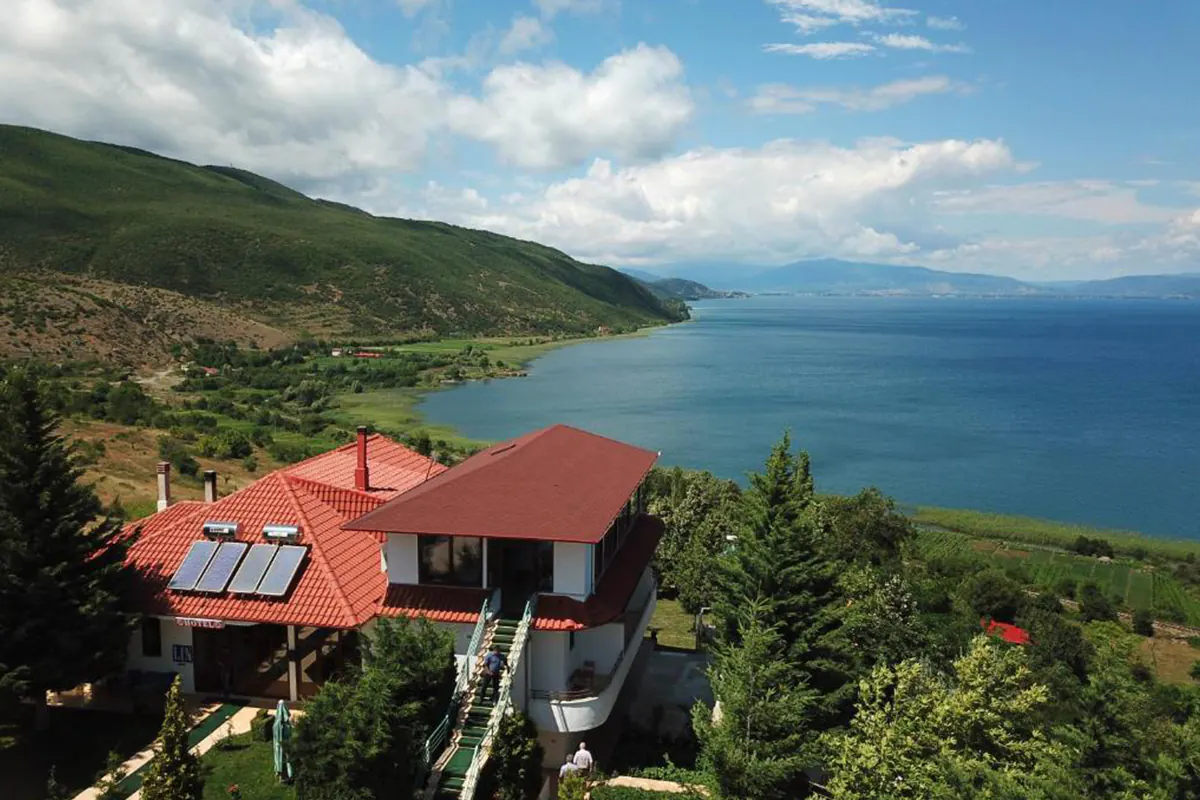
For travelers who want a deeper cultural experience, Lin guesthouses are the perfect choice. These family-run accommodations offer more than just a place to sleep—they provide an intimate look into Albanian village life. Guests often share meals with the hosts, learn about traditional cooking techniques, and participate in daily routines such as fishing, gardening, or preparing preserves.
Staying in a guesthouse offers several benefits:
- A personal, warm welcome
- Fresh, home-cooked meals
- Authentic cultural exchanges
- Direct support to local families
- Scenic locations near the lake
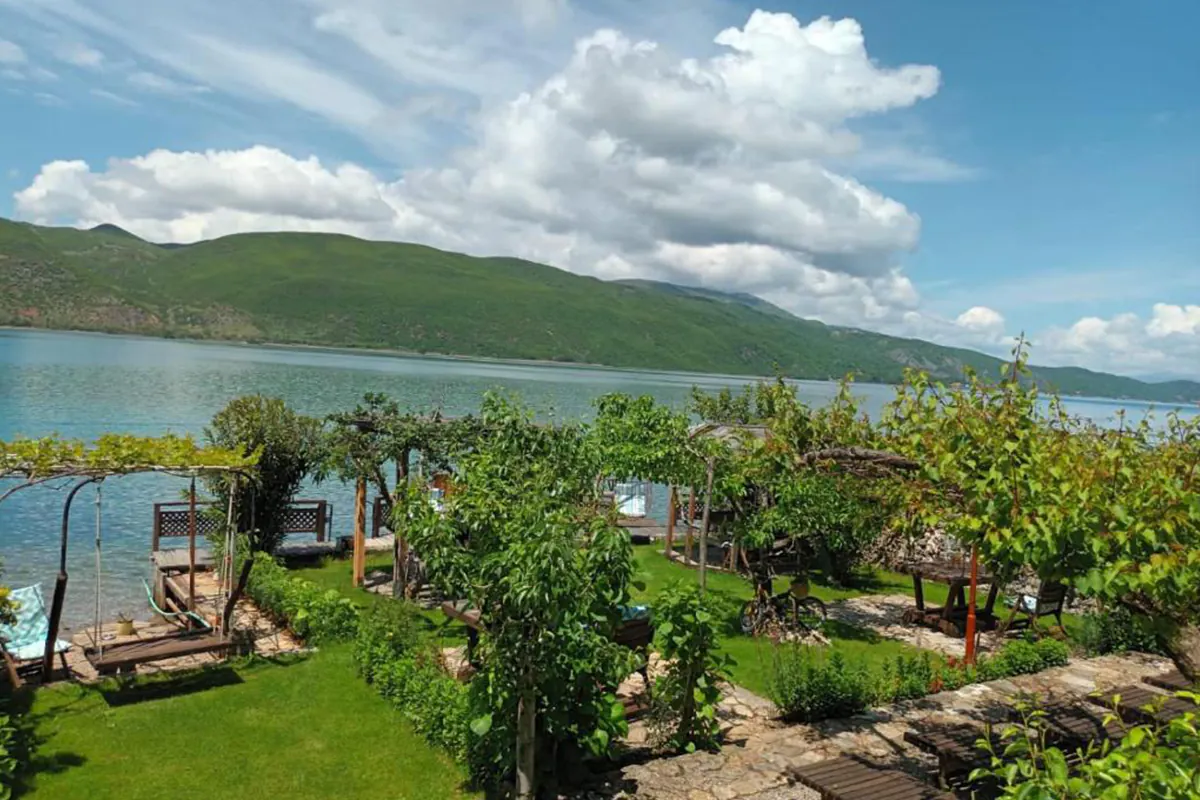
Many guesthouses also offer balconies overlooking Lake Ohrid, where mornings start with birdsong and a peaceful sunrise. For those who want calm and authenticity, this is one of the best ways to experience Lin.
Outdoor Activities and Exploring the Peninsula
Peninsula Walks, Lake Ohrid Views & Nature Exploration
Lin is one of the best destinations on the Albanian side of Lake Ohrid for nature lovers. The village sits on a small peninsula that juts into the lake, offering stunning 360-degree views and a wide variety of outdoor activities. Whether you enjoy hiking, photography, swimming, or simply walking along peaceful paths, the Lin peninsula has something magical to offer.
The most popular activity is Lin hiking, especially the trail that loops around the peninsula. This path is suitable for all fitness levels and offers continuous views of the lake’s turquoise waters. Along the way, you’ll pass wildflowers, olive trees, rocky cliffs, and quiet little coves perfect for picnics or swimming. The peninsula is also home to numerous bird species, making it a rewarding location for wildlife observation.
For photography enthusiasts, sunrise and sunset are the best times to explore. The sun casts golden reflections across the water, and the surrounding mountains turn pink and purple—a dreamlike scene that many travelers describe as “unreal.”
When is the best time to visit Lin for sightseeing and outdoor activities?
The best time to visit Lin depends on what you want to experience:
- April – June: Ideal for hiking, comfortable temperatures, wildflowers, and green landscapes.
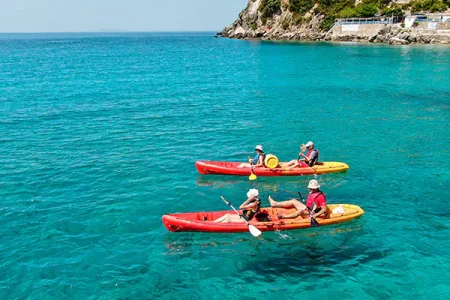
- July – August: Perfect for swimming and lake activities, though it is warmer.
- September – October: Great for photography, mild weather, harvest season for olives and grapes.
- November – March: Quieter atmosphere, fewer tourists, but colder and with reduced guesthouse availability.
For most travelers, late spring and early autumn offer the best balance of weather, scenery, and comfort. Summer is also excellent if swimming and sunbathing are your priorities.
Quiet Beaches and Hidden Coves
One of Lin’s greatest advantages is that it has several natural lakeside beaches—many of them almost private. Unlike the busier tourist areas, the Lin peninsula offers secluded spots where visitors can lay a towel, swim in crystal-clear water, and relax in total peace. These small beaches are ideal for families, couples, and solo travelers looking to escape crowds.
Connecting Lin with Nearby Towns
Lin is perfectly located for exploring the region around Lake Ohrid. After enjoying the village, travelers can easily continue toward:
- Prrenjas – gateway to Shebenik-Jabllanicë National Park
- Pogradec – lakeside promenade, fish restaurants, and cultural landmarks
- Drilon & Tushemisht – springs, canals, and shaded walking paths
- Elbasan – historical castle, museums, traditional markets
- Ohrid (North Macedonia) – UNESCO World Heritage Site, just across the lake
These nearby destinations make Lin an excellent base for multi-day exploration, offering both tranquility and access to major cultural attractions.
Planning Your Trip to Lin
How to Get to Lin from Tirana and Other Cities
Reaching Lin is simple and convenient, whether you’re traveling from Tirana, Elbasan, or Korça. The village sits directly on the national road between Pogradec and Librazhd, making it accessible year-round.
How do I get to Lin from Tirana or other major cities?
Here are the most common travel options:
From Tirana (about 2 hours 15 minutes)
- By Car: Take the A3 motorway toward Elbasan, then continue toward Prrenjas and Pogradec. The drive is scenic and smooth, passing through mountain landscapes and forests.
- By Bus: Buses from Tirana to Pogradec stop near Lin. The journey takes around 2.5–3 hours depending on traffic.
From Elbasan (about 55 minutes)
A short and easy drive via Librazhd and Prrenjas. Frequent minibuses make the trip throughout the day.
From Pogradec (about 20 minutes)
The quickest and most convenient route. Taxi services are affordable, and minibuses run every 30–60 minutes.
From Korça (about 1 hour)
Travel via Pogradec for the fastest connection.
Lin is small, so once you arrive, the village can be fully explored on foot. Parking is available at various spots near the lakeshore and guesthouses.
Lin Accommodation and Practical Travel Tips
Lin offers several types of accommodation, most of them family-run guesthouses with lake views and traditional hospitality. These stays often include breakfast made with local products such as cheese, olives, homemade jam, and freshly baked bread.
Can I stay overnight in Lin? What accommodation options are there?
Yes—Lin is an excellent place to stay overnight, especially for travelers who want calm, nature, and authentic village life. Accommodation options include:
- Lakeside guesthouses with balconies
- Traditional family homes offering meals
- Small boutique-style lodges
- Budget farmstays with rustic charm
Most guesthouses provide:
- Free Wi-Fi
- Home-cooked meals
- Garden or terrace with lake views
- Parking for guests
Booking early is recommended in summer and autumn, as Lin is gaining popularity due to its archaeological sites and relaxed lakeside setting.
Best Seasons, Local Advice & Tour Recommendations
To make the most of your visit, consider these essential travel tips:
Lin Travel Tips:
- Wear comfortable shoes for the mosaic hill climb.
- Bring sun protection—Lin gets strong sunlight in summer.
- Carry cash, as some shops do not accept cards.
- Visit early morning or sunset for the best photos.
- Combine your visit with a regional tour to maximize time.
Albaniaturism.com offers a variety of private and group Lin tours, including:
- Lin Mosaic + Village Walking Tour
- Lin + Drilon + Tushemisht
- Lin + Selca Illyrian Tombs
- Full-day Lake Ohrid cultural circuit
These tours include transportation, licensed guides, and flexible itineraries tailored to your interests.
Conclusion
Lin is more than a village—it is a living bridge between Albania’s ancient past and its present-day warmth. From the 8,500-year-old stilt settlement beneath the waters of Lake Ohrid to the 6th-century mosaic basilica overlooking the peninsula, Lin offers a rare combination of archaeology, nature, authentic hospitality, and quiet beauty. Whether you want to hike scenic peninsula trails, taste homemade gliko, explore Illyrian royal tombs, or simply enjoy peaceful sunsets, Lin is one of Albania’s most rewarding destinations.
At Albaniaturism.com, we believe that travel should be meaningful, personal, and filled with discovery. Our team works with local families, guides, and historians to help you experience Lin in the most authentic way possible—through stories, flavors, and landscapes that stay with you long after the trip ends.
Ready to explore Lin?
We can help you:
- Book guided tours with expert local guides
- Arrange accommodation in the best guesthouses
- Provide personalized itineraries through Lake Ohrid and nearby attractions
- Combine your Lin visit with destinations like Drilon, Pogradec, Elbasan, the Blue Eye, or even UNESCO Butrint

 English