
Half day
Daily Tour
6 people
English, Francais, German
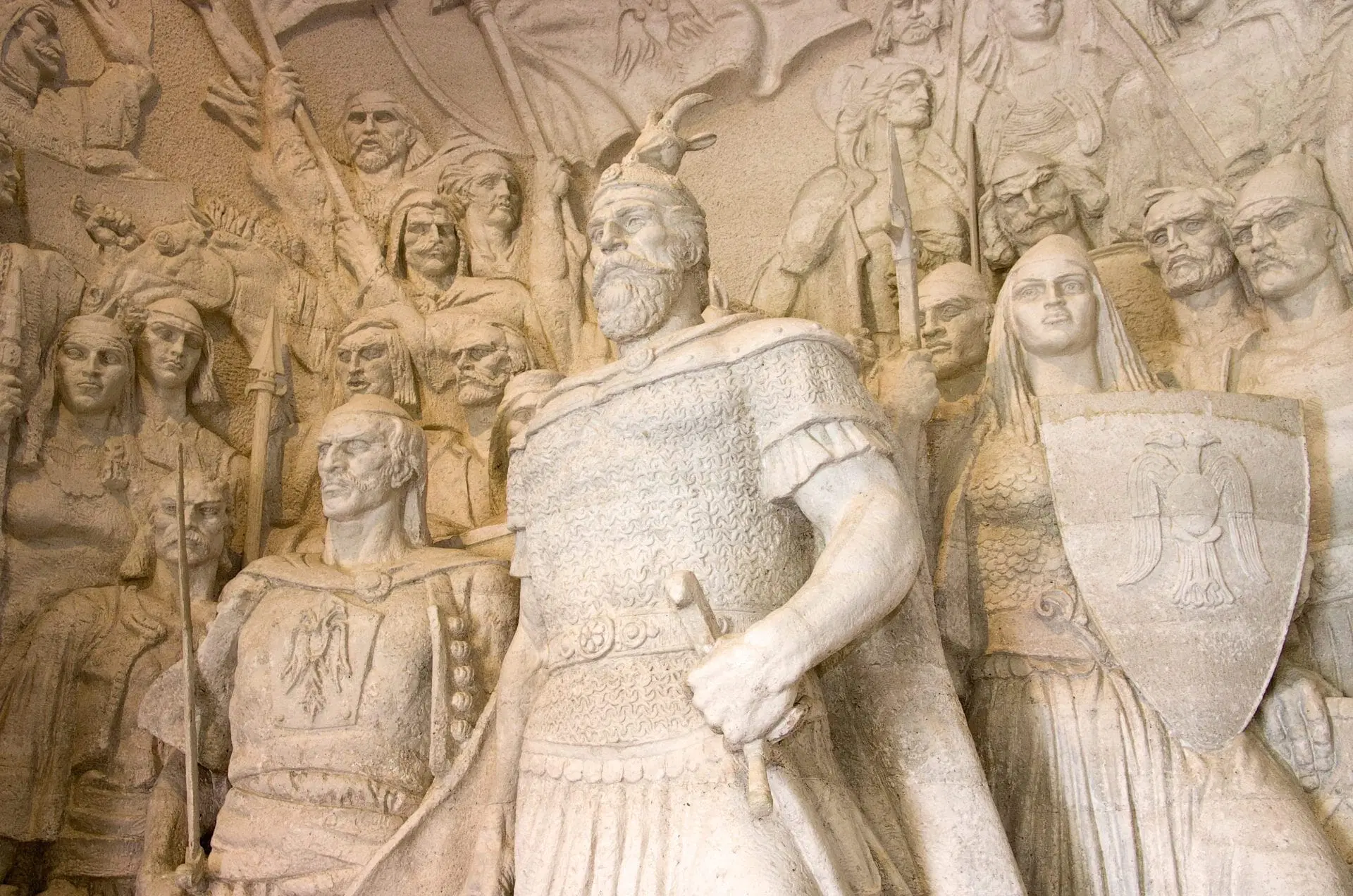
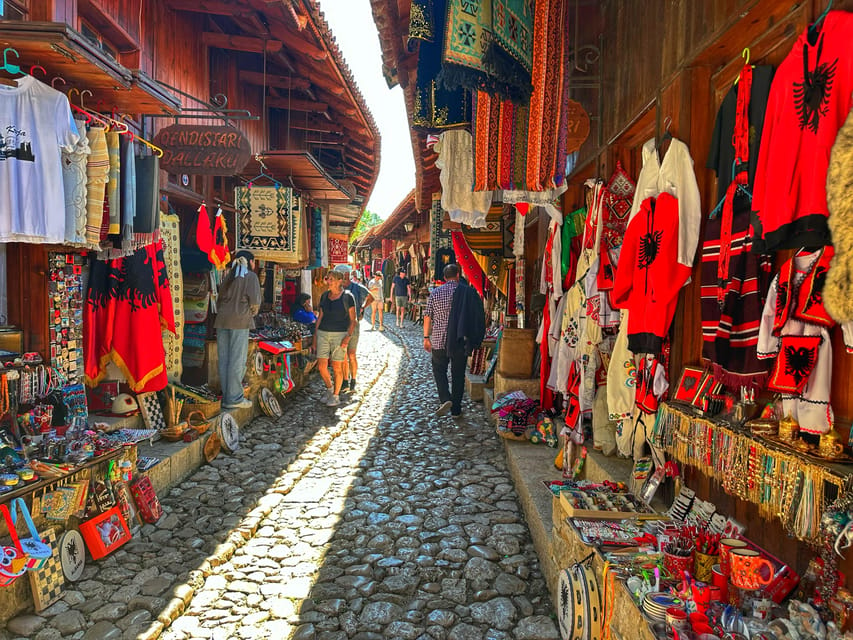
Kruja City Trip start from Tirana. Kruja itself is a located only 40 minutes away from the Albanian capital. In the 15th century this city was the scene of many battles between the Ottomans and the Albanians. The Albanians resisted the Ottomans for 25 years under the command of Skanderbeg who was later the national hero of the Albanians. You will learn more about this character, one of the most famous in Europe of that time by visiting this city. The old bazaar is worth a visit.
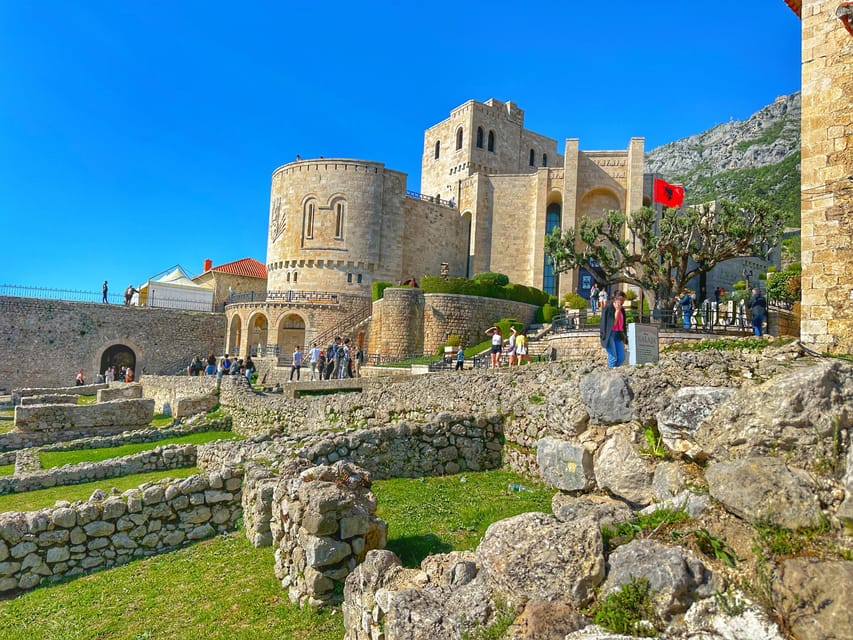
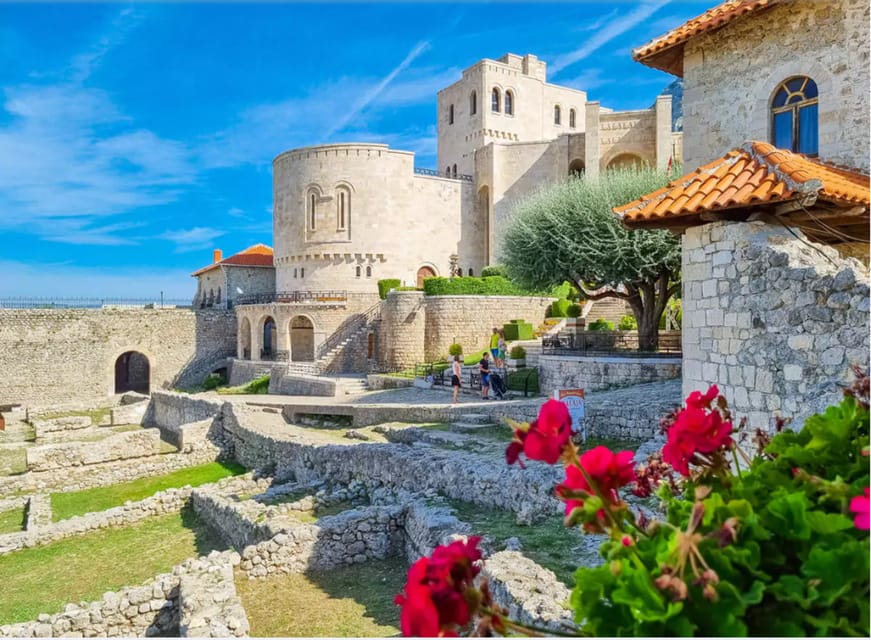
Medieval fortress perched on a hill with panoramic views of the surrounding valley.
Includes towers, walls, and historical structures.
Famous for its connection to Skanderbeg, Albania’s national hero.
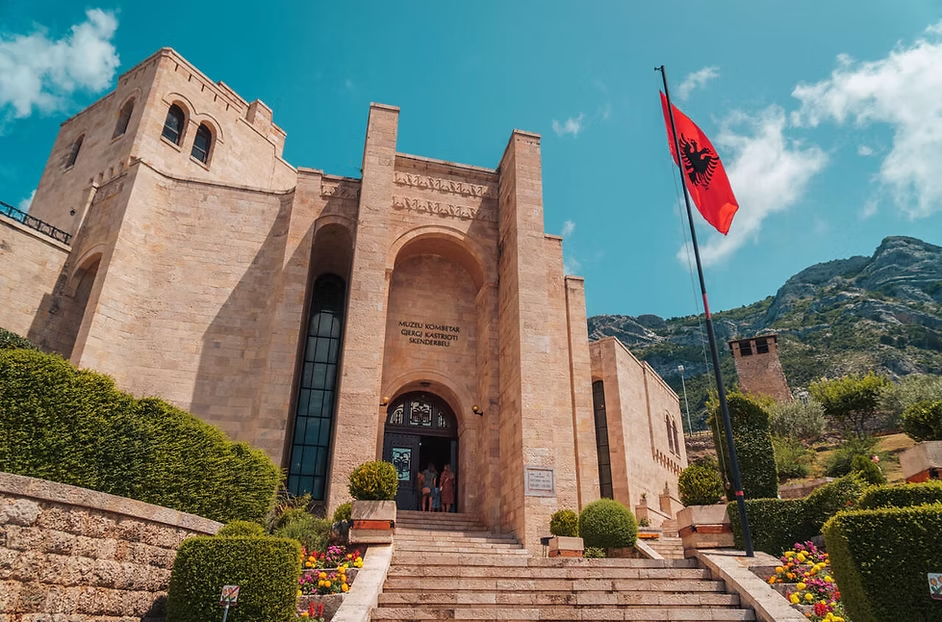
Located inside Kruja Castle.
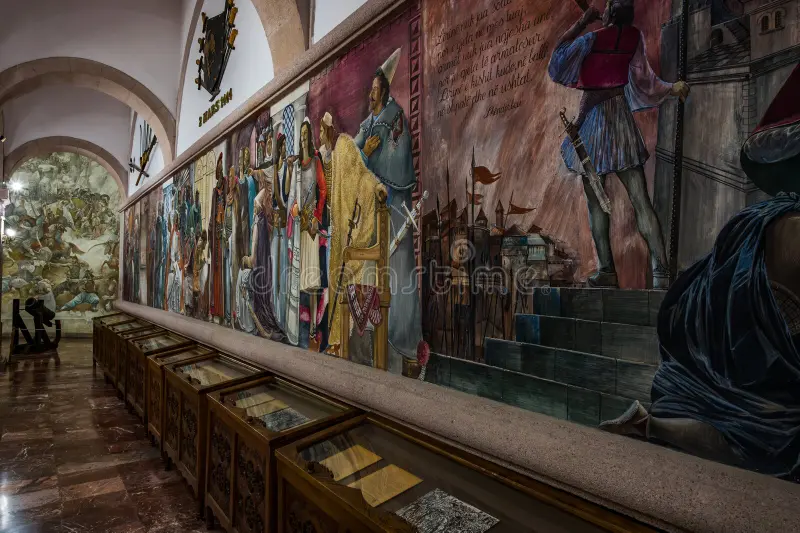
Dedicated to the life and legacy of Gjergj Kastrioti Skanderbeg, who fought the Ottoman Empire.
Exhibits include weapons, armor, and historical documents.
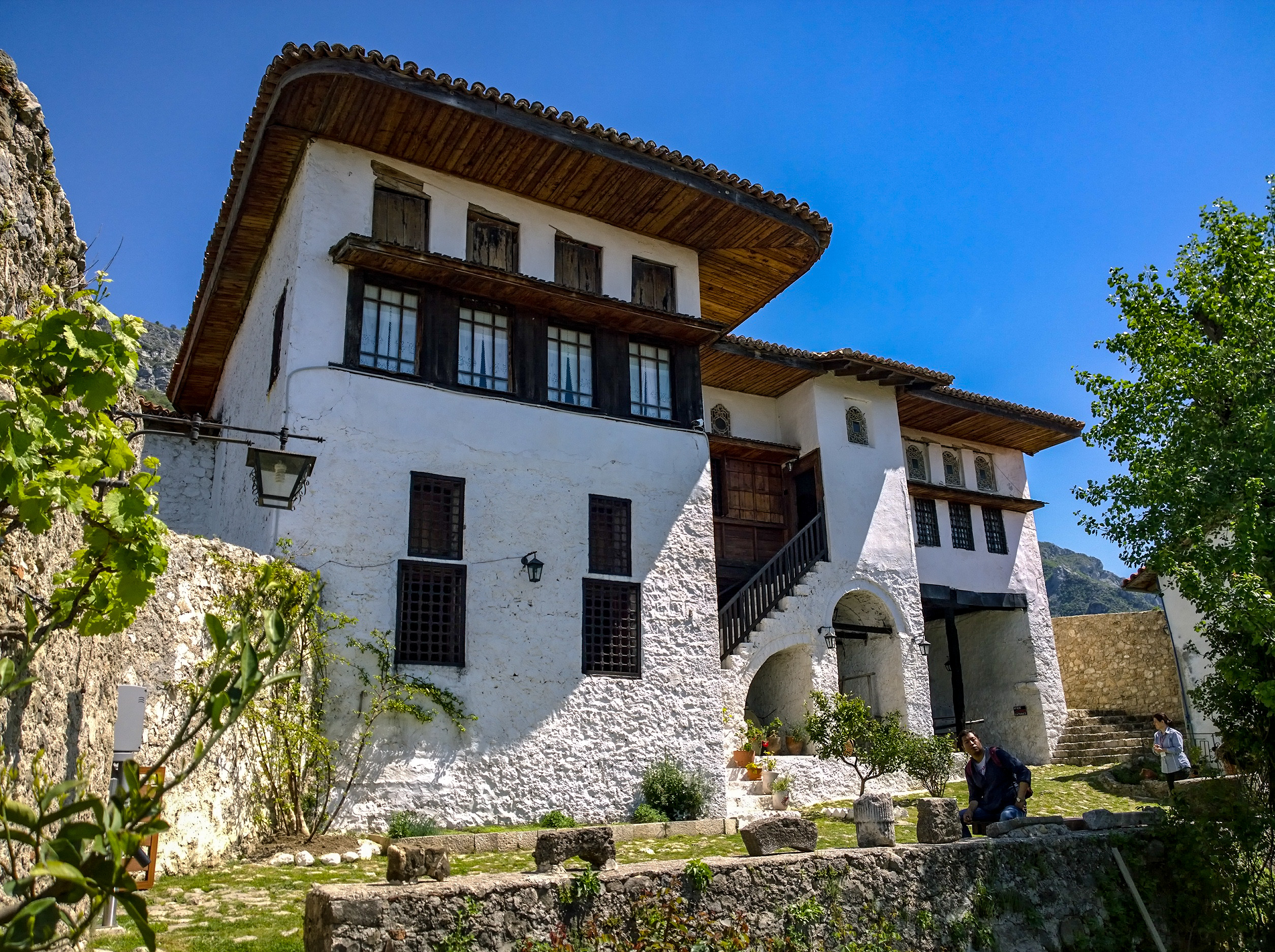
Housed in a traditional Ottoman-era house.
Displays Albanian rural life, traditional costumes, tools, and household items.
Offers insight into Kruja’s cultural heritage.
Traditional market near the castle.
Stalls selling handmade crafts, carpets, jewelry, souvenirs, and local foods.
A vibrant area to experience local culture and shop for authentic products.
A small Bektashi religious site with spiritual significance.
Offers insight into local religious traditions.
Small traditional houses and streets with Ottoman-era architecture.
Perfect for walking and photography.
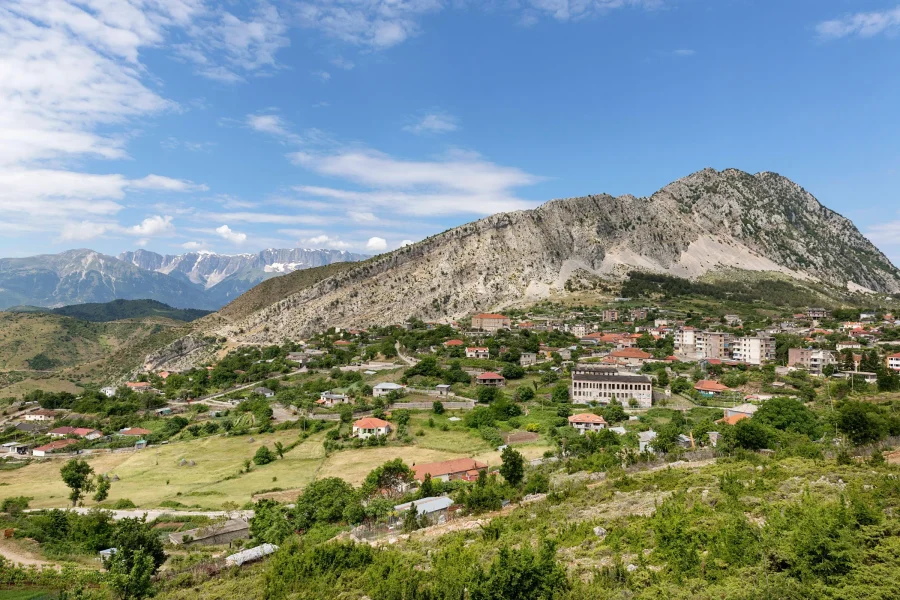
Kruja is set in hilly terrain, so visitors can enjoy short hikes and beautiful panoramas of the Skanderbeg Valley.
Photo opportunities of both natural and historical landscapes.
Small restaurants and cafés serve traditional Albanian dishes such as tavë kosi, fërgesë, and byrek.
Don’t miss local sweets like petulla.
The Skanderbeg Museum in Tirana is a tribute to the national hero Gjergj Kastrioti, also known as Skanderbeg. Housed in a prominent building in the city center, the museum showcases artifacts, manuscripts, and artworks related to Skanderbeg's life and the resistance against the Ottoman Empire in the 15th century. Visitors can explore exhibits detailing Skanderbeg's military strategies, personal belongings, and the historical context of his time. The museum likely features multimedia presentations, dioramas, and interactive displays, offering a comprehensive understanding of the heroic figure and his impact on Albanian history.
The Ethnographic Museum in Tirana provides a captivating journey into the daily life of a prosperous Albanian family during the 18th century. The museum's exhibits recreate period-specific interiors, showcasing traditional clothing, household items, and artifacts. Visitors can explore various rooms, including bedrooms, kitchens, and reception areas, each meticulously arranged to depict the lifestyle of the affluent class. The museum's collection may include textiles, jewelry, and furnishings, offering insights into the cultural, social, and economic aspects of 18th-century Albanian life. Interactive displays and guided tours enhance the immersive experience, providing a glimpse into the rich heritage of the region.
The museum dedicated to Gjergj Kastrioti Skanderbeg in Tirana offers a comprehensive exploration of the national hero's life and legacy. Visitors can expect exhibits that highlight key aspects of Skanderbeg's military achievements, leadership, and the historical context of his contributions to Albania.
The ethnographic museum in Tirana provides a captivating glimpse into the daily life of a prosperous Albanian family during the 18th century. Visitors can explore exhibits showcasing artifacts, traditions, and lifestyles that were characteristic of affluent Albanian households from that era.
The 18th-century Bazaar in Tirana is a historical market offering a unique shopping experience. Visitors can expect to find a variety of souvenirs, crafts, and cultural items. The bazaar preserves its historical charm, providing an opportunity for tourists to explore and purchase locally crafted goods while experiencing the ambiance of the 18th-century marketplace.
Visitors can enhance their experience by joining these tours to gain in-depth insights into the historical context, stories behind exhibits, and recommendations for exploring and shopping in the Bazaar.

Member Since 2024
 English








Leave a review