0 (0 Reviews)
Tirana, Albania
From: €0.00
0
(0 review)
Inquiry
Duration

3-4 hours

Tour Type

Daily Tour

Group Size

8 people

Languages

English, Francais, German

About this tour

Tirana ist eine ziemlich lebendige Stadt. Bars und Terrassen, kohabitieren mit den typischen Vierteln und den Plätzen voller Leben. Der Lebensstil der Städte und Länder Südeuropas “La dolce vita“ ist in Tirana sehr präsent.

Highlights

  • Discover the main landmarks of the capital of Tirana and learn about their history.
  • Learn about day-to-day local people's habits and local culture.
  • Discover about the communism in Albania.
  • Learn about the actuality in Albania.
  • Enjoy the vibrant modern architecture and skyscrapers of Tirana.

Included/Excluded

  • The tour guide in English or Czech Language
  • Foods and drinks if any (optional)
  • Tickets if any (optional)

Itinerary

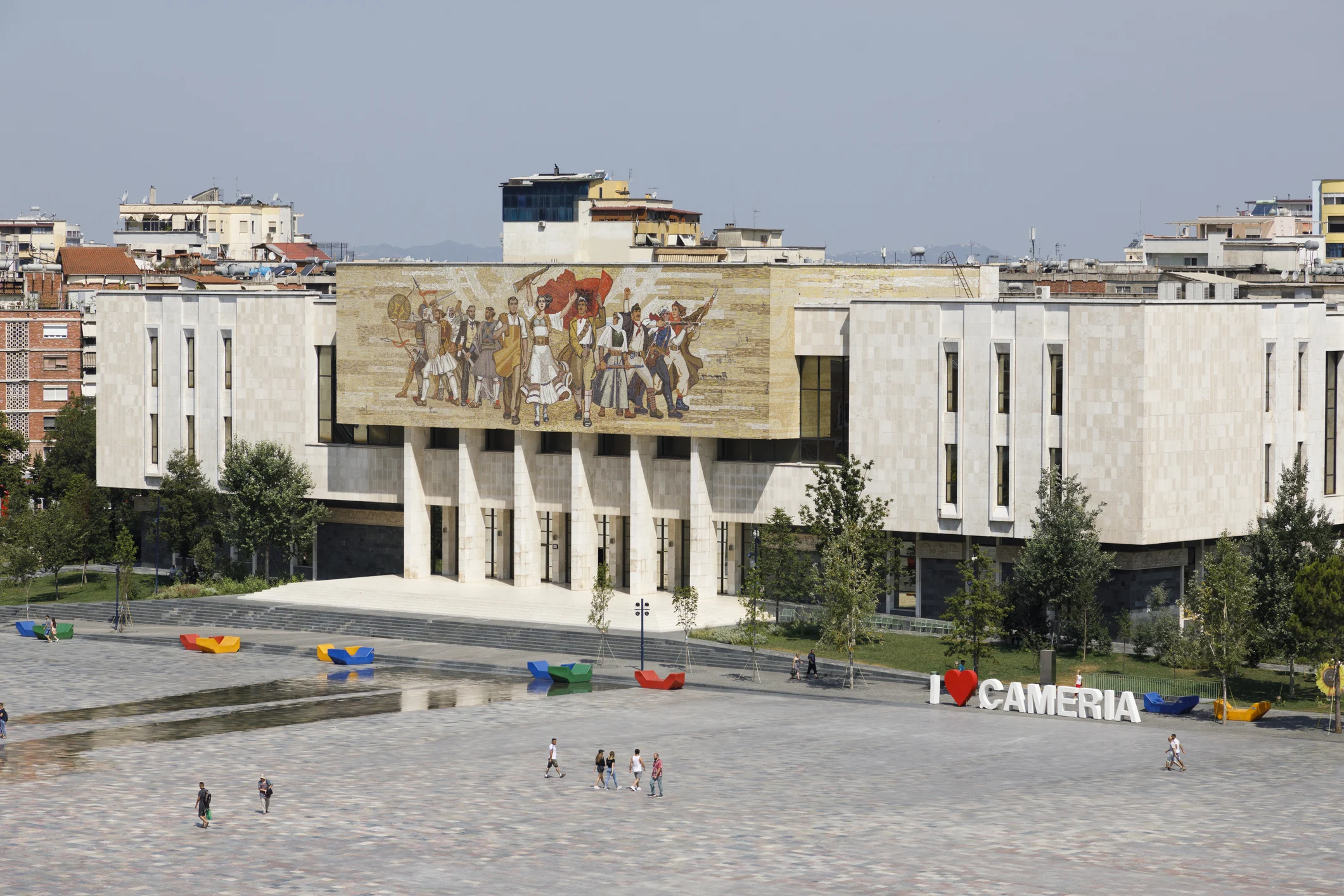
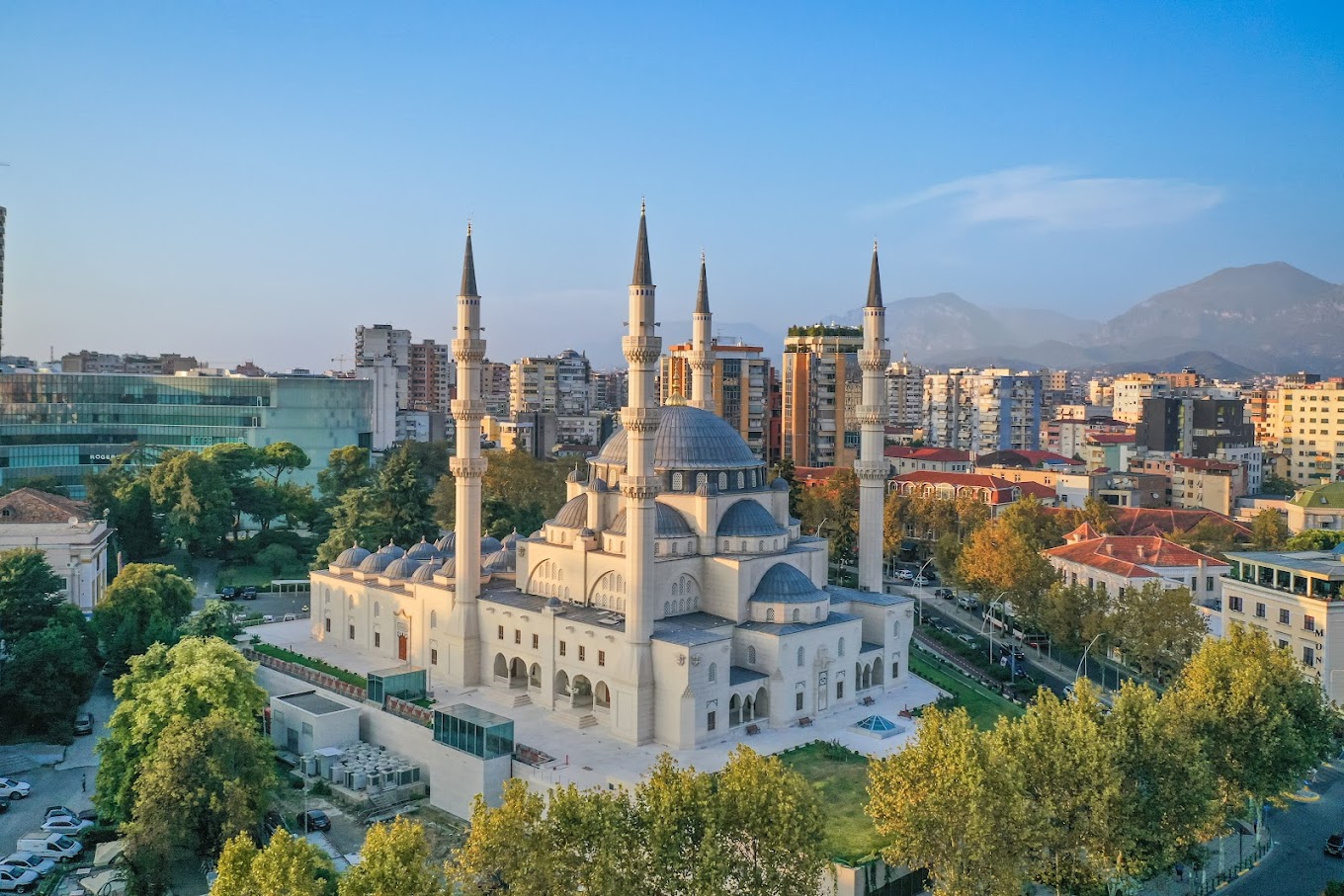
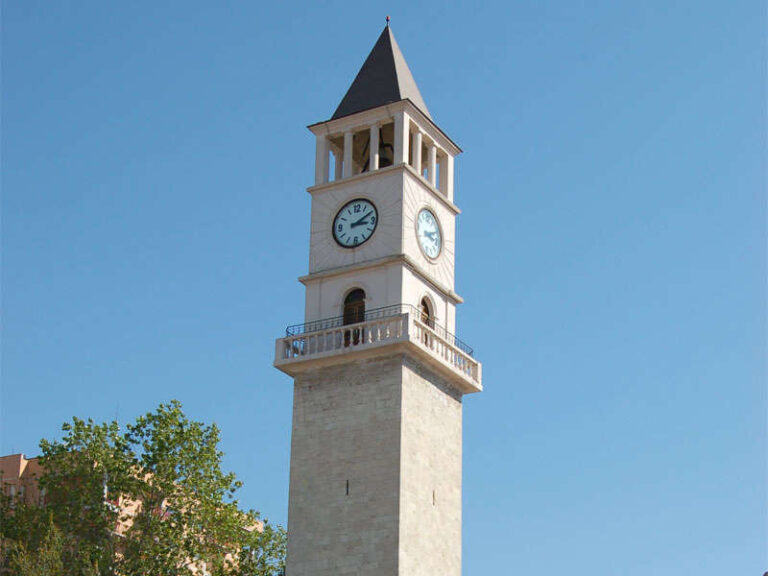
Skanderbeg Square is the central public space in the heart of Tirana, named after the national hero Gjergj Kastrioti Skanderbeg. The square serves as a focal point for various cultural, political, and social events. Dominating the square is the Skanderbeg Monument, featuring a bronze equestrian statue of Skanderbeg, surrounded by fountains and greenery. The square is lined with important buildings such as the National Historical Museum, the Opera and Ballet Theater, and the Et'hem Bey Mosque. It's a popular gathering place for both locals and tourists, offering a vibrant atmosphere, especially in the evenings when the city comes alive with lights and activity.

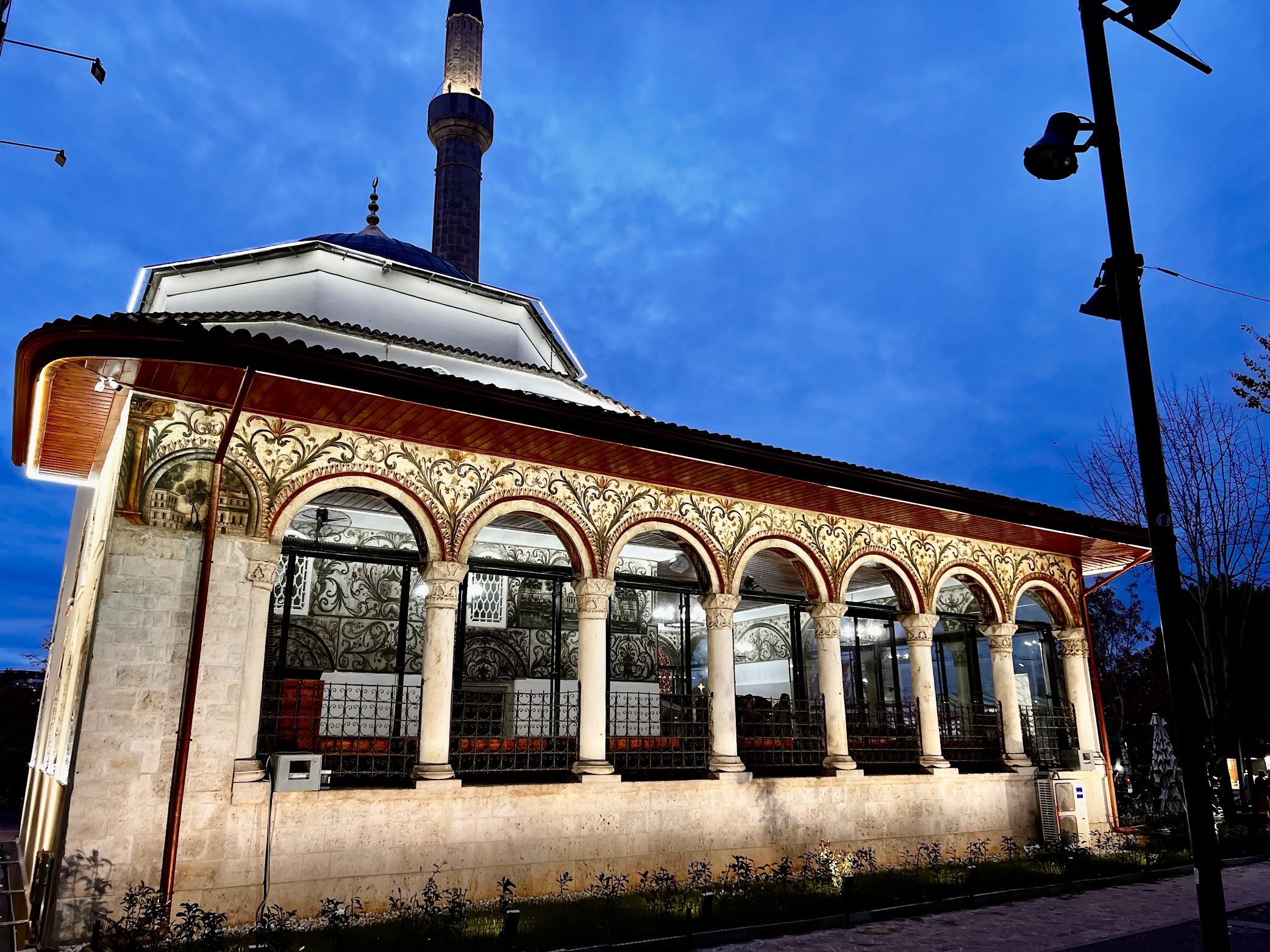
Et’hem Bey Mosque is one of Tirana’s most important cultural monuments, built in the late 18th and early 19th centuries by Molla Bey and completed by his son, Haxhi Et’hem Bey. Famous for its delicate frescoes depicting trees, waterfalls, and rural landscapes—rare in Islamic art—the mosque survived the communist era untouched and reopened in 1991 after a peaceful protest. Located on Skanderbeg Square, it remains a symbol of Albania’s religious tolerance and architectural heritage.

The Buildings of the Ministries are a notable architectural ensemble in Tirana, Albania, housing key government offices and administrative institutions. Located near Skanderbeg Square, these structures reflect Albania’s mid-20th-century architectural style, combining functionality with a monumental aesthetic. The area is a central hub for political and administrative activity and is often visited by those interested in the country’s governance and urban development. The Buildings of the Ministries provide insight into Tirana’s historical and contemporary administrative life, making them an important stop for understanding the city’s civic landscape and its role in Albania’s national affairs.


The Independence Memorial is a significant landmark in Vlorë, Albania, commemorating the country’s declaration of independence in 1912. The monument honors the leaders and events that led to Albania’s liberation from Ottoman rule. Featuring symbolic sculptures and inscriptions, it reflects the nation’s pride and historical struggle for sovereignty. Located near the historic center of Vlorë, the memorial is a popular spot for visitors to learn about Albania’s national history, pay tribute to its founding figures, and capture photos of this iconic site that represents freedom and patriotism.

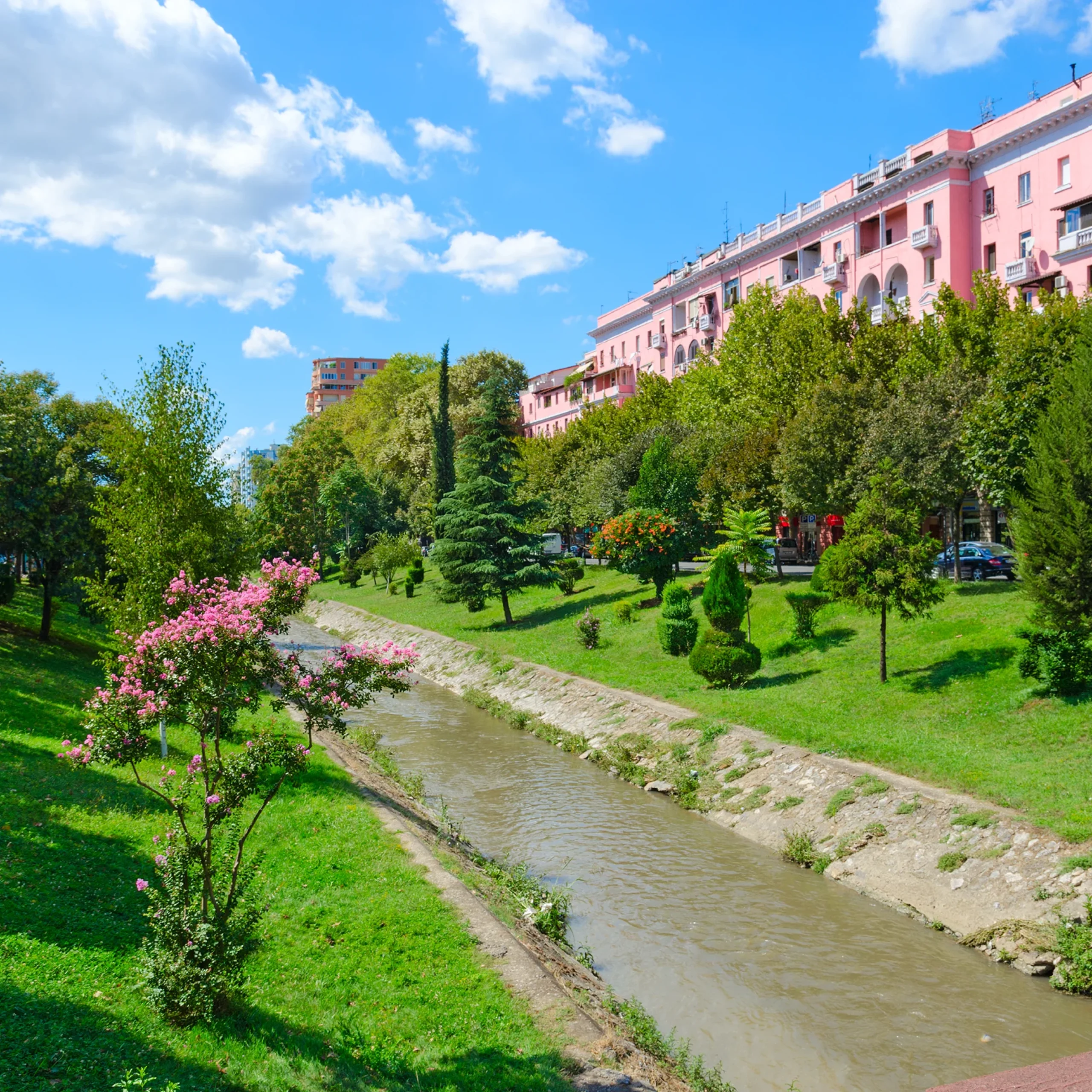
Rinia Park is a central green space in Tirana, Albania, located near Skanderbeg Square. Known as the “Youth Park,” it offers a peaceful escape from the city’s hustle with walking paths, fountains, and open lawns. The park features playgrounds, cafes, and occasional cultural events, making it ideal for families, friends, or solo relaxation. Surrounded by historic and modern landmarks, Rinia Park is a popular spot for both locals and tourists to unwind, enjoy nature, and soak in the vibrant atmosphere of Tirana’s city center.

Hotel Dajti is a historic hotel in Tirana, Albania, known for its central location and classic charm. Established in the mid-20th century, it has hosted numerous visitors seeking comfort and convenience in the heart of the city. The hotel offers easy access to major landmarks, restaurants, and cultural sites, making it ideal for both tourists and business travelers. With its traditional architecture and welcoming atmosphere, Hotel Dajti provides a glimpse into Tirana’s hospitality history while serving as a convenient base for exploring the capital’s vibrant streets and attractions.

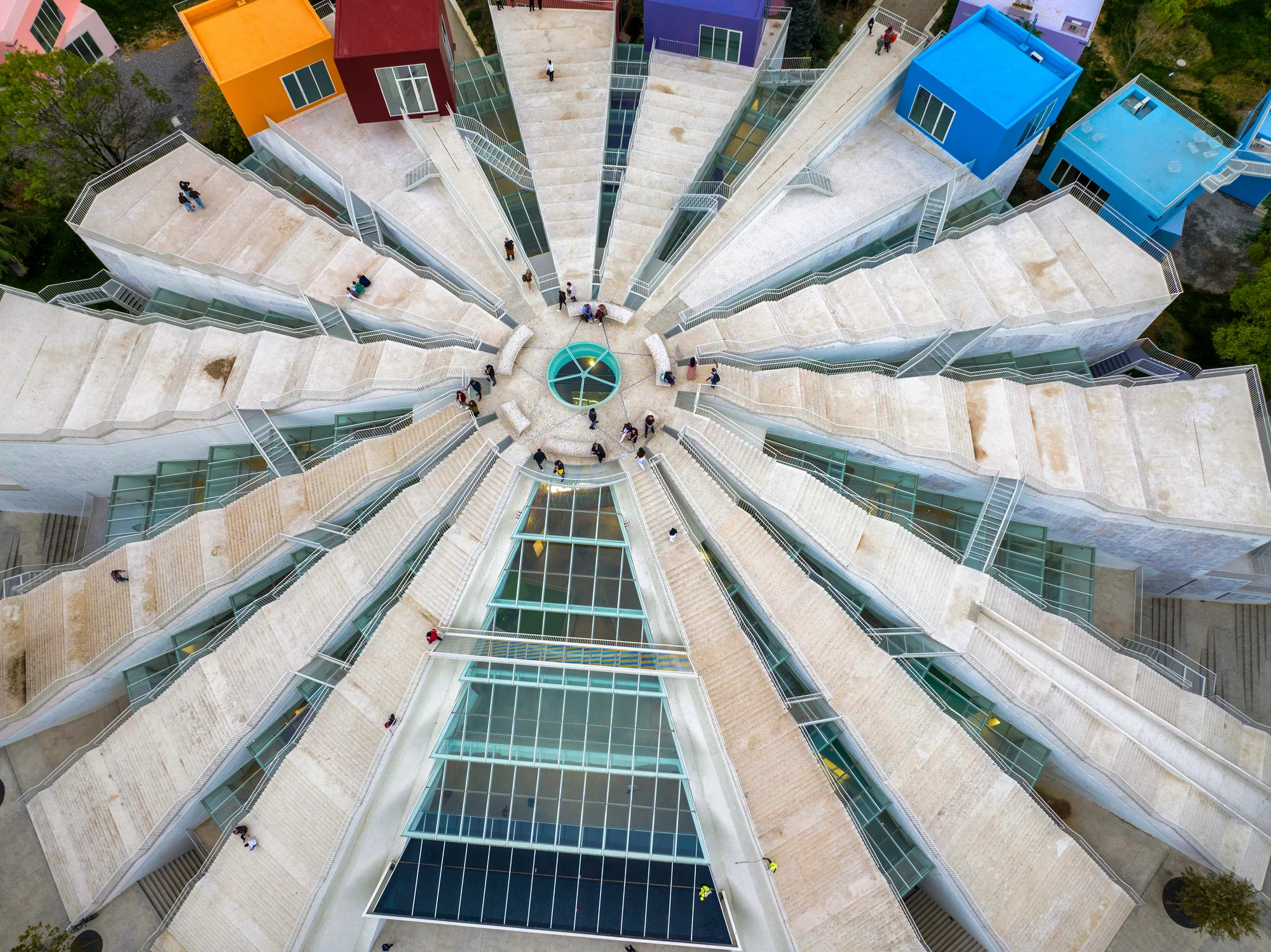
Pyramid of Tirana is a striking landmark in the heart of Albania’s capital, originally built as a museum dedicated to Enver Hoxha. Its unique, modernist architecture makes it one of the city’s most photographed sites. Over the years, the pyramid has served various purposes, from exhibition space to cultural events and urban exploration. Today, it stands as a symbol of Tirana’s evolving history and contemporary creativity. Visitors can admire its design, climb parts of the structure, and enjoy the surrounding open area, making it a must-see for those exploring the city center.


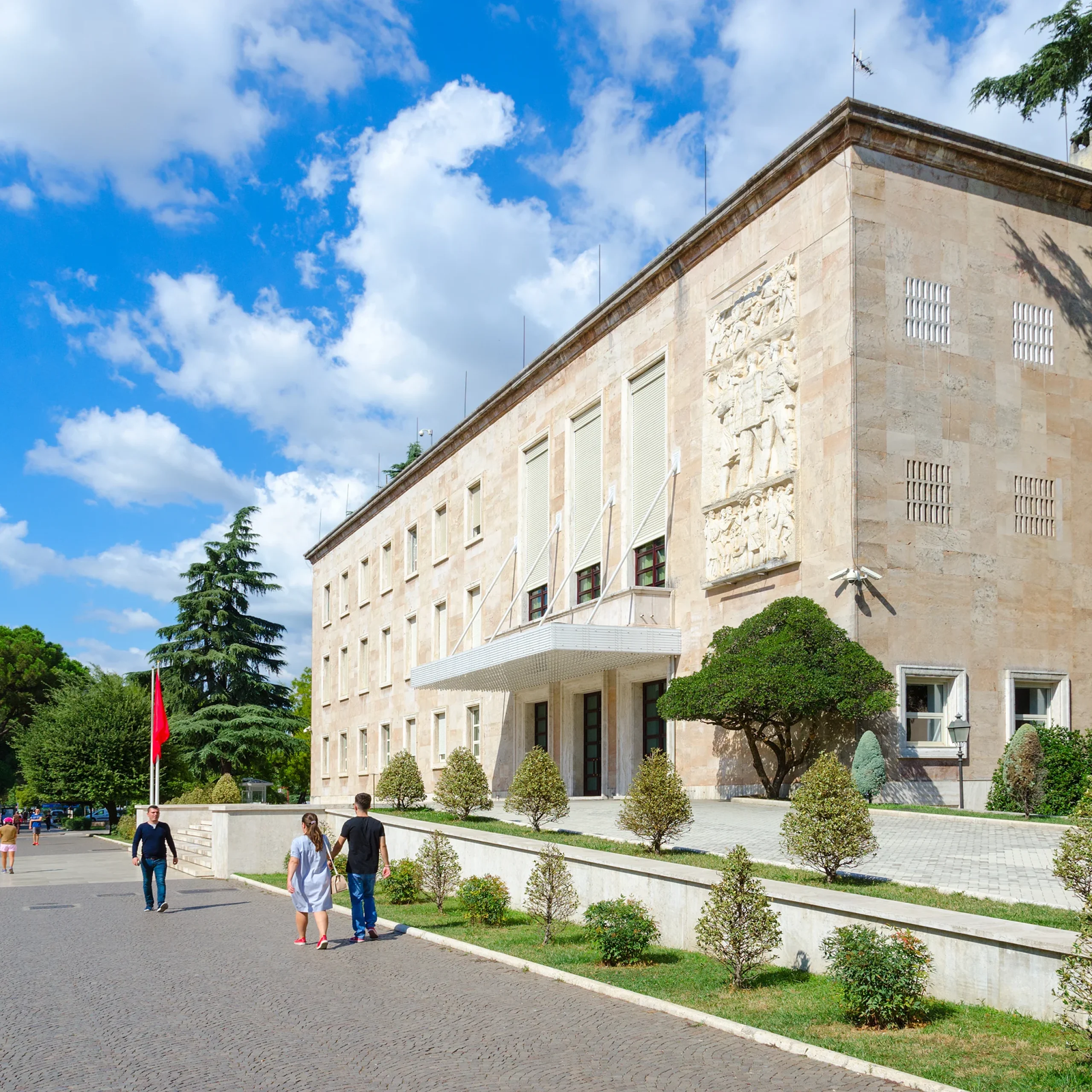
The Prime Minister’s Office is a key government building in Tirana, Albania, serving as the headquarters of the country’s executive leadership. Located near Skanderbeg Square, it plays a central role in Albania’s political decision-making and administration. The building’s architecture reflects a functional and modern style, symbolizing the authority and organization of the government. While access is restricted to official business, the office is an important landmark for visitors interested in Albania’s political system and civic life, offering insight into the workings of the nation’s leadership at the heart of the capital.

The Parliament’s Offices are central government buildings in Tirana, Albania, housing the administrative functions of the Albanian Parliament. Located near Skanderbeg Square, they support the legislative work of the country, including offices for members of parliament and parliamentary staff. The architecture is modern and functional, reflecting the practical needs of government operations. While public access is limited, the Parliament’s Offices are an important landmark for those interested in Albania’s political system and governance, providing insight into the country’s legislative processes and the administrative heart of its democracy in the capital city.

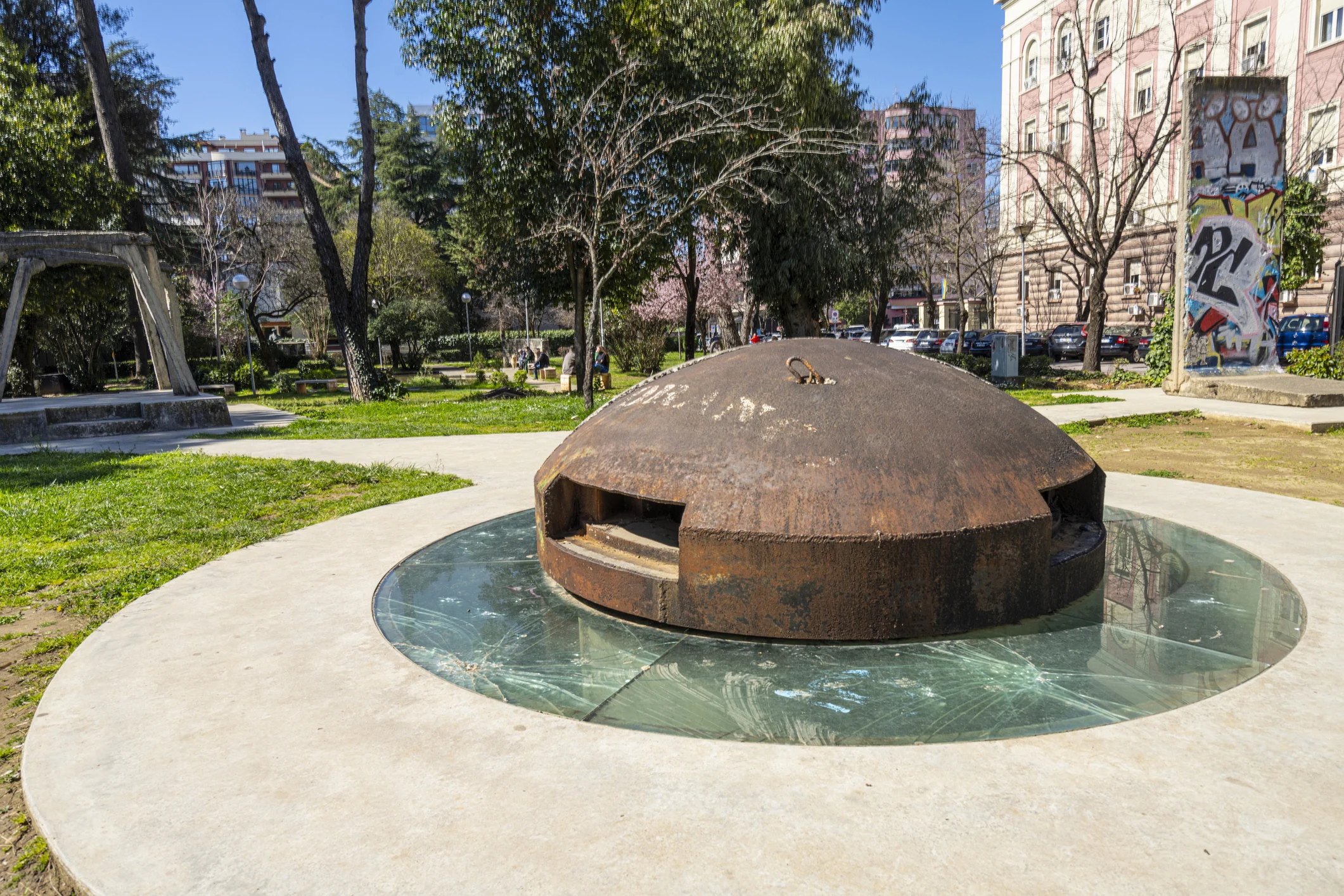
Postbllok – Checkpoint Memorial is a historical site in Tirana, Albania, commemorating the country’s communist-era security and surveillance system. It preserves remnants of the notorious checkpoints, prison cells, and sculptures symbolizing oppression and resistance. The memorial offers visitors a vivid insight into Albania’s totalitarian past and the struggles faced by its people. Located near the city center, Postbllok serves as both an educational and reflective space, attracting those interested in history, human rights, and political heritage, making it a powerful reminder of the nation’s journey from dictatorship to democracy.

Enver Hoxha's Former Residence is a historical site in Tirana, once home to Albania’s long-time communist leader. The residence showcases the lifestyle and architecture associated with Hoxha’s rule, offering insight into the country’s communist past. While the property itself is now largely a landmark rather than a museum, visitors can explore its exterior and the surrounding grounds to understand its historical significance. Located near the city center, the residence is an important stop for those interested in Albania’s political history and provides context to the dramatic changes the nation experienced during and after Hoxha’s regime.

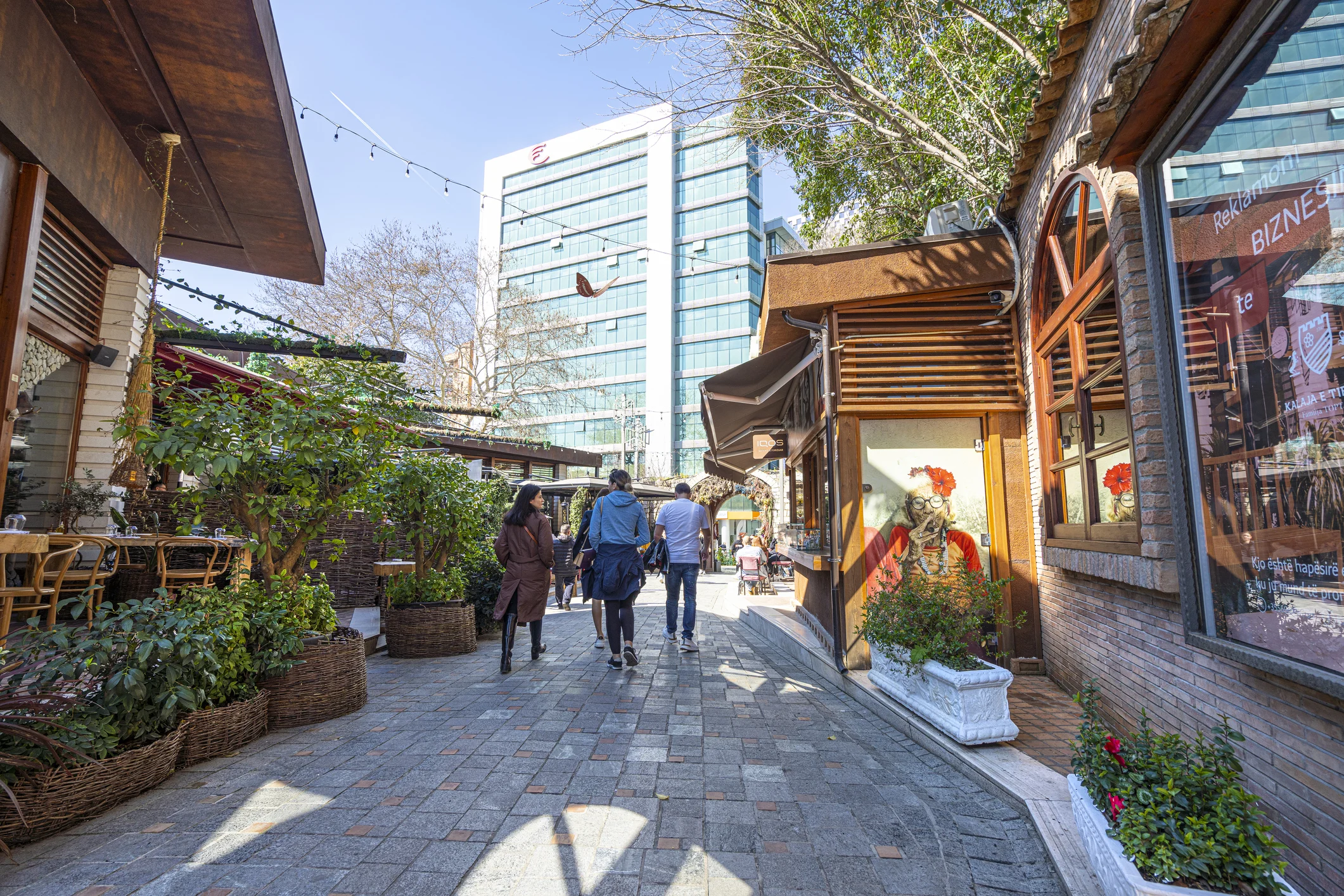
Bllok District is a vibrant and trendy area in Tirana, once an exclusive neighborhood reserved for Albania’s communist elite. Today, it has transformed into a lively hub of cafes, bars, restaurants, and boutiques, attracting both locals and tourists. Known for its nightlife and modern urban vibe, Bllok also features colorful street art and pedestrian-friendly streets, making it perfect for strolling and people-watching. This district reflects Tirana’s dynamic blend of history and contemporary culture, offering visitors a glimpse into the city’s transformation from a restricted zone to one of its most popular social and entertainment hotspots.

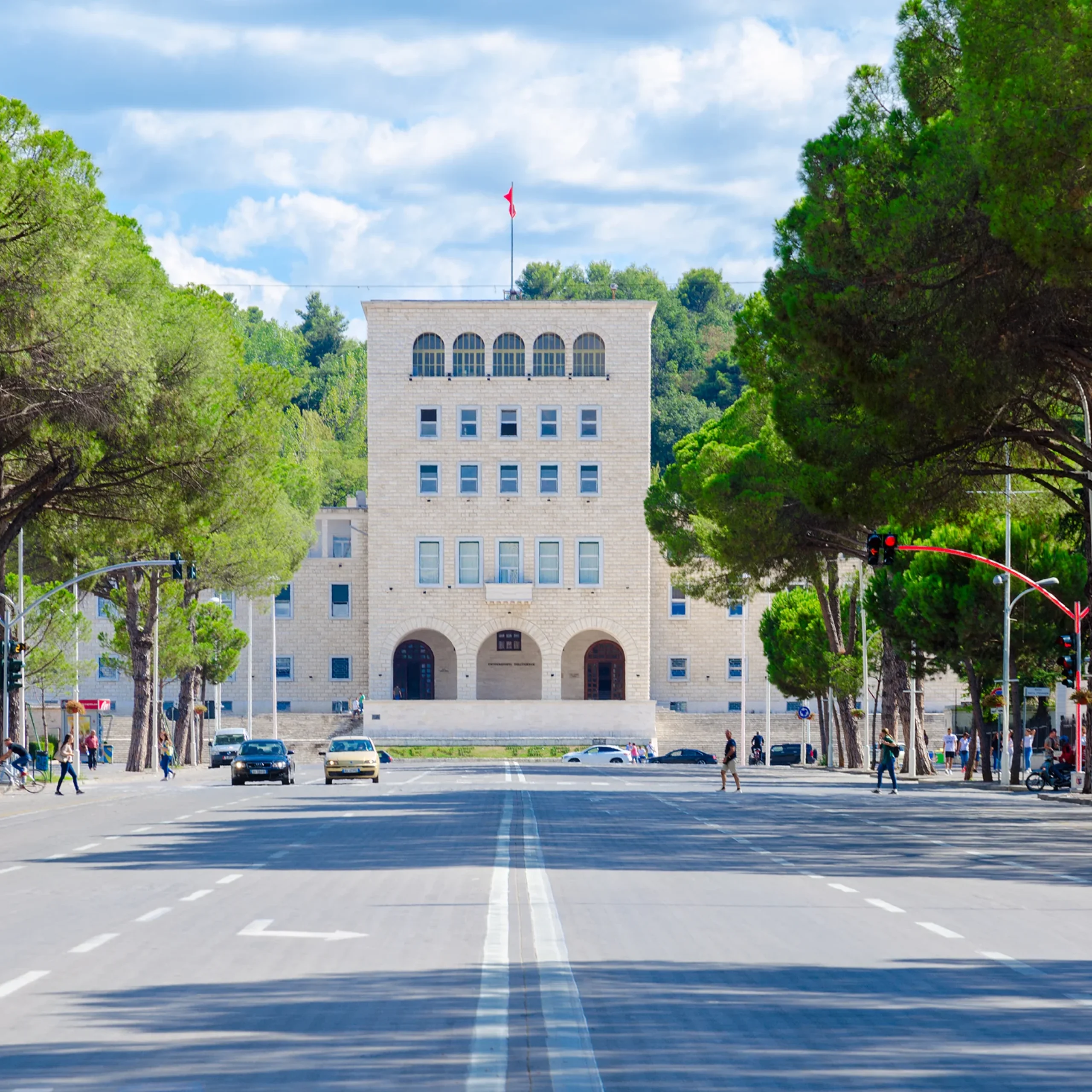
Polytechnic University of Tirana is a leading higher education institution in Albania, specializing in engineering, technology, and applied sciences. Located in the heart of Tirana, it attracts students from across the country and beyond. The university offers a wide range of programs, research opportunities, and modern facilities, contributing to Albania’s scientific and technological development. Its campus is a hub of academic activity, innovation, and student life. Polytechnic University of Tirana is an important landmark for those interested in education, research, and the growth of Albania’s technical and engineering expertise.

Air Albania Stadium is the main sports arena in Tirana, Albania, serving as the home ground for the national football team. Opened in 2019, it features modern facilities, a large seating capacity, and a striking contemporary design. The stadium hosts football matches, concerts, and major events, making it a key venue for sports and entertainment in the city. Located near the city center, it is easily accessible and a must-visit for football fans or anyone interested in Albania’s growing sports culture. Its vibrant atmosphere reflects the passion and energy of Tirana’s locals.

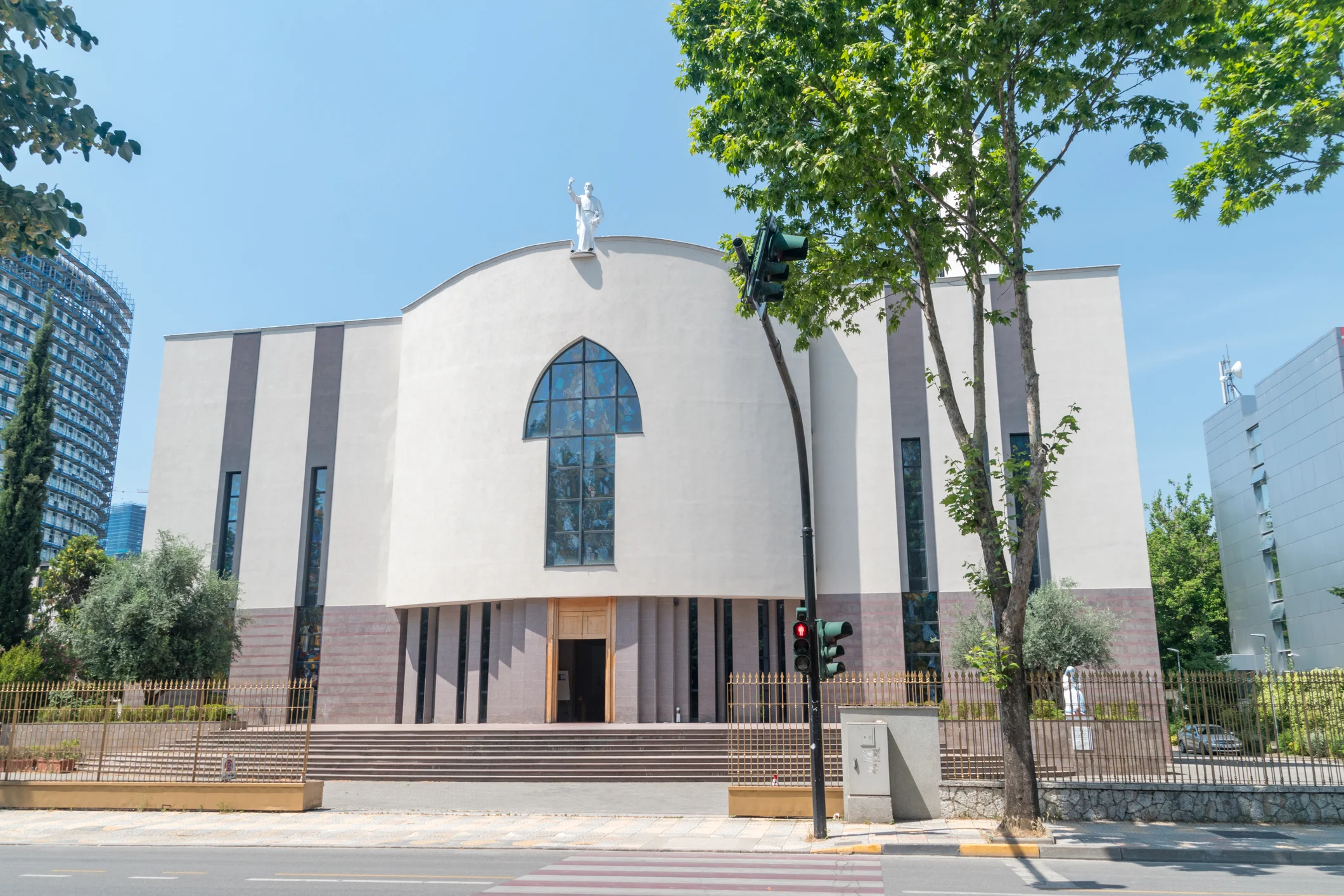
Saint Paul’s Catholic Cathedral is a prominent religious landmark in Tirana, Albania, serving as the main center of worship for the Catholic community. Built in a modern architectural style, it features spacious interiors, elegant stained glass, and a serene atmosphere for prayer and reflection. The cathedral hosts regular services, religious ceremonies, and community events, making it a vital spiritual and cultural hub. Located near the city center, Saint Paul’s Catholic Cathedral is easily accessible to visitors interested in religious history, architecture, and Albania’s diverse cultural heritage, offering a peaceful retreat in the midst of Tirana’s bustling urban life.

Justinian’s Fortress is a historic site in Tirana, Albania, dating back to the Byzantine era. Built under Emperor Justinian I, its ruins offer a glimpse into the city’s ancient past and strategic importance. Though partially preserved, the fortress walls and foundations reveal the scale and structure of the original fortification. Located near the city center, it provides visitors with both historical insight and a scenic spot for exploring Tirana’s early history. Justinian’s Fortress is a must-see for history enthusiasts wanting to connect with Albania’s Byzantine heritage and the layers of history that shaped the modern capital.

Namazgah Mosque is a historic mosque in Tirana, Albania, known for its cultural and religious significance. Originally built centuries ago, it served as an important place of worship for the local Muslim community. Though only parts of the structure remain today, the site reflects traditional Ottoman architectural elements and the city’s Islamic heritage. Located near the city center, Namazgâh Mosque offers visitors a glimpse into Tirana’s spiritual and historical past, making it a notable stop for those interested in religious history, architecture, and the cultural evolution of Albania’s capital.

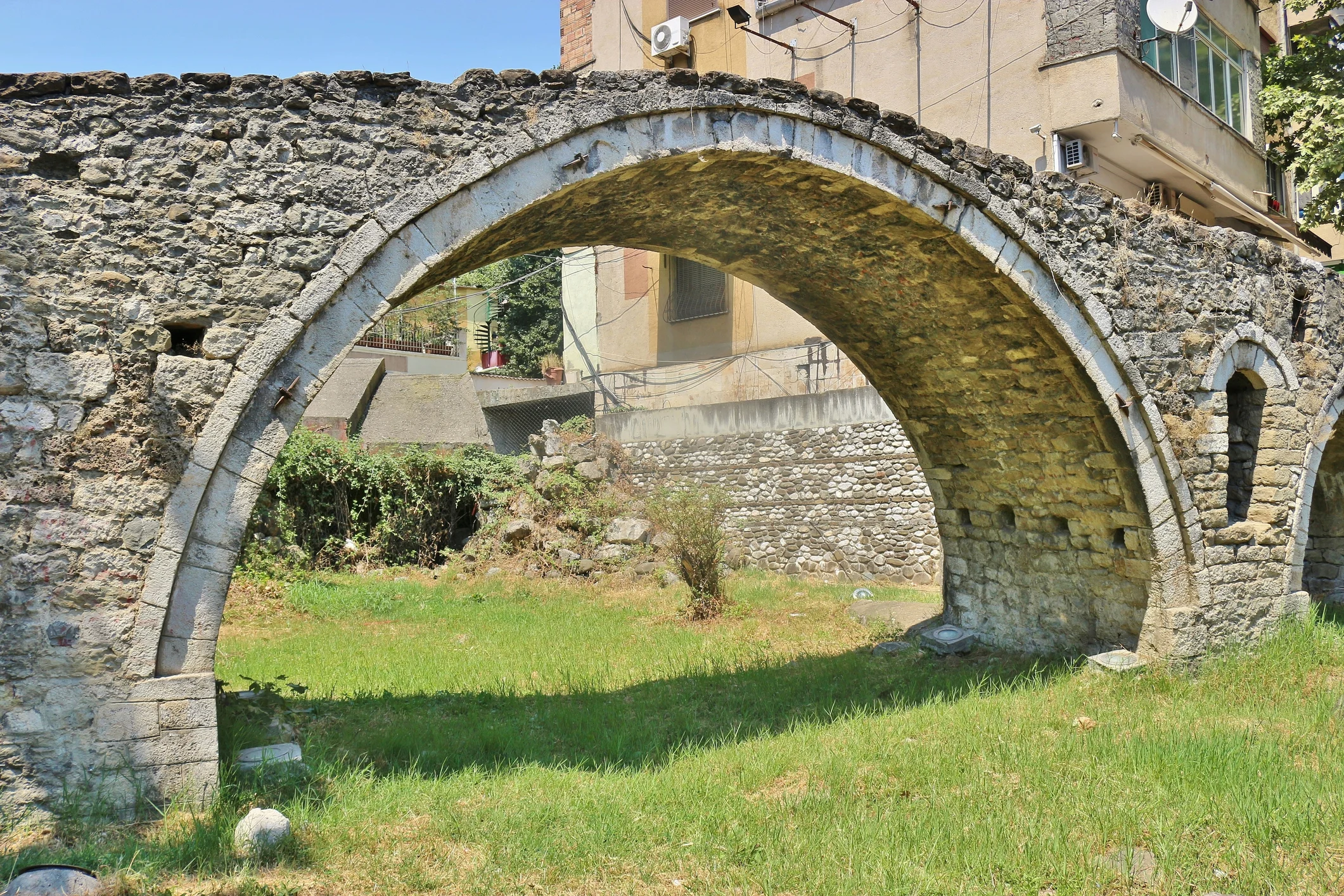
Tanner’s Bridge is a historic Ottoman-era stone bridge located on the outskirts of Tirana, Albania. Built in the 18th century, it once connected the city with surrounding villages and served the local tanners’ community, giving the bridge its name. The well-preserved structure features traditional stone arches and showcases the engineering skills of the time. Surrounded by a scenic, quiet area, Tanner’s Bridge is a charming spot for photography and a glimpse into Tirana’s past before modern urbanization. It is a must-visit for history enthusiasts and anyone interested in Albania’s Ottoman heritage.

Old Bazaar is a lively market area in Tirana, Albania, known for its colorful stalls, fresh produce, and vibrant atmosphere. Recently renovated, it blends traditional charm with modern cafes, restaurants, and shops, making it a social and culinary hotspot. Visitors can explore local fruits, vegetables, spices, and artisanal products while enjoying the bustling energy of the area. Located near the city center, New Bazaar offers an authentic glimpse into Tirana’s daily life, culture, and gastronomy, making it a must-visit destination for food lovers, shoppers, and anyone seeking the city’s lively local vibe.

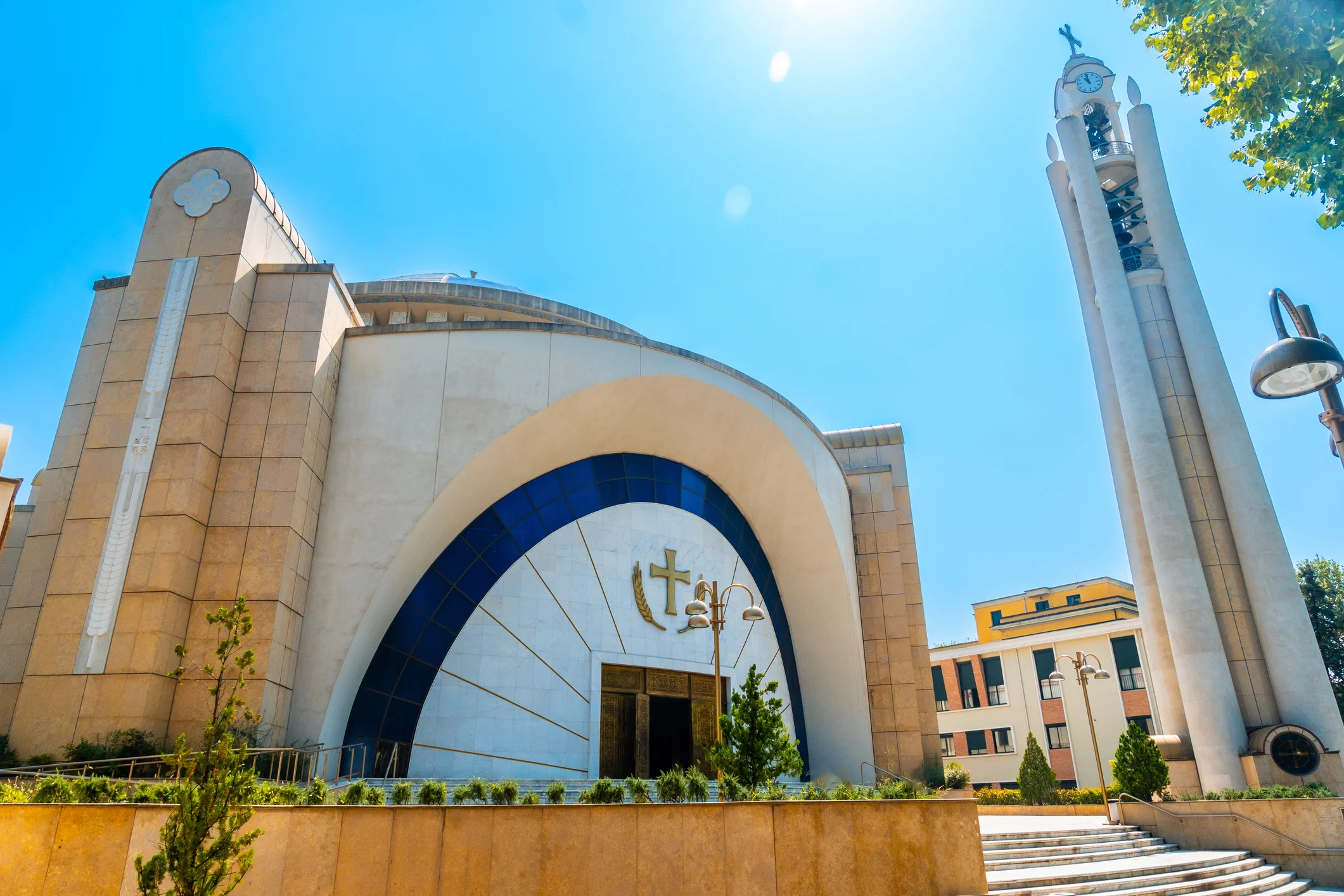
Resurrection of Christ Orthodox Cathedral is a prominent religious landmark in Tirana, Albania, known for its impressive size and striking Byzantine-inspired architecture. Completed in 2012, the cathedral features beautiful domes, intricate frescoes, and a richly decorated interior, making it one of the largest Orthodox churches in the Balkans. It serves as an active place of worship and a center for the Orthodox community. Located near the city center, the cathedral is easily accessible for visitors interested in religious history, architecture, and Albanian culture, offering a serene and visually stunning experience in the heart of Tirana.

Durations

0 – 3 Stunden
Ganztägig (+7 Stunden)

Language

English
Francais
German

Frequently asked questions

This walking tour can be also booked on Guruwalk and Freetour.

Tour's Location

Tirana, Albania

Reviews

0/5
Not Rated
(0 Reviews)
Excellent
0
Very Good
0
Average
0
Poor
0
Terrible
0
0 reviews on this Tour - Showing 1 to 0

Write a review

From: €0.00
0 (0 Reviews)

Owner

holidays

Member Since 2024

Information Contact

Email

info@albaniaturism.com

Website

splendorvoyage.com

Phone

+355 69 940 2470

Explore other options